Login/Create Account


The story of a capital shaped by history, division and unity
Introduction
Berlin, a city that has carried the burden of war and division and then turned into a symbol of unity and democracy, is today the capital of the Federal Republic of Germany and the political and historical centre of the country.
But the question arises: Why was Berlin chosen specifically to be the capital of Germany?
Was it a historical, geographical or political decision? And what was the relationship between West and East Berlin before reunification?
In this article, we tell the full story of how Berlin became the capital and shed light on the historical and constitutional factors that led to its establishment as the seat of German government.
1. Berlin as an old capital – from Prussia to the Empire
1. Berlin as the capital of the Kingdom of Prussia (1701–1871)
In the 18th century, Berlin became the residence of the Kings of Prussia, the strongest of the German states.
The city developed into an influential administrative, military and cultural centre in Central Europe.
2. Berlin as the capital of the German Empire (1871–1918)
After the unification of Germany under Bismarck in 1871, Berlin was chosen as the capital of the German Empire.
Its political and cultural status was consolidated, and it became the seat of the ministries and of the parliament (the Reichstag).
2. Division after the Second World War
After Germany’s defeat in the Second World War in 1945, the country was divided into West Germany (FRG/BRD) and East Germany (GDR/DDR), and Berlin itself was also divided into:
-
West Berlin: under the control of the United States, the United Kingdom and France.
-
East Berlin: under the control of the Soviet Union and made the capital of East Germany.
1950–1990: Two capitals for two states
-
West Germany chose the city of Bonn as a provisional capital.
-
East Germany declared East Berlin its capital.
Berlin remained divided and surrounded by the Wall; the city became the clearest symbol of the Cold War.
3. The fall of the Wall and German reunification – the return of the historical capital
In 1989, the Berlin Wall fell, and with it the political division collapsed.
Then in 1990, Germany was officially reunified, and the debate began:
Why Berlin and not Bonn?
-
The symbolic value of Berlin: The city that had been divided became a living symbol of German unity.
-
Historically: It had been the capital of Imperial Germany and of the German Republic before the war.
-
Geographical location: It is situated in the heart of the country, relatively close to both eastern and western regions.
-
Political and popular will: The majority of politicians and citizens regarded Berlin as the true emblem of a unified Germany.
The decisive parliamentary vote – 1991
On 20 June 1991, the Bundestag voted on moving the capital from Bonn to Berlin.
The decision was passed by a narrow majority (338 votes to 320).
The full transition took until 1999, when the government, parliament and all federal institutions moved to Berlin.
4. Did Bonn lose its importance entirely?
No. Bonn was transformed into what is known as the “Federal City of Bonn” (Bundesstadt Bonn), and today it hosts:
-
Some federal ministries and federal offices.
-
International institutions and non-governmental organisations.
-
An important cultural and academic centre in western Germany.
5. Berlin today – more than just a political capital
-
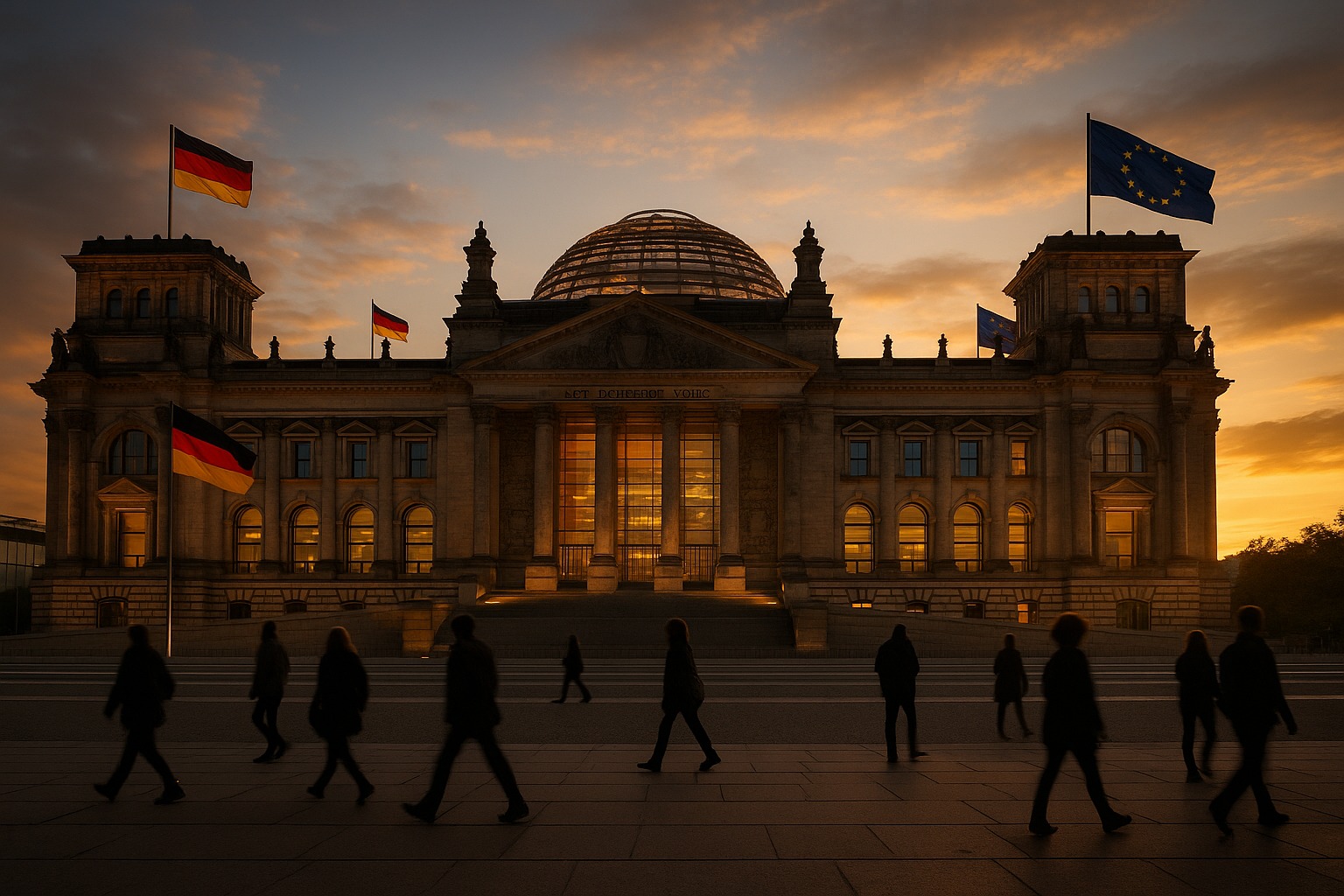
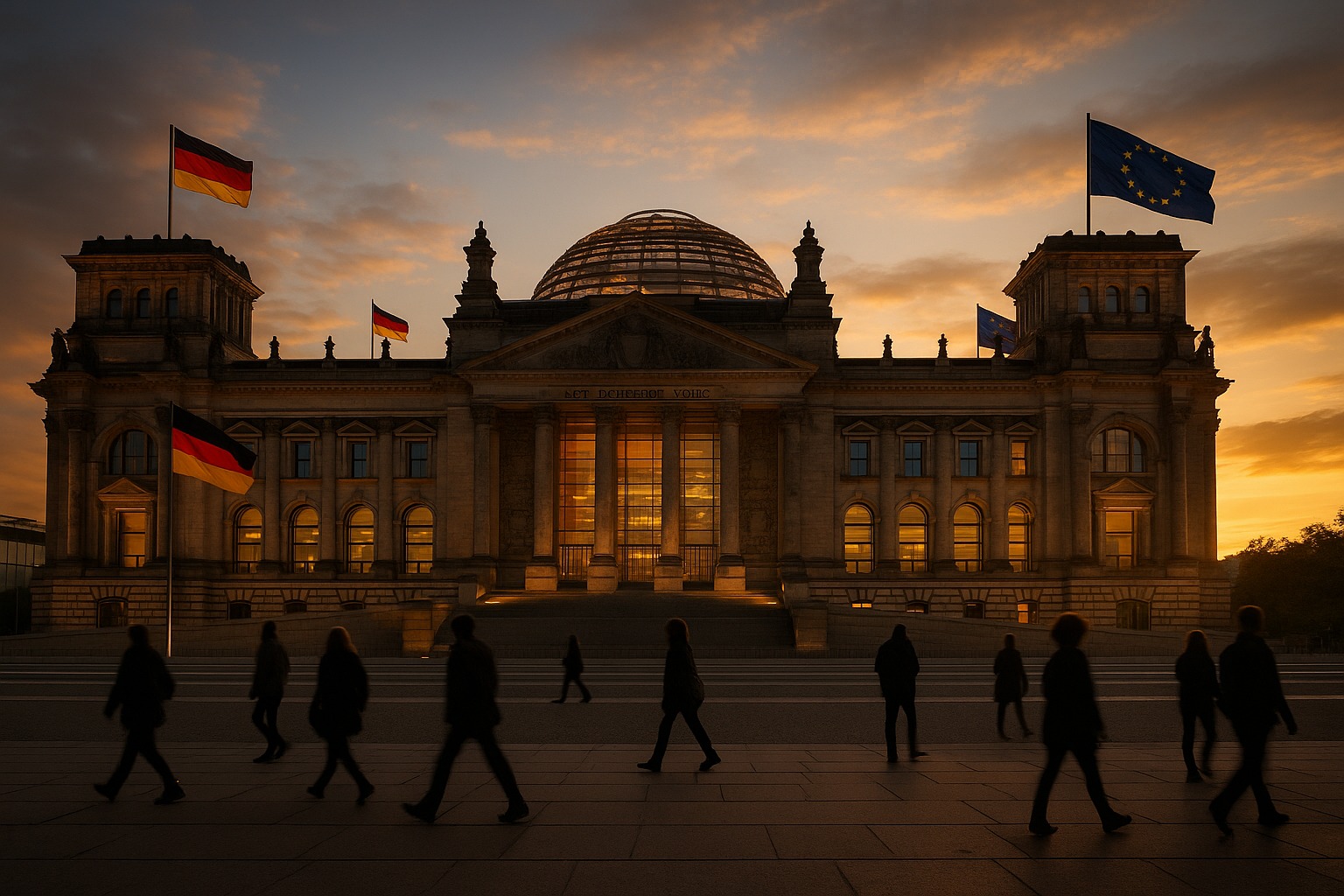
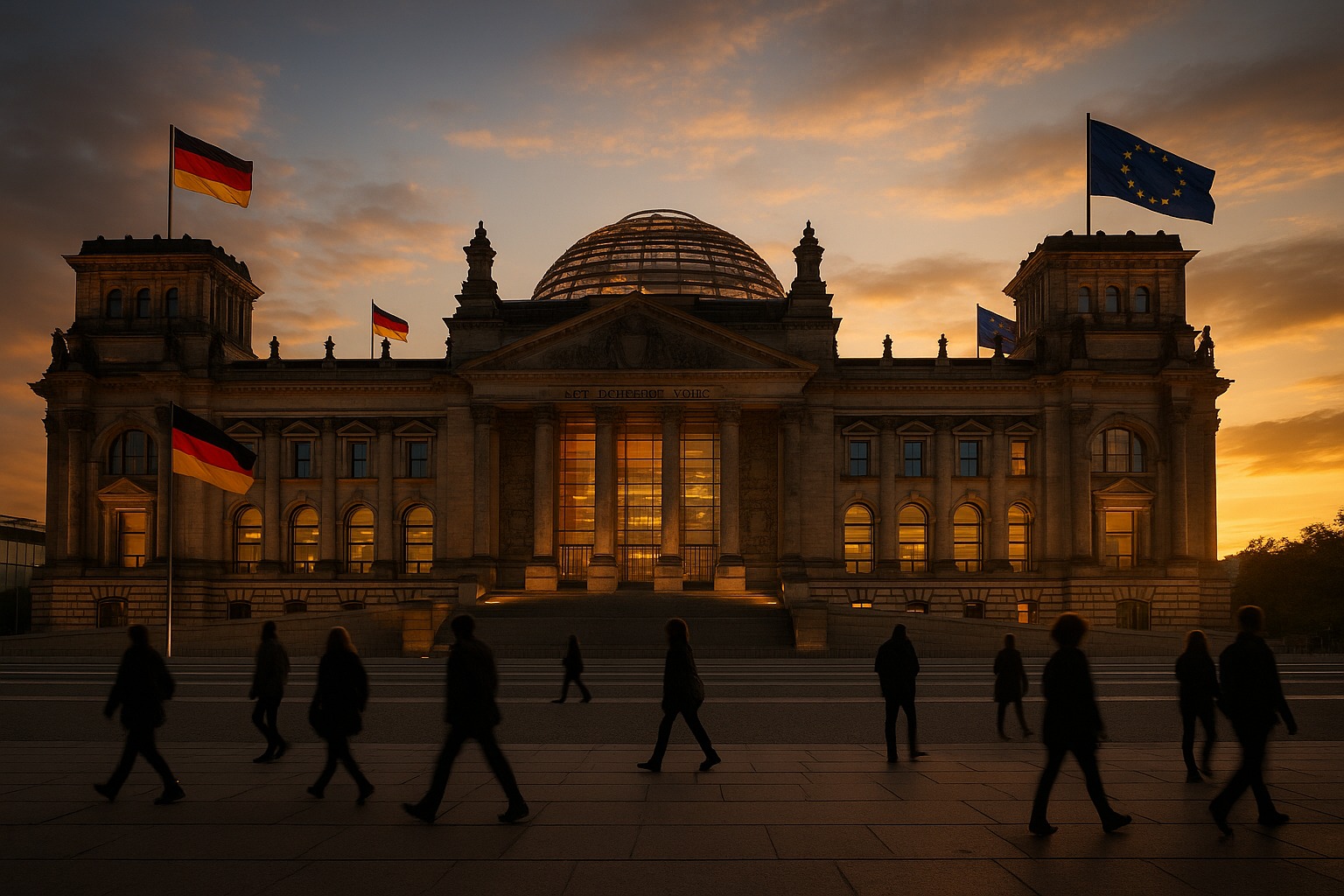
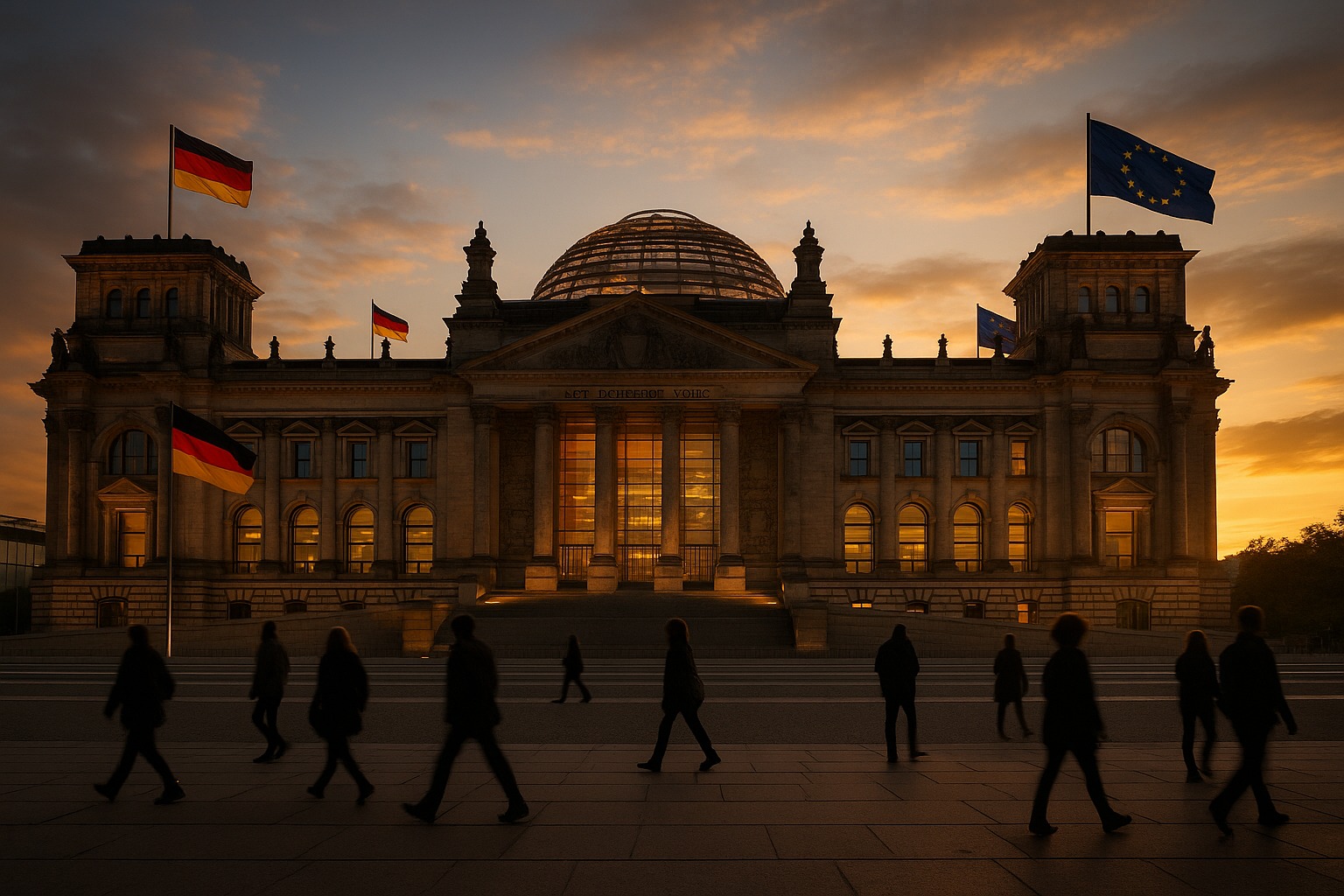
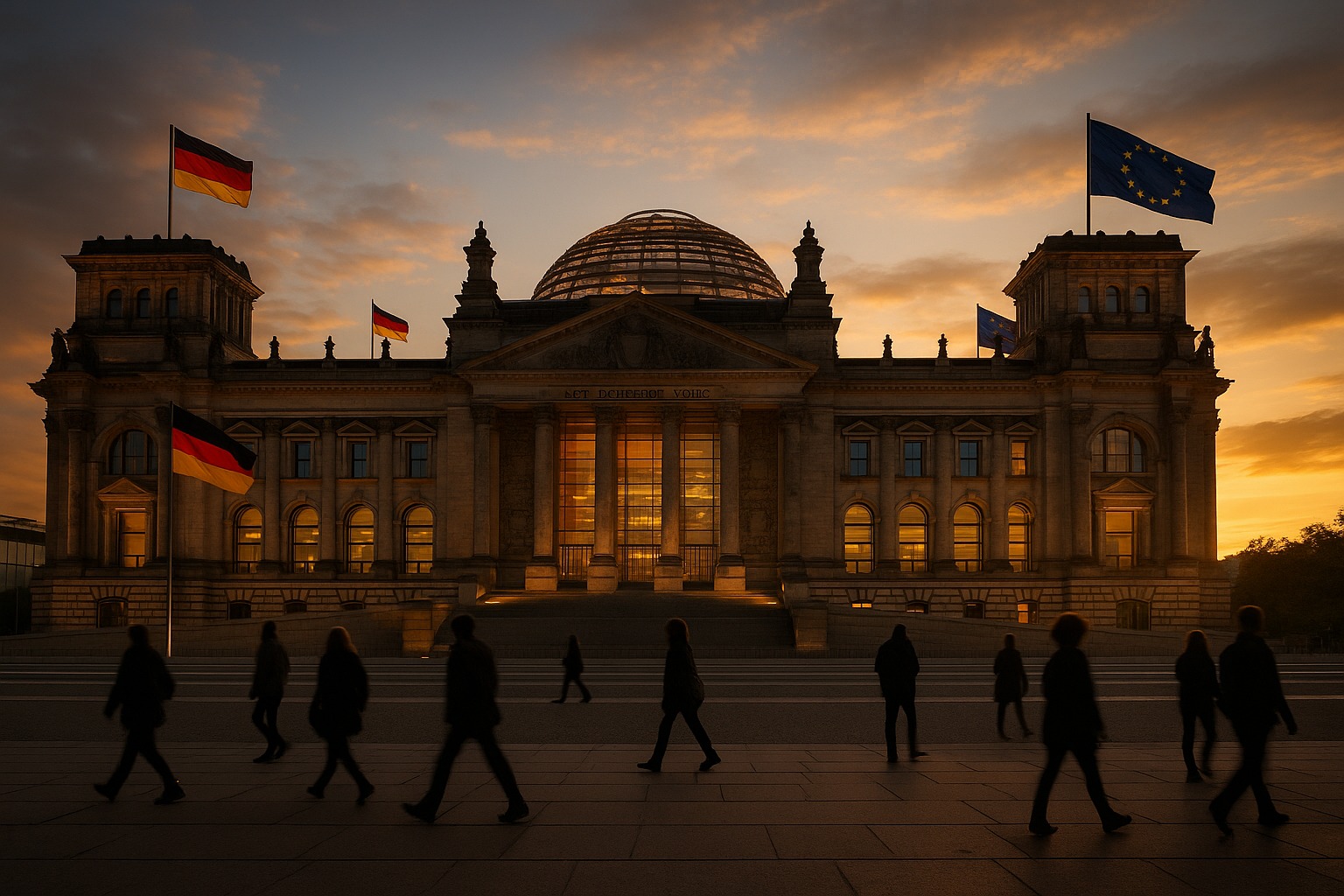
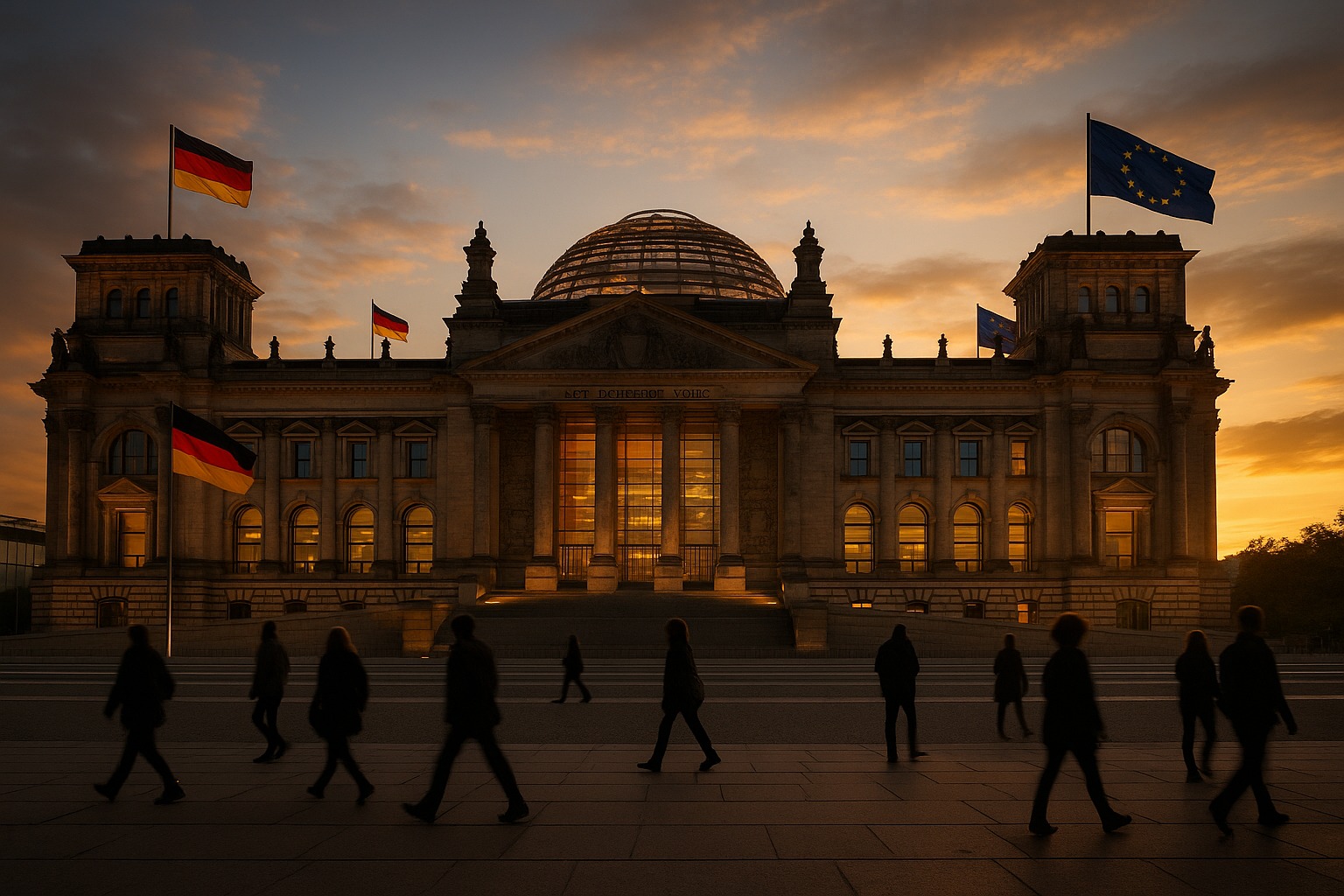
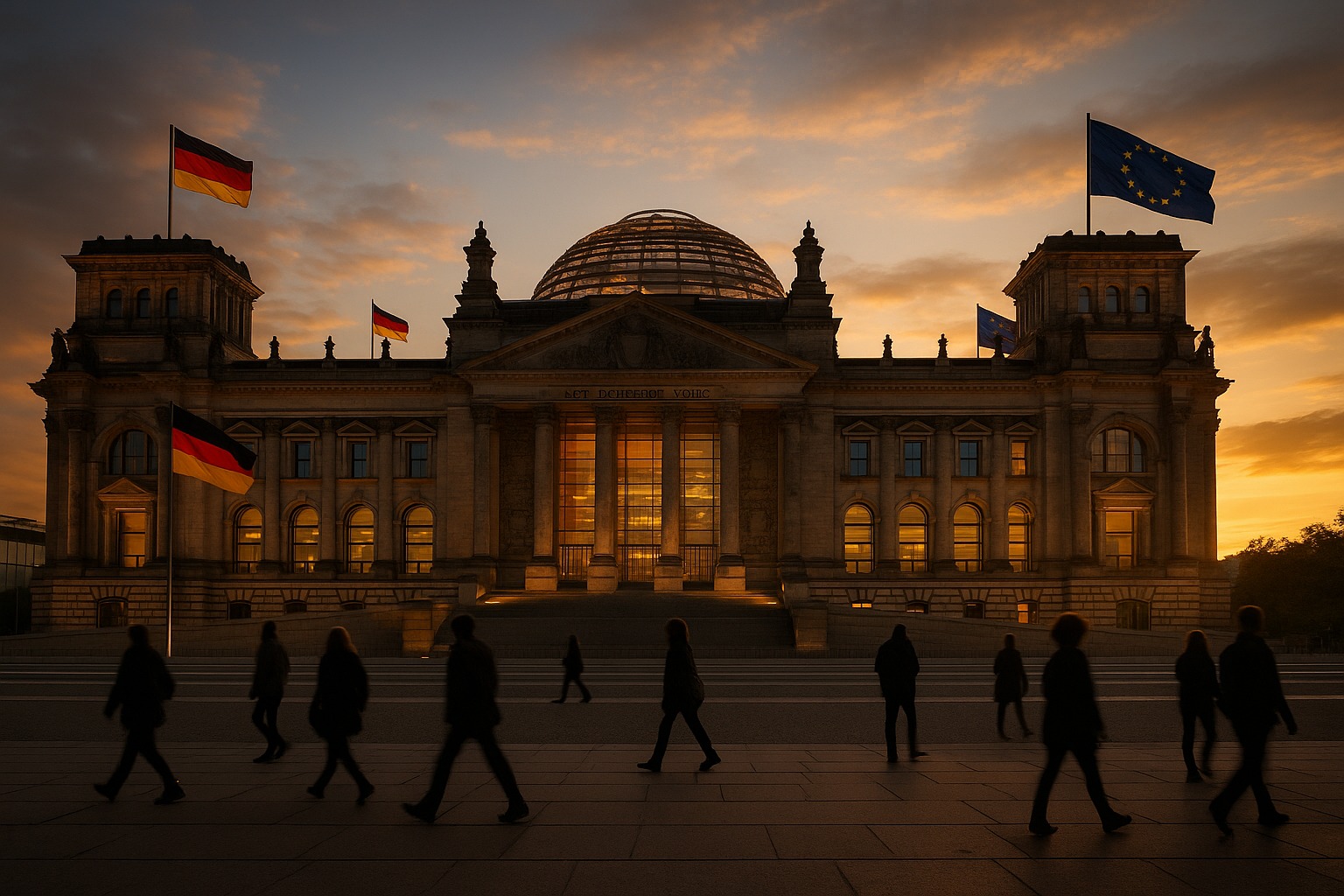
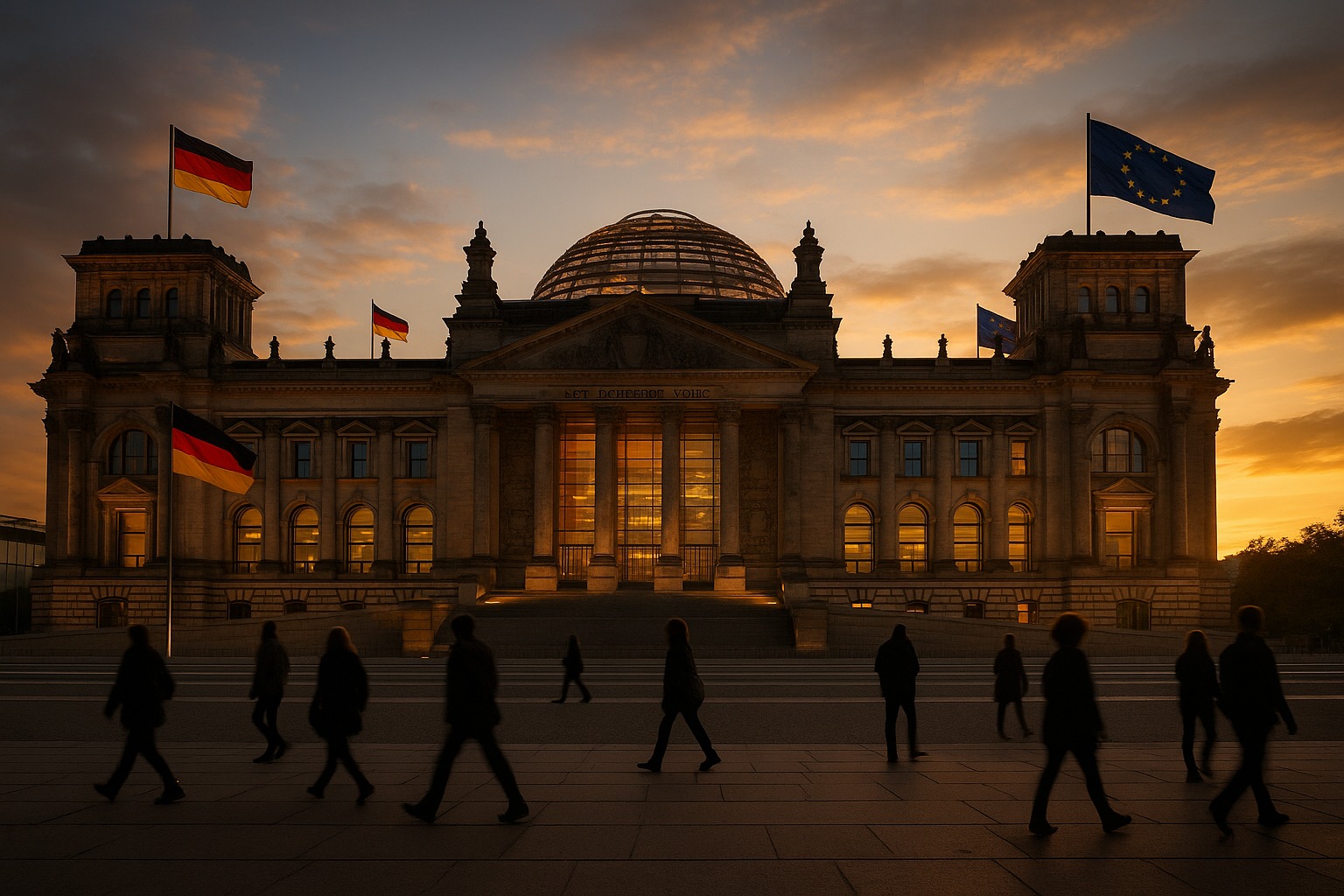
The Reichstag: seat of the German Bundestag (parliament).
-
Bellevue Palace (Schloss Bellevue): official residence of the Federal President.
-
The Federal Chancellery (Bundeskanzleramt): the centre of executive decision-making.
The city is also home to embassies, decision-making centres, international conferences and major media headquarters.
In short: Berlin is not only the seat of government, but has become the cultural, artistic and political heart of Germany.
Conclusion
Choosing Berlin as the capital of Germany was not a mere administrative step, but the culmination of a long history of division and unity, of turmoil and new stability.
It is the city that has witnessed both the greatest victories and the deepest wounds in the nation’s history – and today it embodies a modern, strong democracy that pulses from the heart of a city that has redefined what it means to be a capital.
* The writing and editorial team of the website strives to provide accurate information based on thorough research and consultation of multiple sources. Nevertheless, errors may occur or information may be included that is not fully verified. Therefore, the information presented in these articles should be regarded as an initial point of reference, and you should always consult the relevant authorities for definitive and legally binding information.