Login/Create Account


Steps of the Naturalization Process at the Staatsangehörigkeitsbehörde – Step by Step in Germany
The process of obtaining German citizenship consists of several official stages carried out by the local citizenship offices (Staatsangehörigkeitsbehörde). Below is a detailed explanation of each step in this procedure:
1. Preparation and collection of documents
-
Check whether you meet the requirements: duration of legal residence, language level, financial independence, and clean criminal record.
-
Collect the required documents: passport, residence permit, birth certificate, language certificates, proof of residence (registration certificates), employment contract or proof of income, integration certificate, and a police clearance certificate (certificate of good conduct).
-
Have documents that are not in German translated by a certified or officially recognized translator.
2. Submitting the application
-
Submit a complete naturalization application to the competent citizenship office responsible for your place of residence.
-
Fill in the official forms and provide all necessary documents.
-
Pay the processing fee for the application (usually between 255 and 500 euros).
3. Examination of the application and interview
-
The office examines the application and the documents to verify that all requirements for naturalization are fulfilled.
-
The applicant may be invited to a personal interview in order to explain his or her motives and personal situation in more detail.
-
Take the naturalization test (“Leben in Deutschland”) if you are not exempt.
4. Passing the naturalization test
-
Successfully pass the test covering legal, social, and historical knowledge about Germany.
-
In some cases, the test can be replaced by a recognized educational qualification or another document that sufficiently proves the required knowledge.
5. Decision on the application
-
After completing the examination and passing the test, the office issues a decision to approve or reject the application.
-
This stage may take several months, depending on the individual case and the complexity of the application.
6. Receiving the official naturalization decision
-
If the application is approved, the applicant receives the naturalization certificate (Einbürgerungsurkunde).
-
The applicant may be required to swear an oath to the constitution or sign a declaration of commitment to the democratic order.
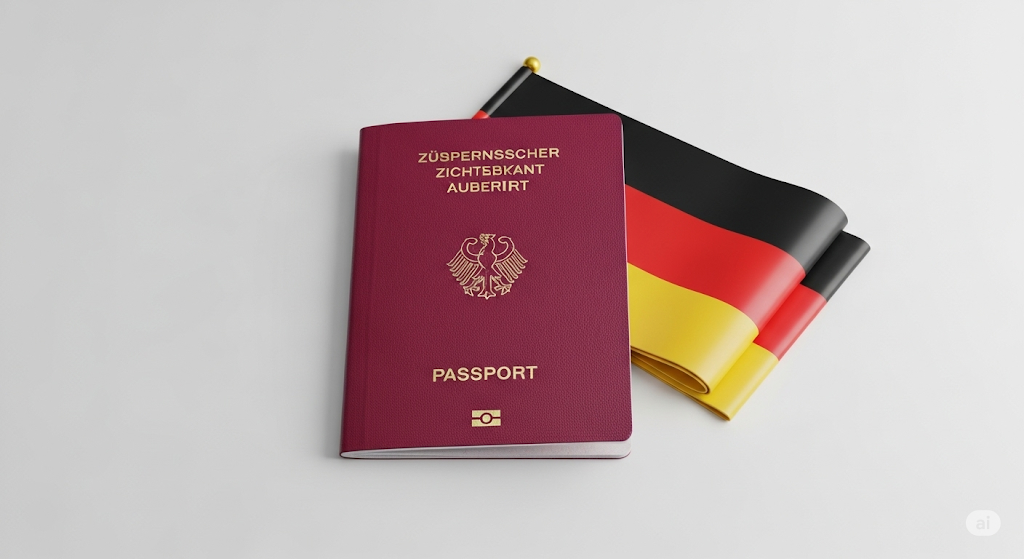
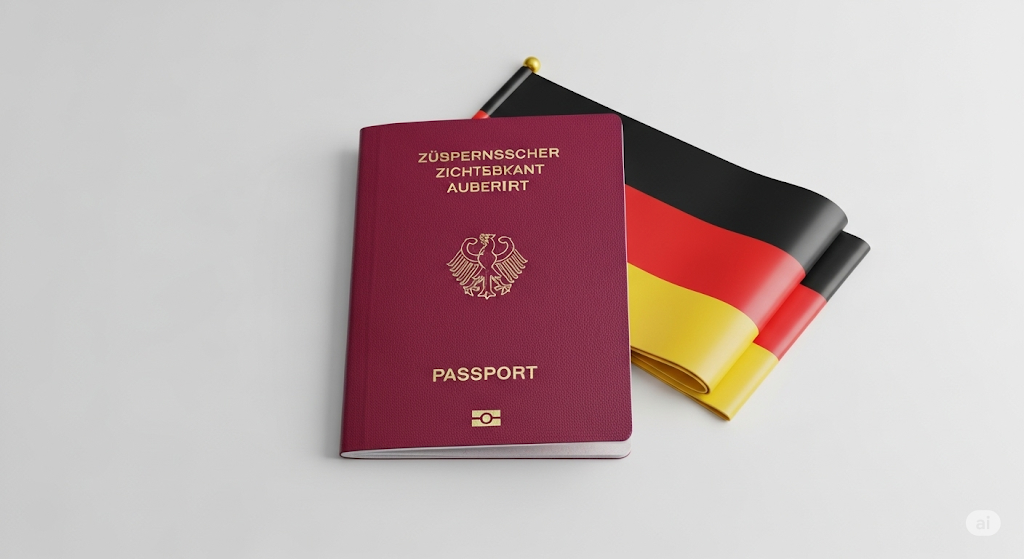
7. Registration and obtaining a passport
-
After taking the oath, the applicant officially becomes a German citizen.
-
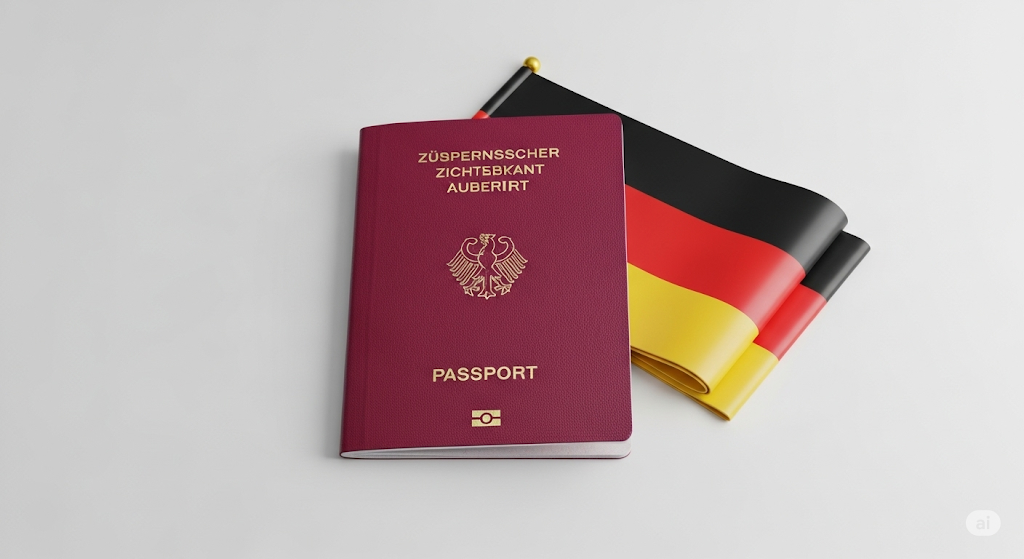
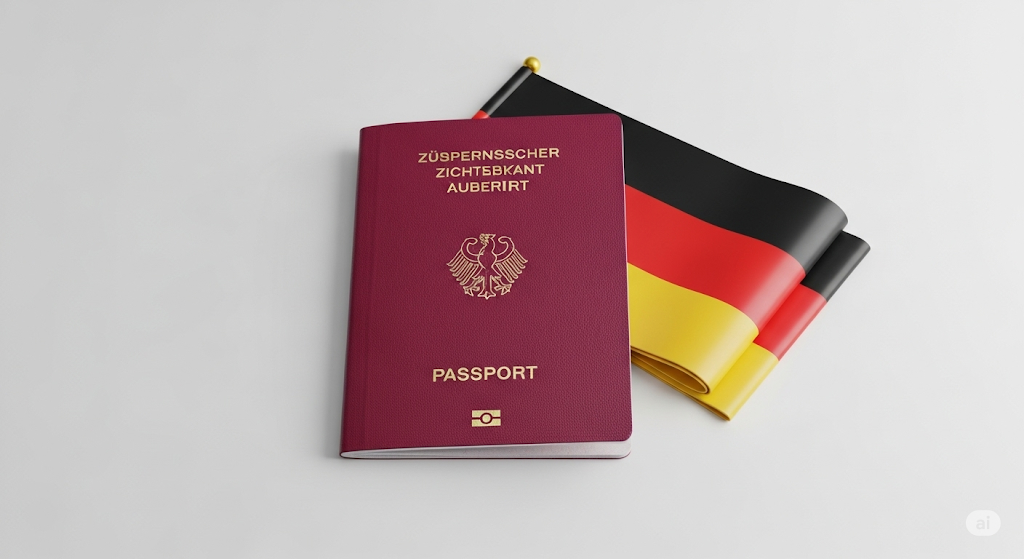
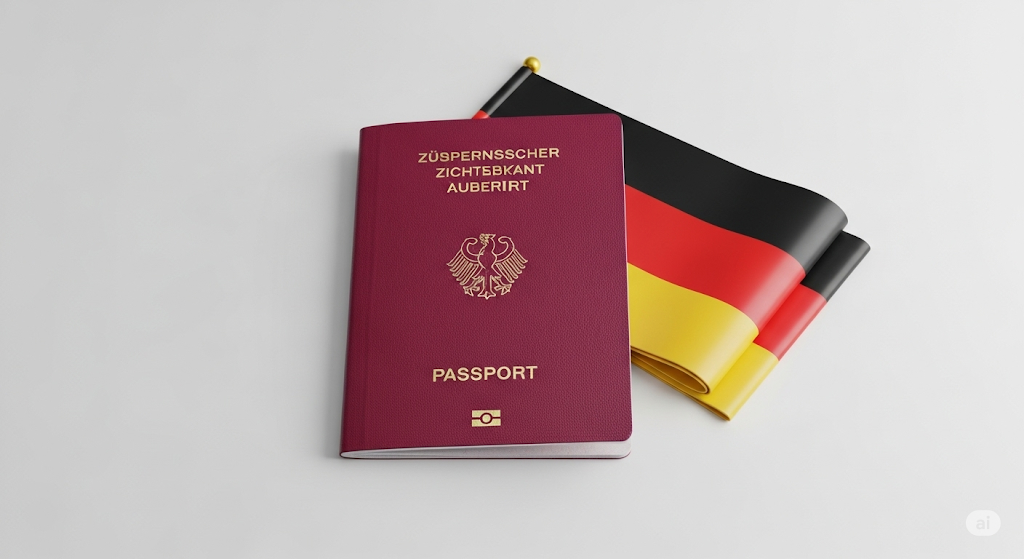
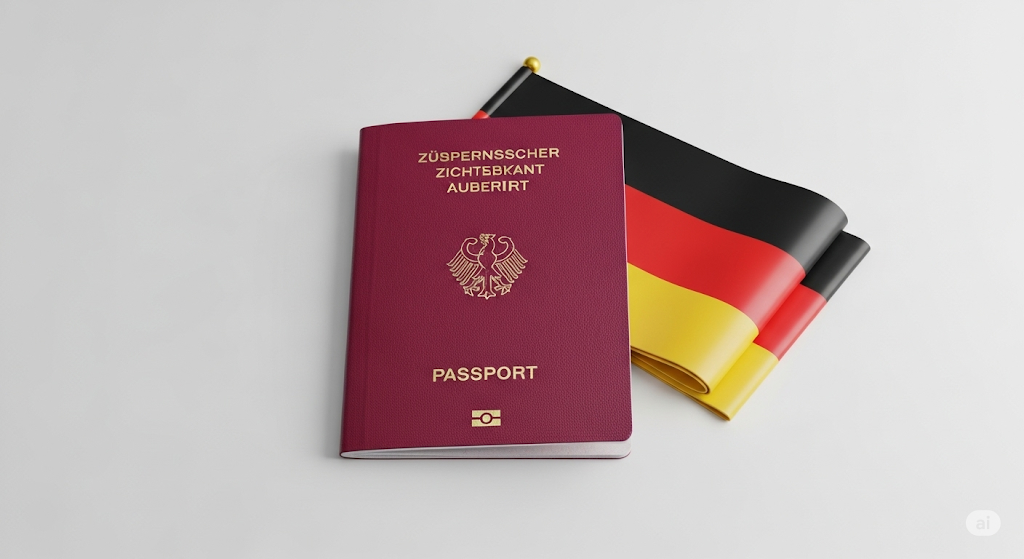
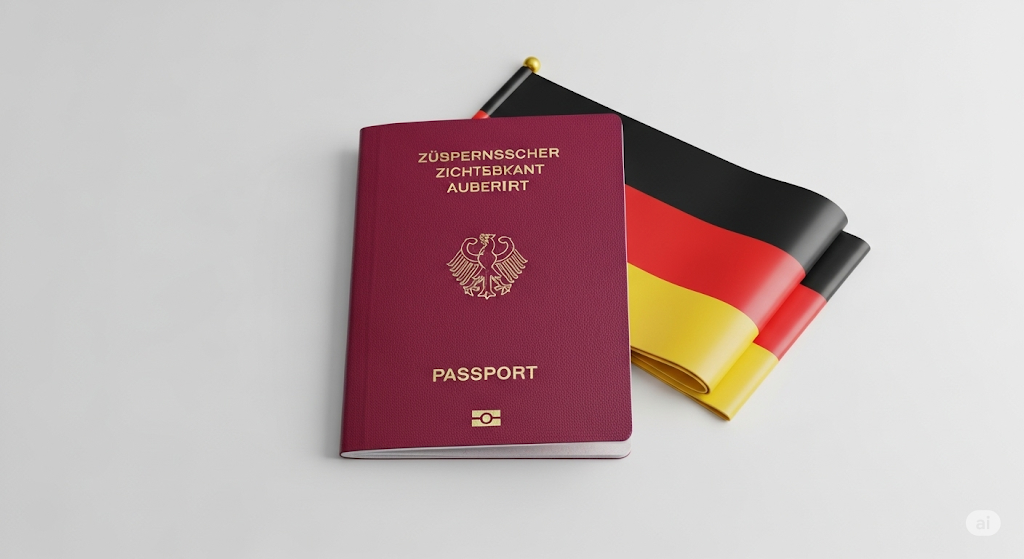
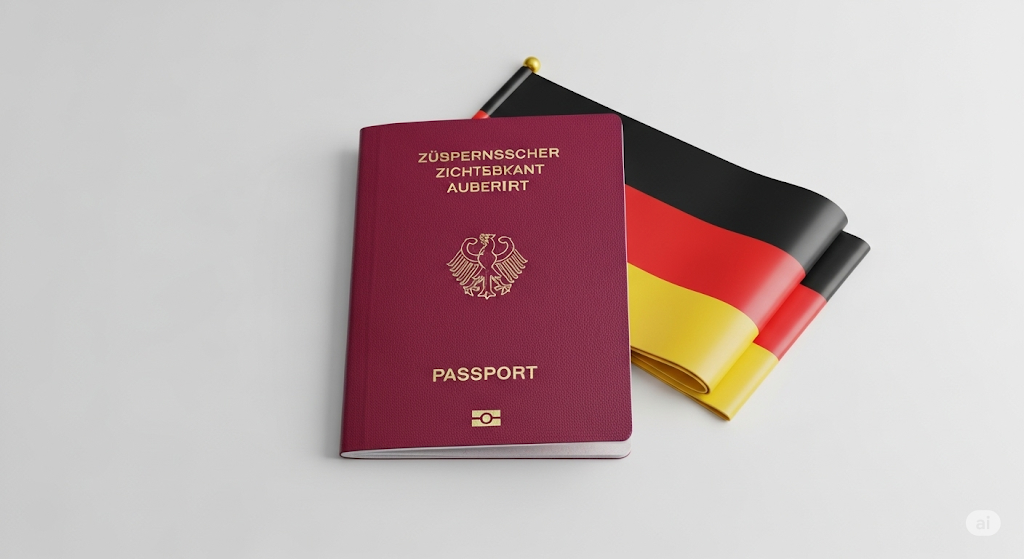
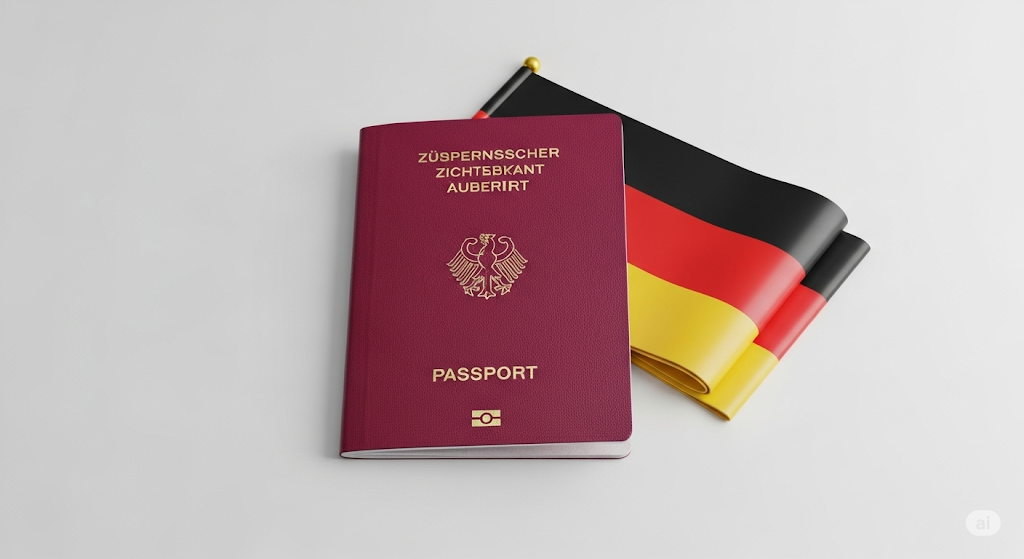
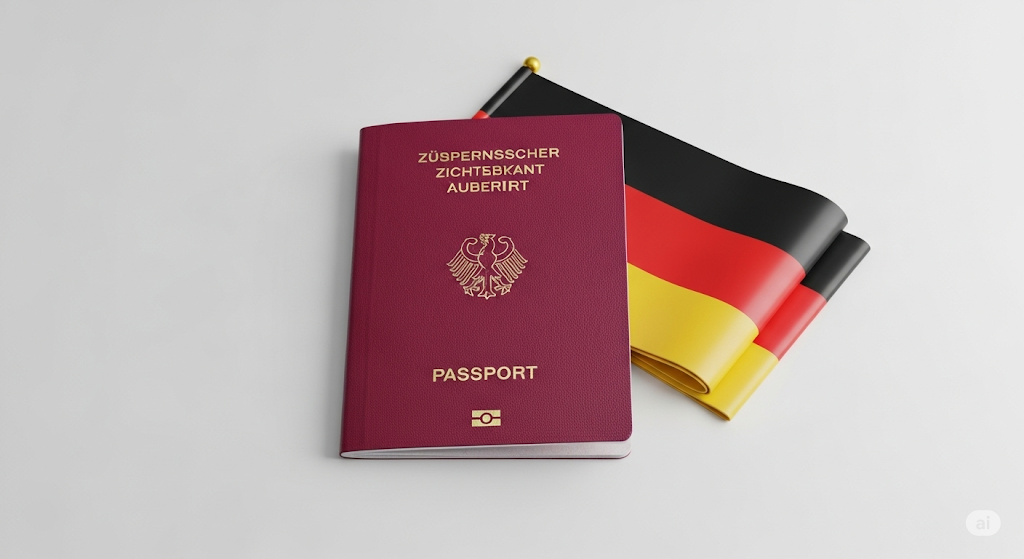
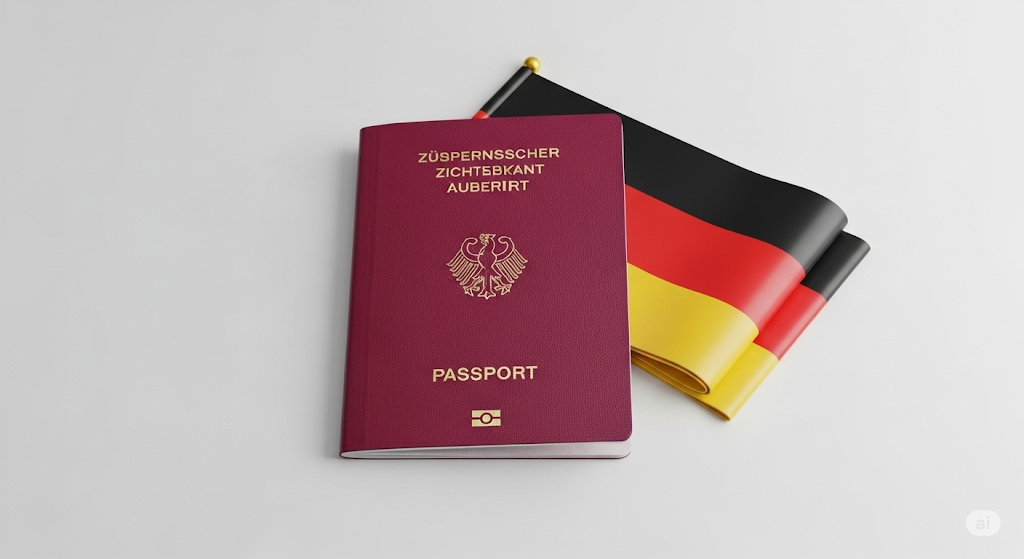
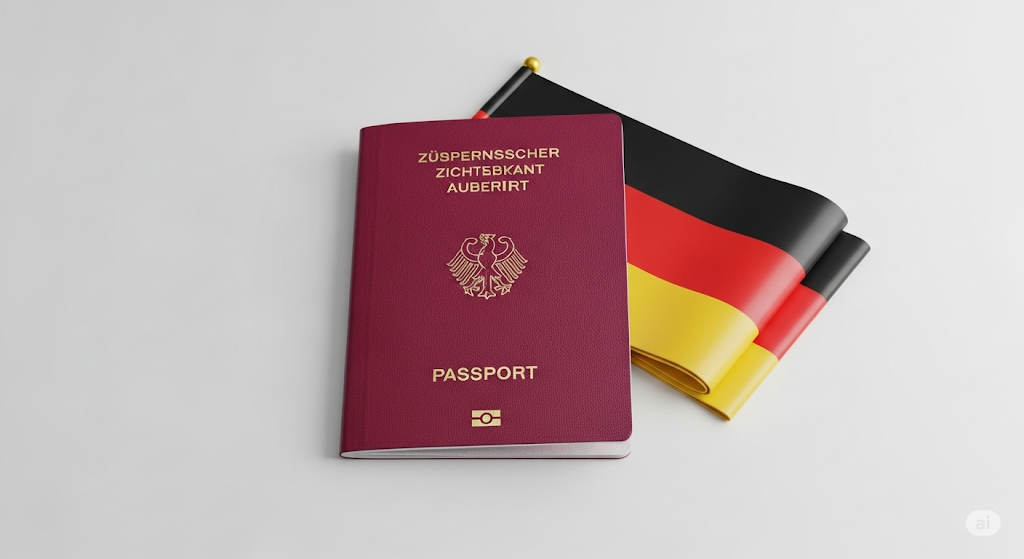
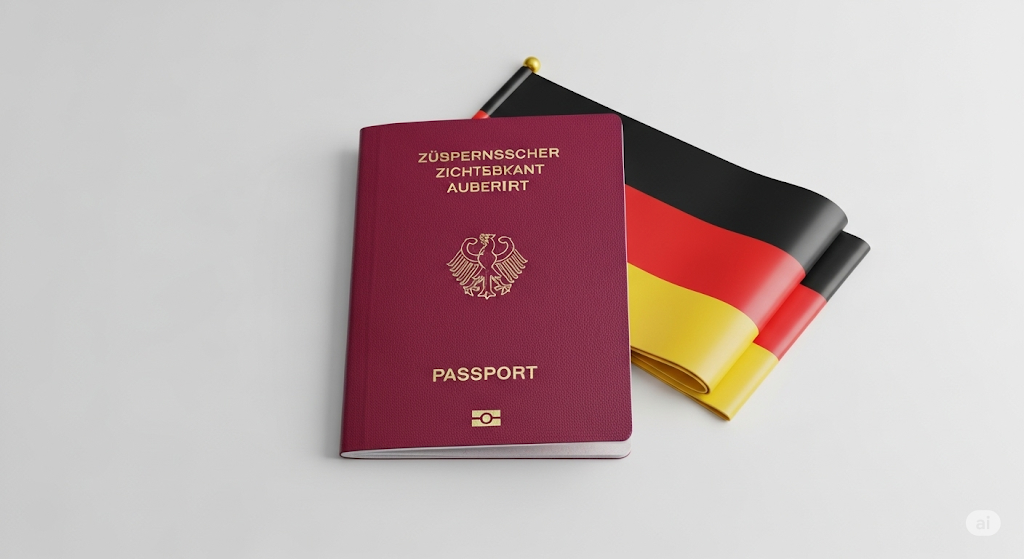
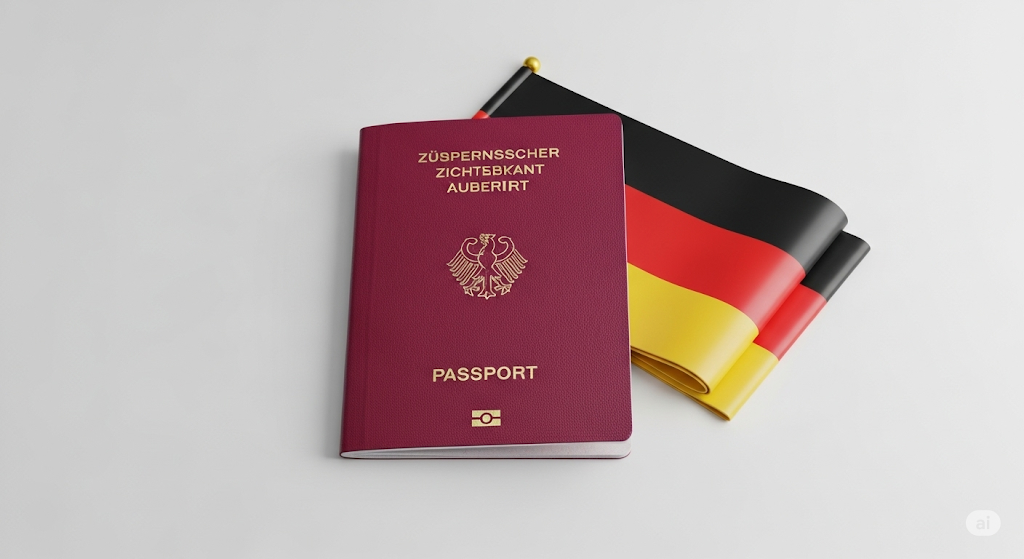
He or she can then apply for a German passport and ID card.
-
The previous passport or citizenship documents may have to be surrendered, depending on the rules on dual citizenship and the legal requirements.
Important tips
-
Regularly follow up on the status of your application with the citizenship office.
-
Keep copies of all documents and correspondence.
-
Seek legal or professional advice if necessary.
-
Make sure that you meet all requirements before applying in order to reduce the risk of rejection.
Conclusion
The naturalization process in Germany is structured and transparent, but it requires careful preparation and strict compliance with the legal requirements. From collecting documents, submitting the application, and passing the tests, to receiving the naturalization certificate and taking the oath – each step is essential to successfully acquiring German citizenship.
The editorial and author team of this website strives to provide accurate information through in-depth research and by consulting multiple sources when preparing articles. However, errors may occur or some information may not be fully verified. Therefore, please treat the information contained in the articles as an initial point of reference and always contact the competent authorities to obtain final and officially confirmed information.