Login/Create Account


Early German Naturalization (Frühzeitige Einbürgerung): Possible After Only 6 Years in Germany
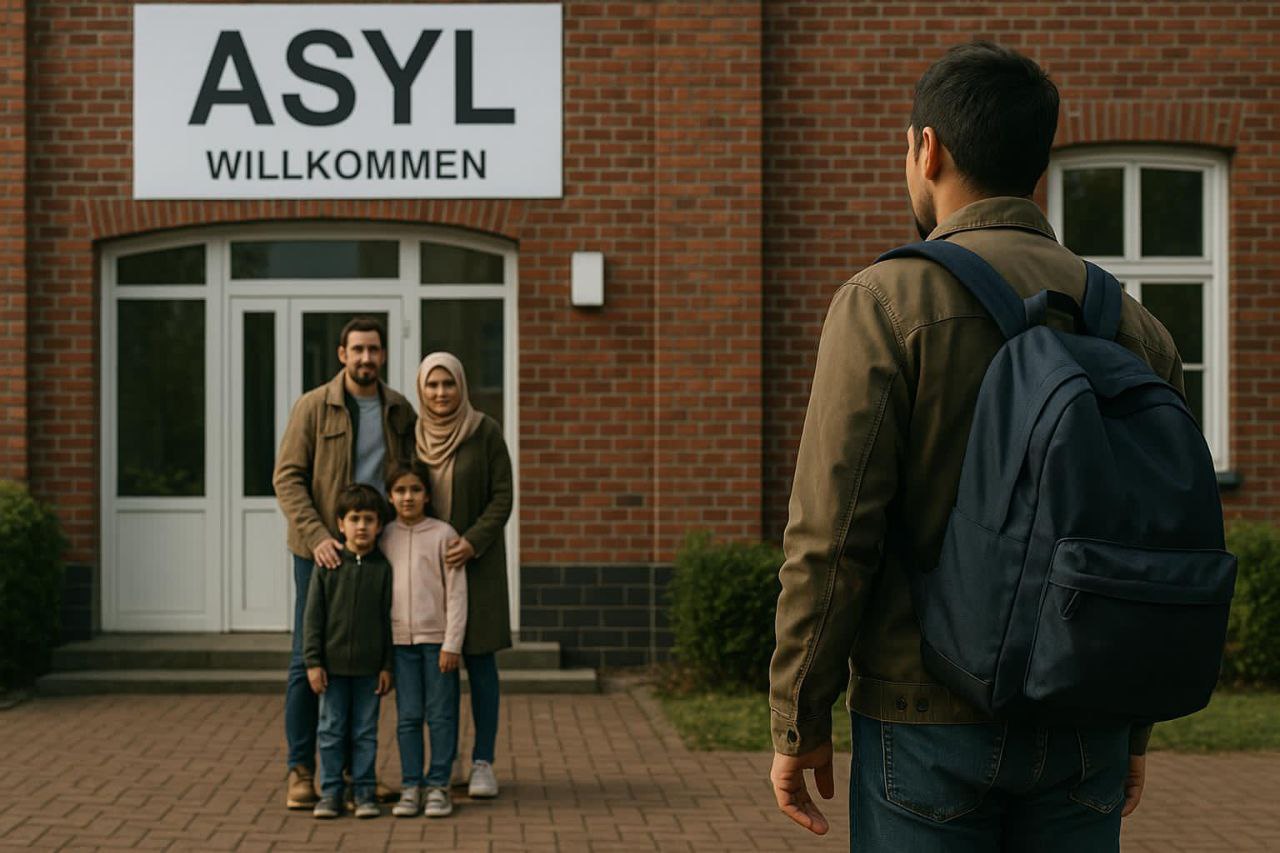
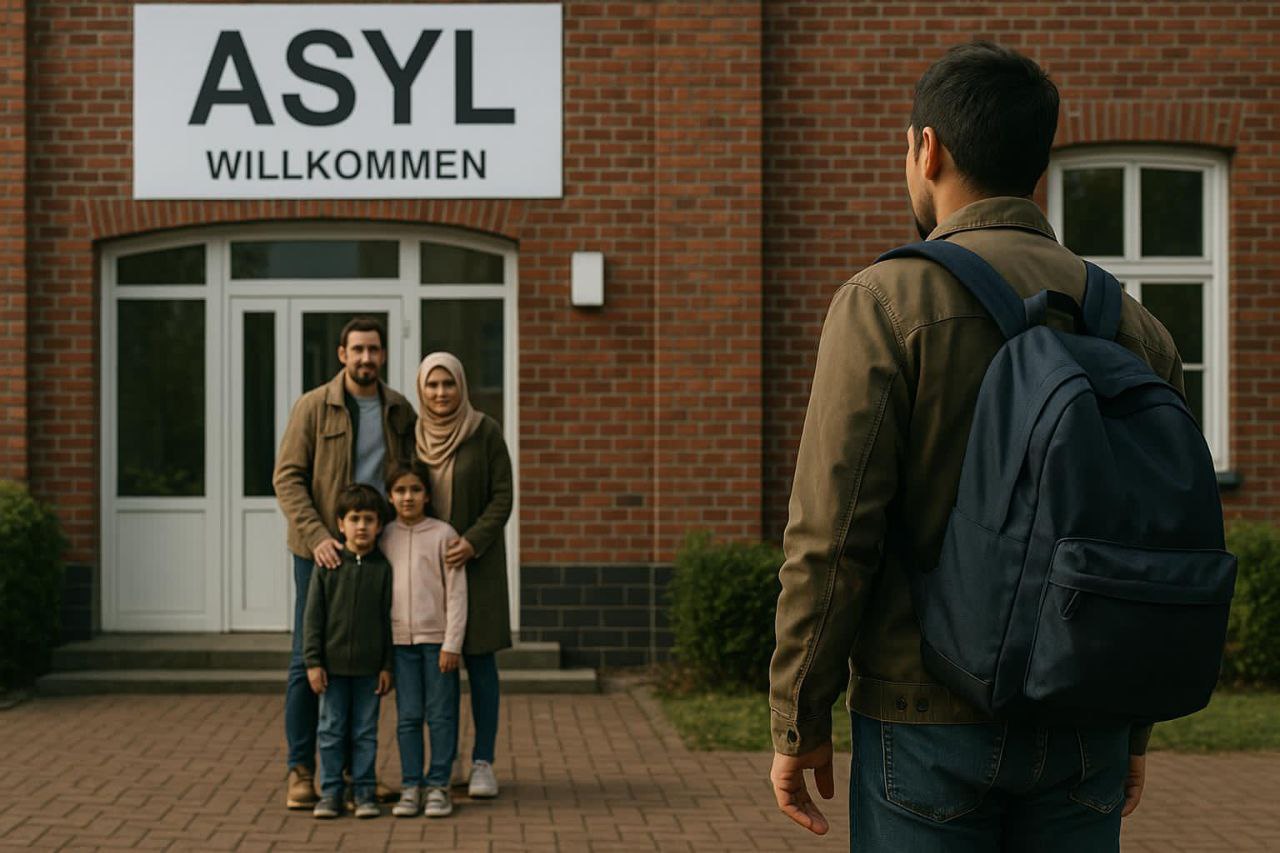
A refugee in Germany may be eligible to apply for early German naturalization (Frühzeitige Einbürgerung) after only 6 years of continuous lawful residence (instead of 8 years) — if they can prove exceptional integration into German society.
Here are the requirements in detail:
Basic requirements for early naturalization after 6 years:
• At least 6 years of continuous lawful residence
The period starts from the date you were granted a residence permit (Aufenthaltstitel) — not from the date you submitted the asylum application.
• Proof of strong integration (besondere Integrationsleistungen):
This may include:
– German language skills above the minimum requirement (usually B2 or higher)
– Active participation in employment, vocational training, or university studies
– Volunteering or community involvement (e.g., helping in associations or civil-society organizations)
– Clear achievements in professional or school integration
• Ability to support yourself without state benefits
You should not depend on Jobcenter or Sozialamt benefits.
• No serious criminal record
No significant criminal convictions are permitted.
• Passing the naturalization test (Einbürgerungstest)
Or completing secondary school in Germany (which may exempt you from the test).
• Recognition of the free democratic basic order
Signing a declaration of loyalty to the German constitution.
Important notes for refugees:
• Whether you have asylum (Asyl) or refugee status under the Geneva Convention (Flüchtlingsstatus), you may apply after 6 years if you meet the exceptional integration requirements.
• Giving up your original nationality is not required if your home country does not allow forced renunciation (such as Syria, Iran, Afghanistan).
Key documents (most important):
• A valid residence permit (Aufenthaltstitel)
• A German language certificate at B2 level or higher
• Proof of sufficient income (e.g., employment contract, payslips)
• Proof of integration course completion or the naturalization test
• Evidence of volunteering (if available)
Is approval guaranteed?
No. Even if you meet the requirements, the decision remains discretionary, so it is important to submit a strong file that clearly shows your level of integration with solid evidence.
Conclusion:
If you are a refugee in Germany, have completed 6 years of lawful residence, and can demonstrate good German language skills (B2 or higher) along with active integration into work and society, you have a real chance to obtain German citizenship earlier than others.
Prepare your file carefully, and seek support from a lawyer or specialized organizations such as Diakonie or Pro Asyl if needed — because every step toward citizenship is a step toward a more stable and freer life.
ـ The site’s writers and editors strive to provide accurate information through extensive research and multiple sources. However, errors may occur or some information may be unconfirmed. Please treat the content as initial guidance and always consult the competent authorities for verified information.