

 Login/Create Account


Your Guide to Using the Tram (Straßenbahn) in Germany’s Public Transport
The tram (Straßenbahn) is a core and much-loved part of Germany’s public transport network. It combines comfort, frequent service, and easy access, making it an excellent way to get around both large and mid-sized cities. In this guide, you’ll find everything you need for a smooth and enjoyable journey.
What is a tram?
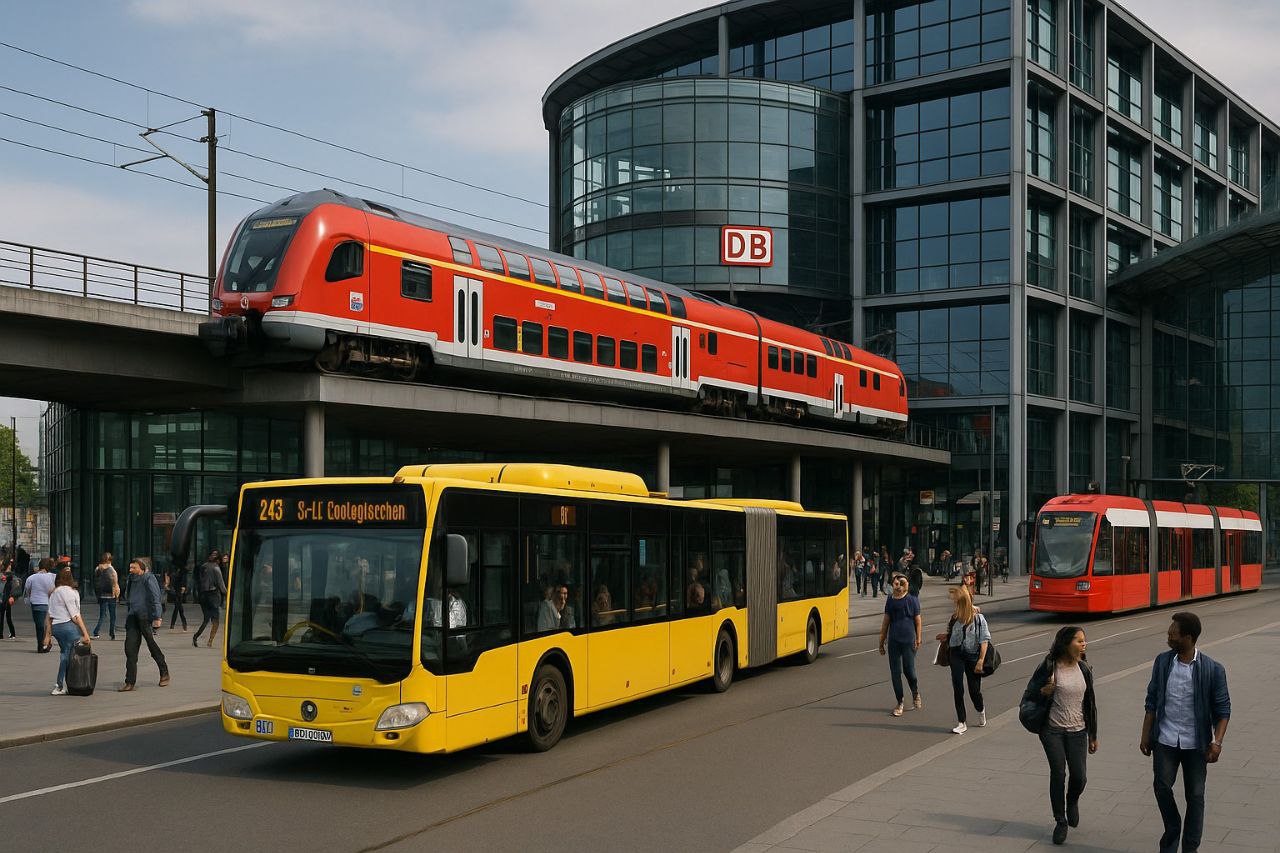
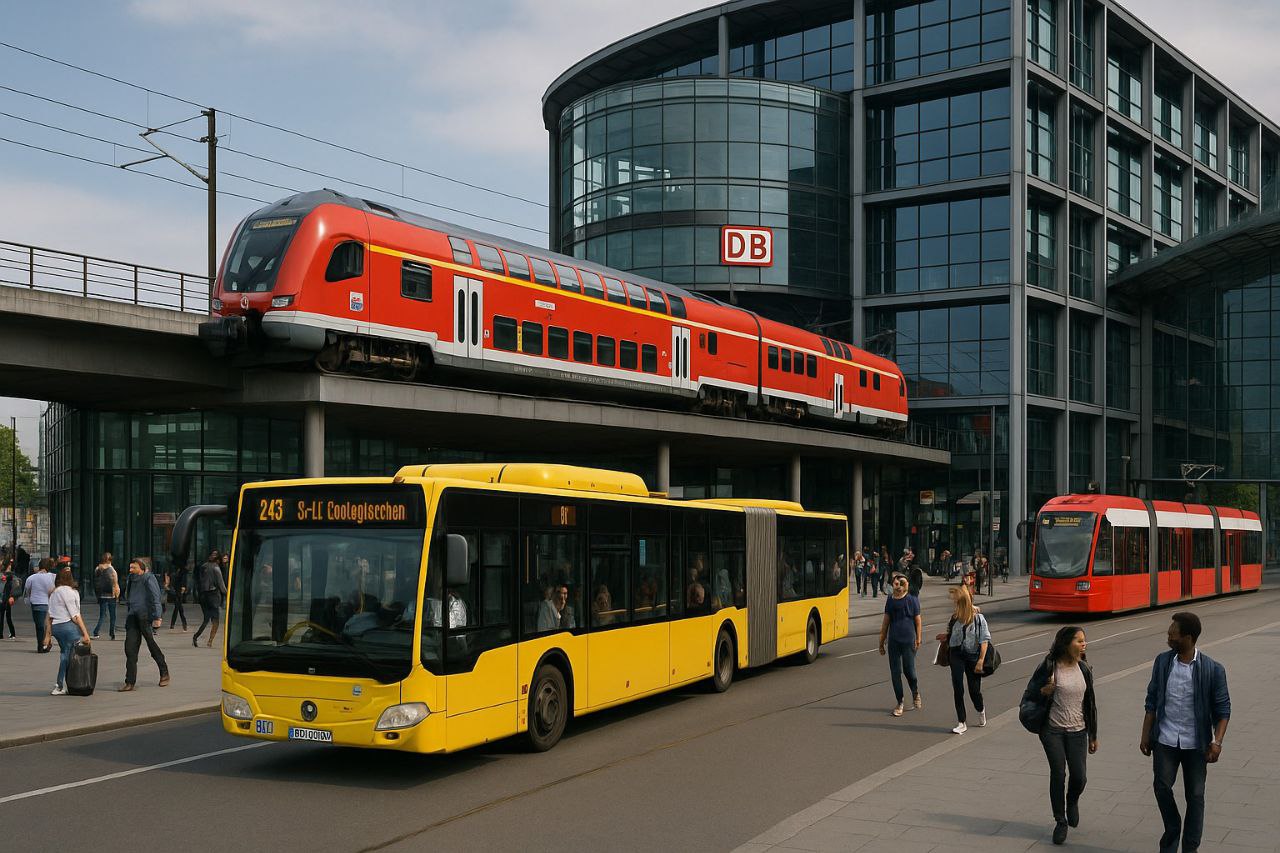
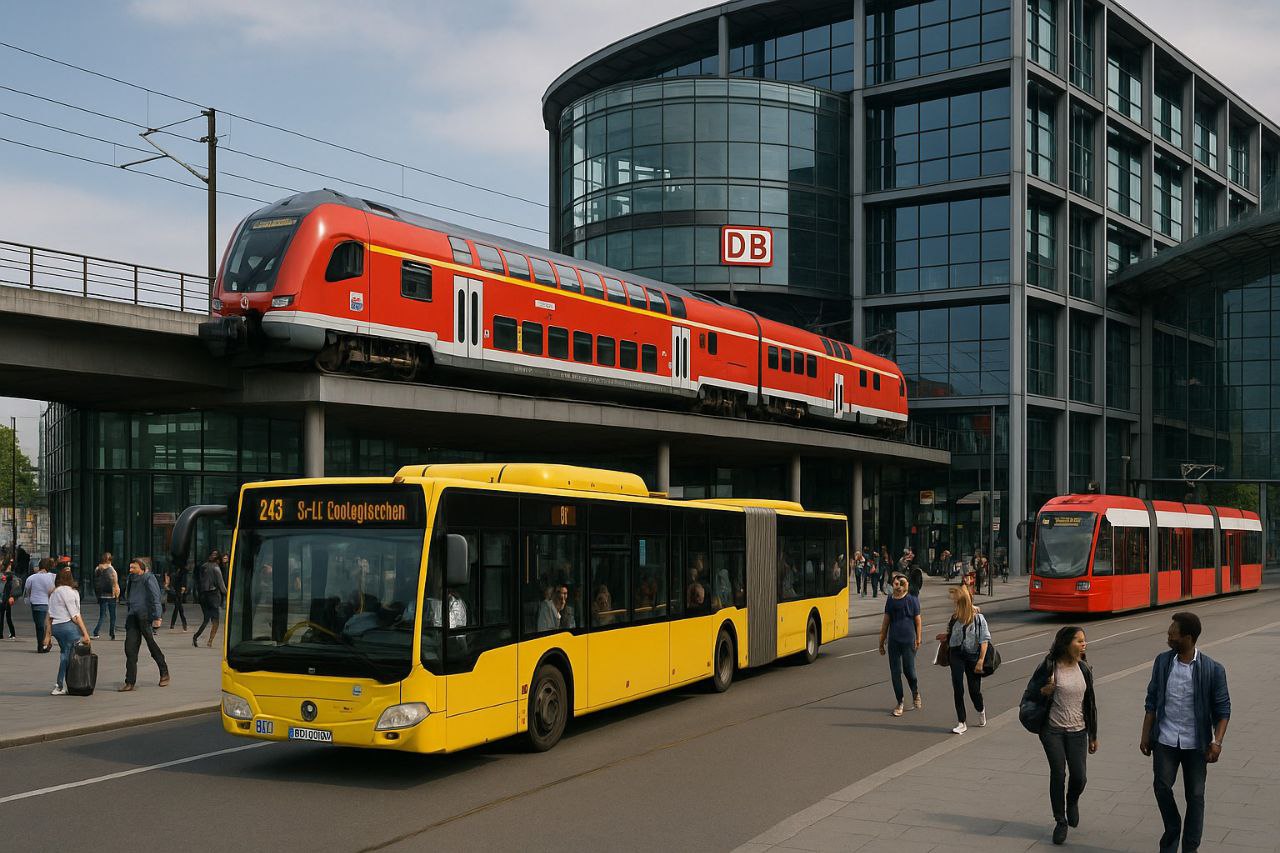
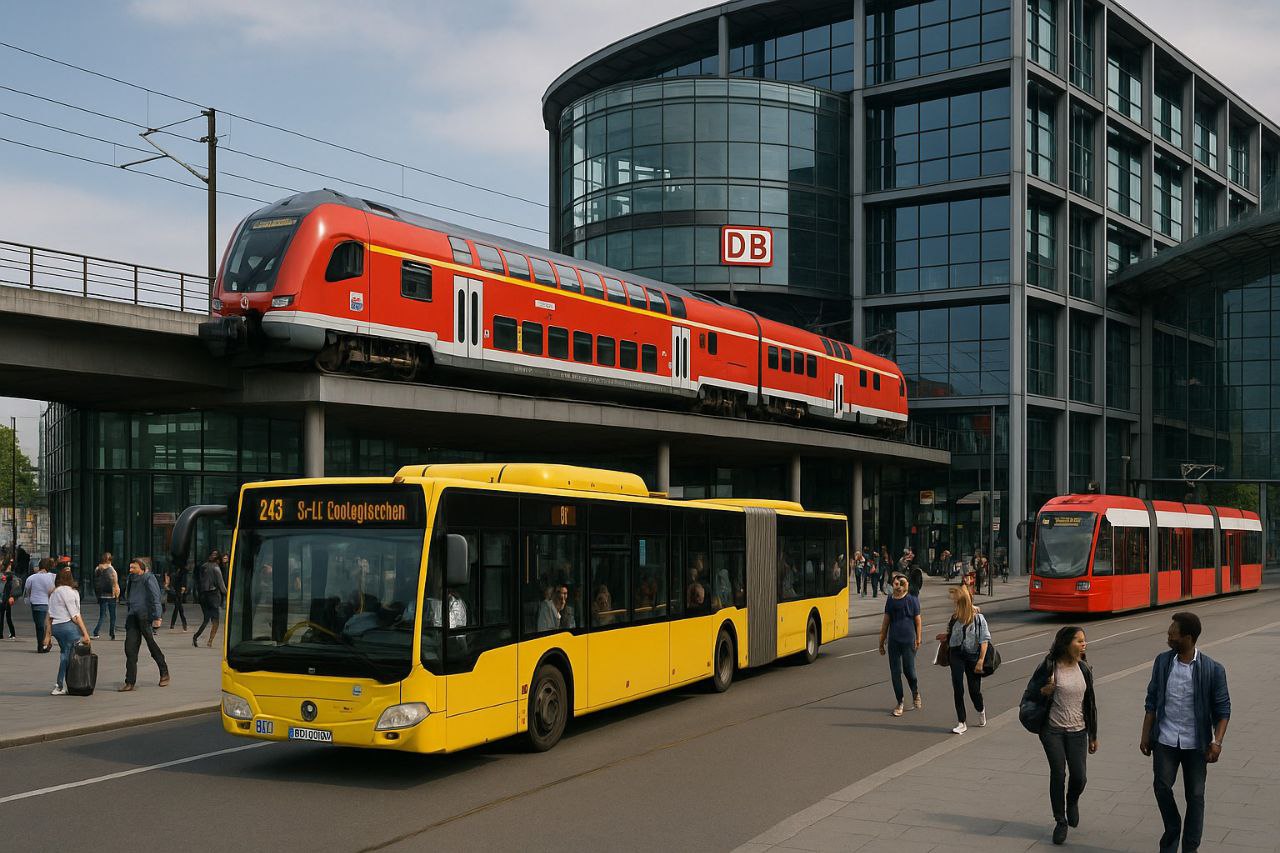
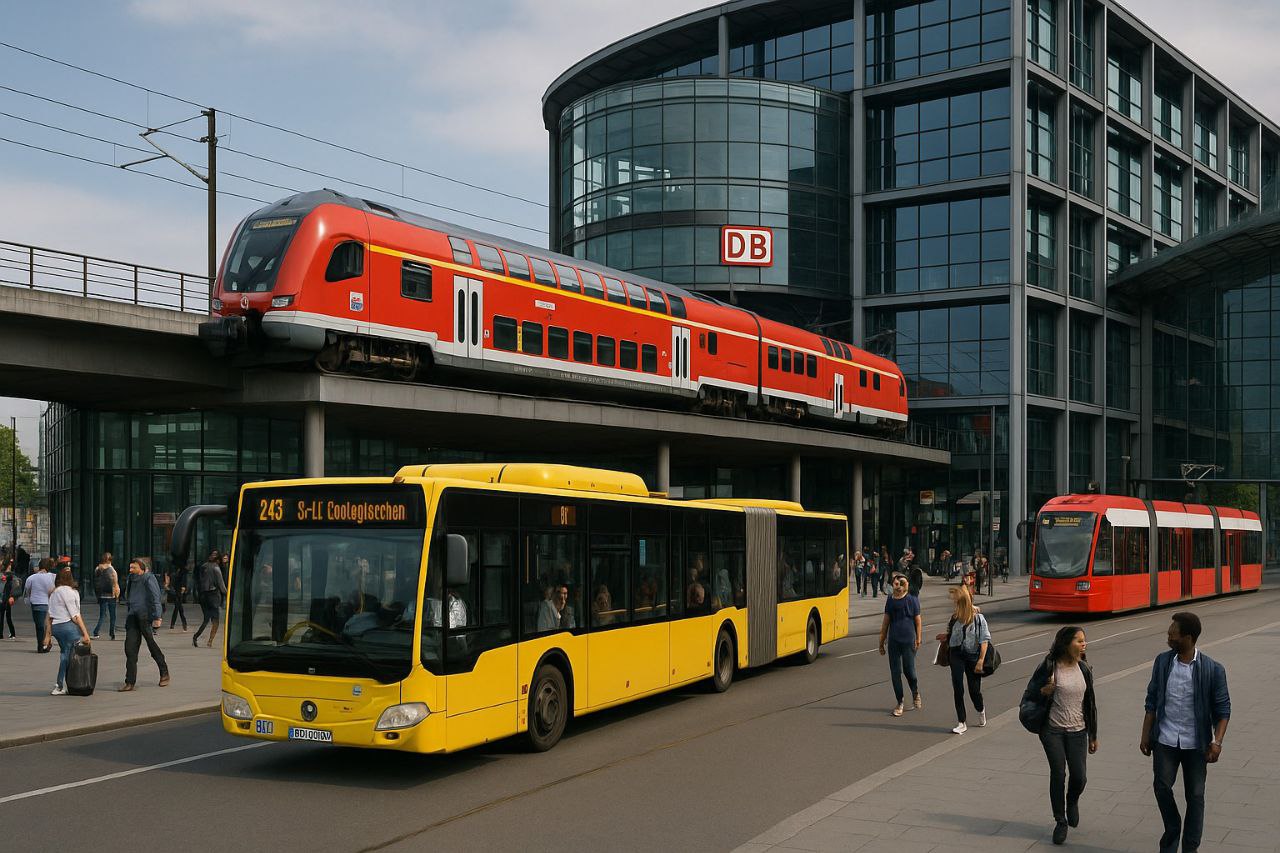
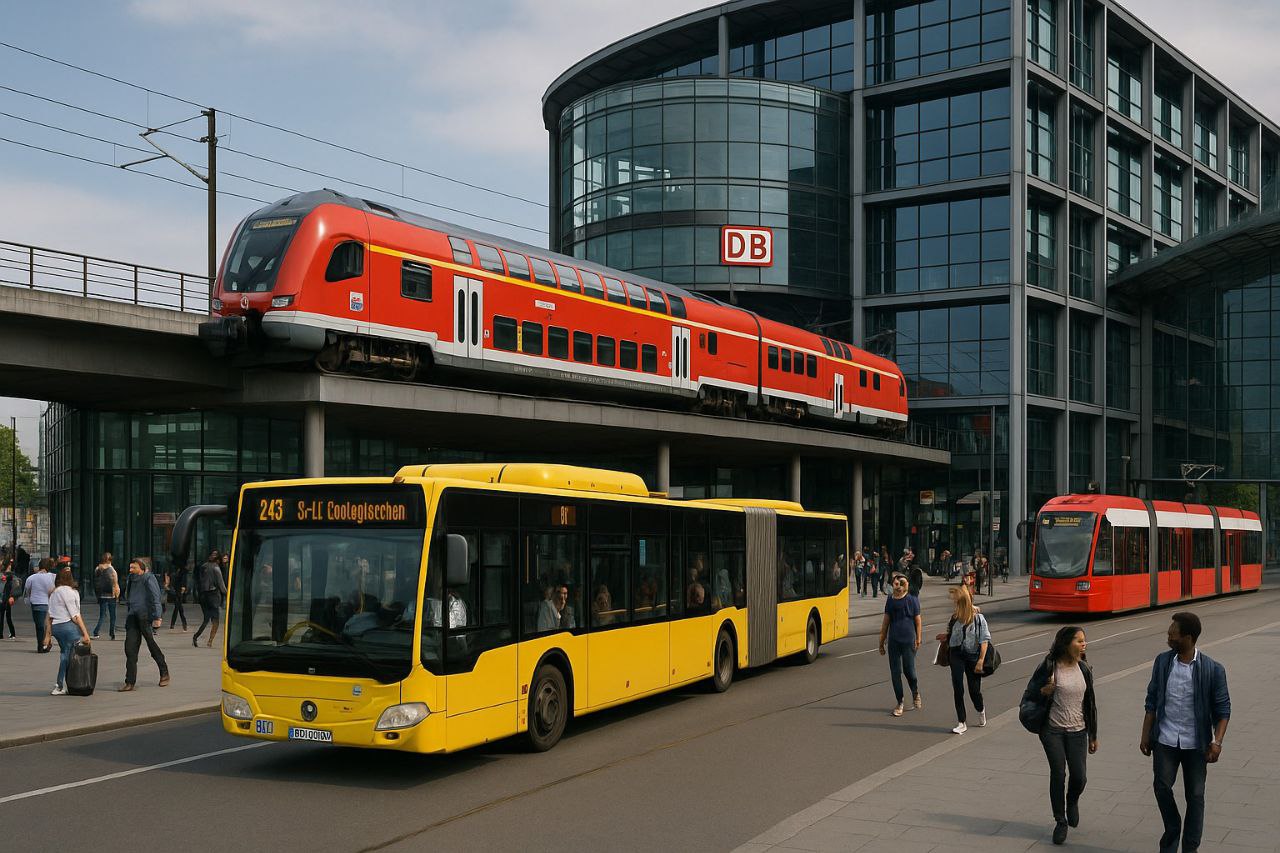
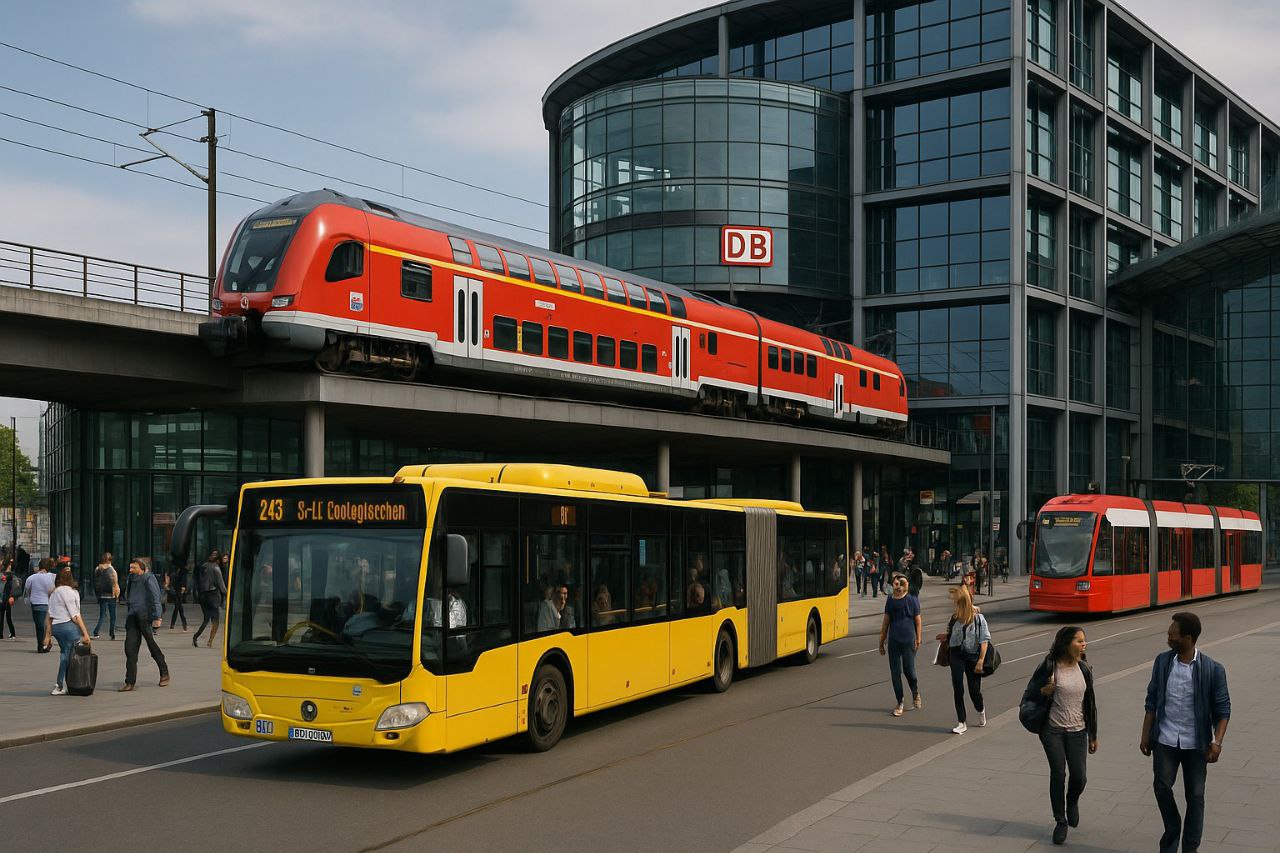
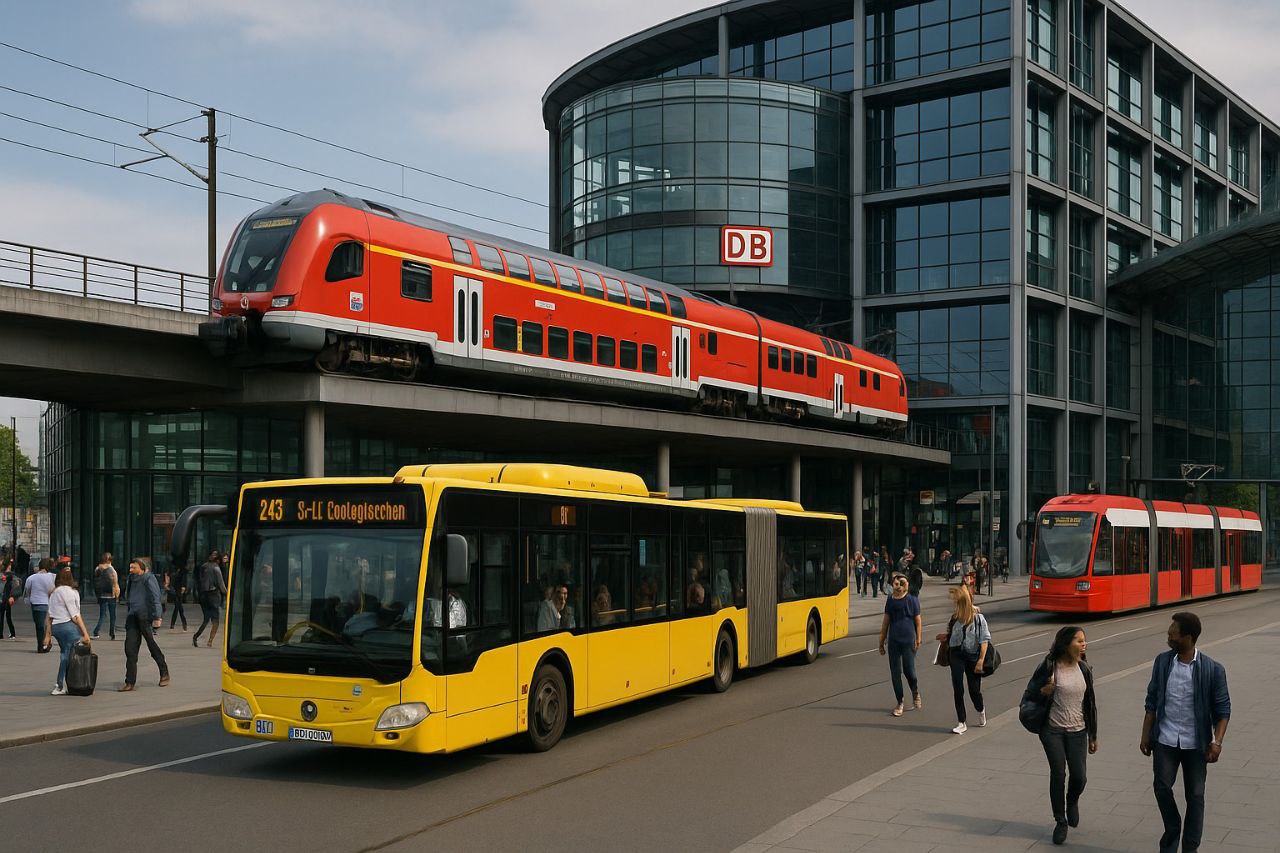
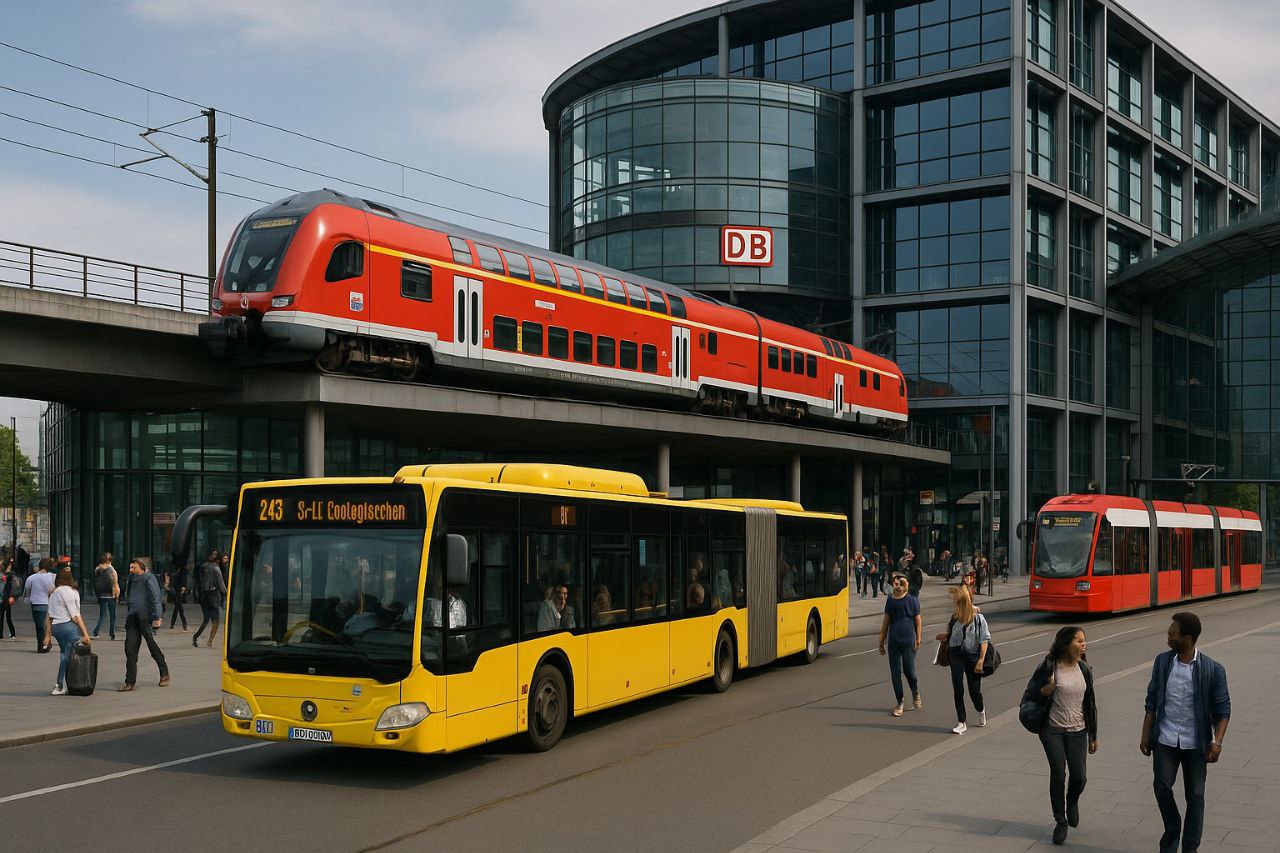
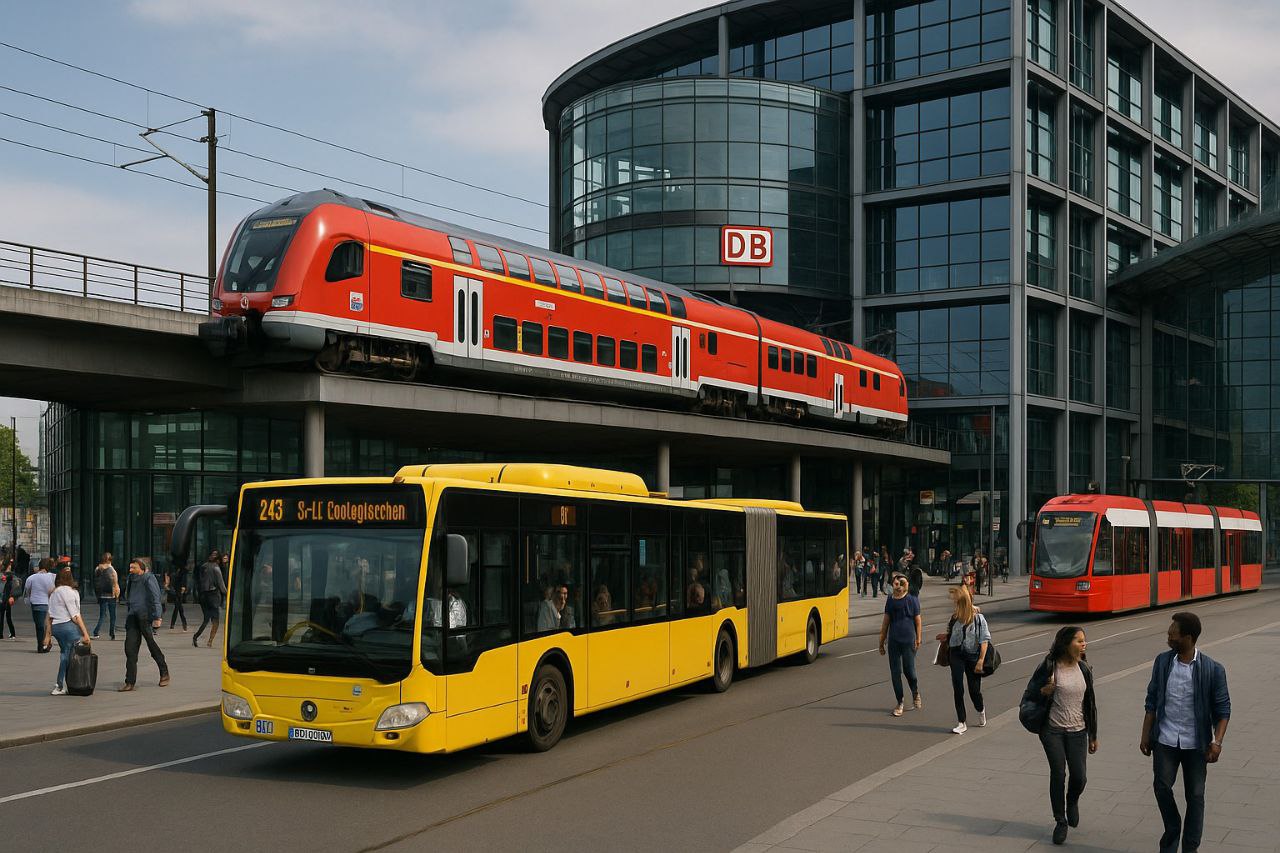
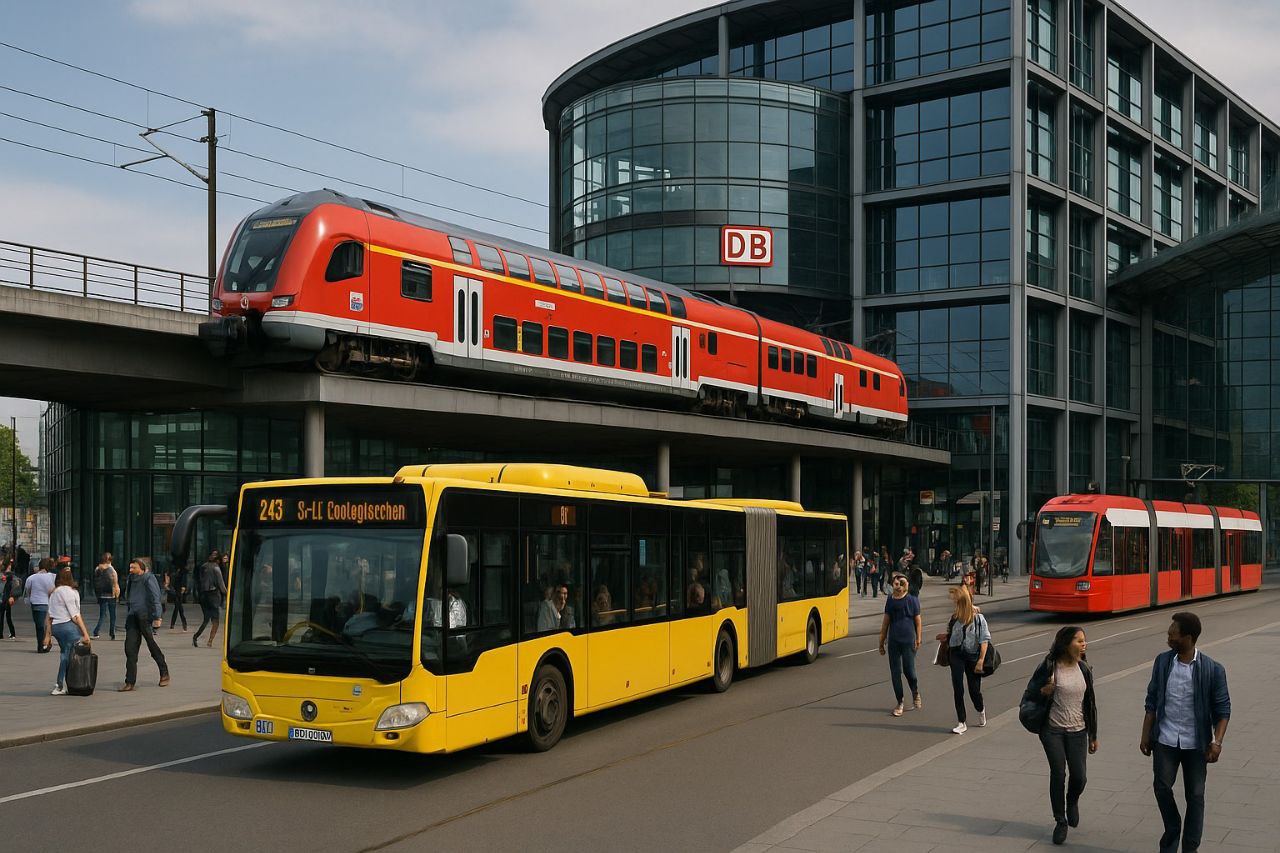
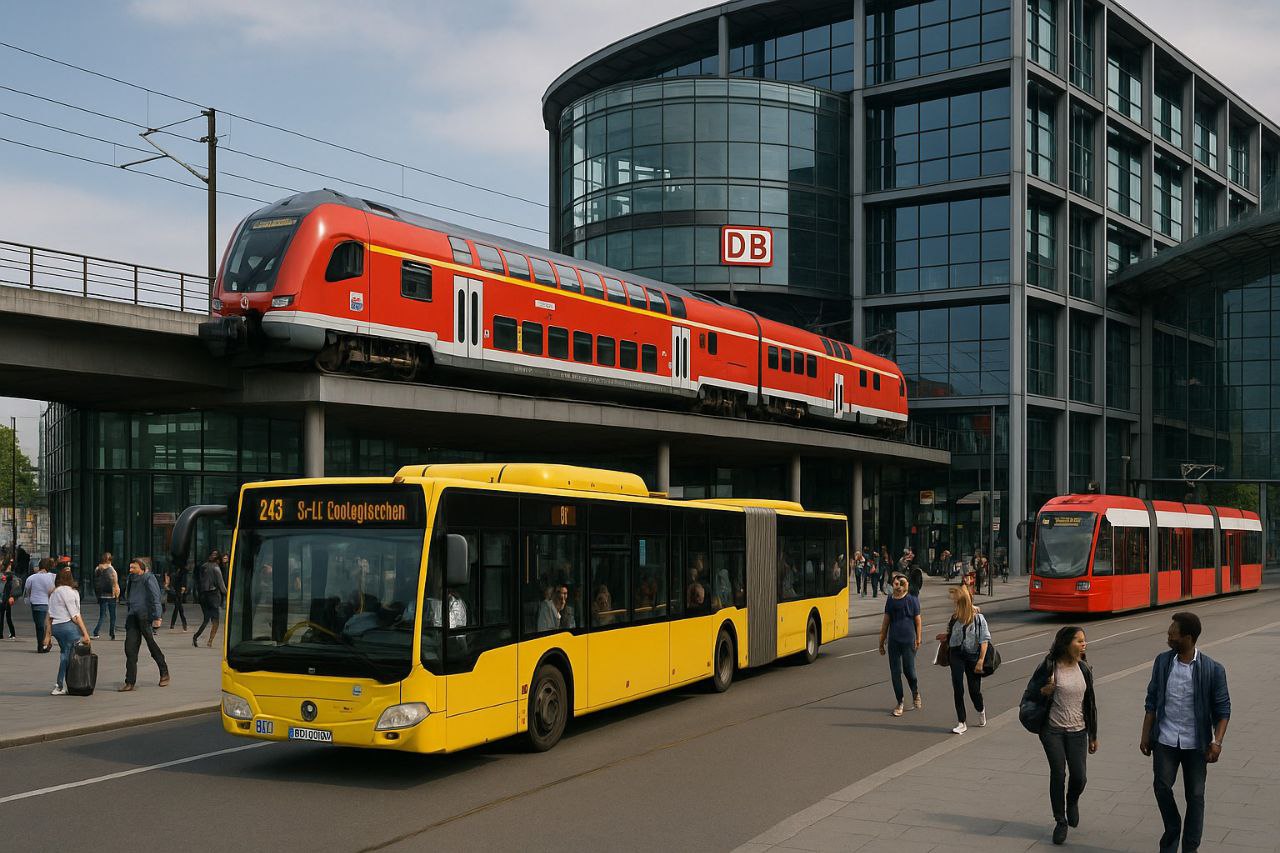
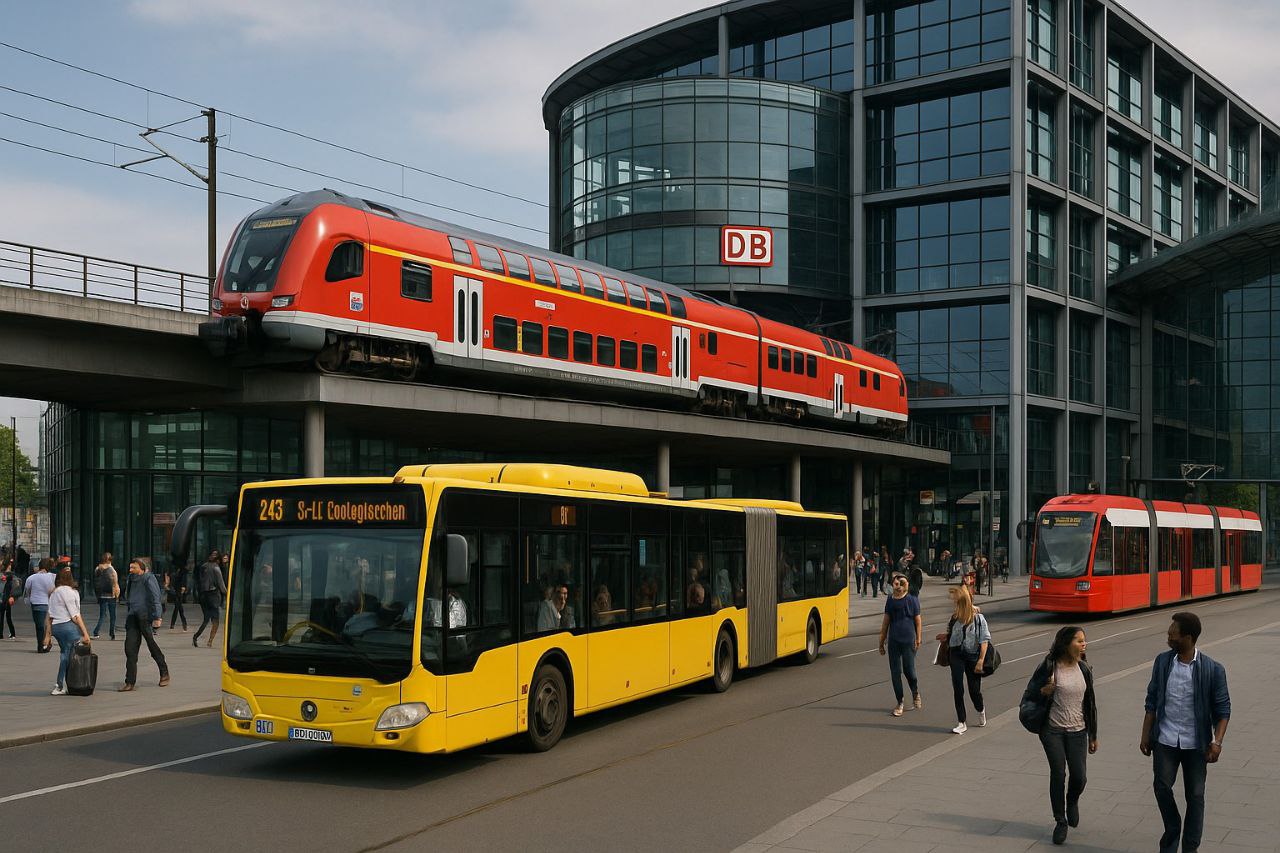
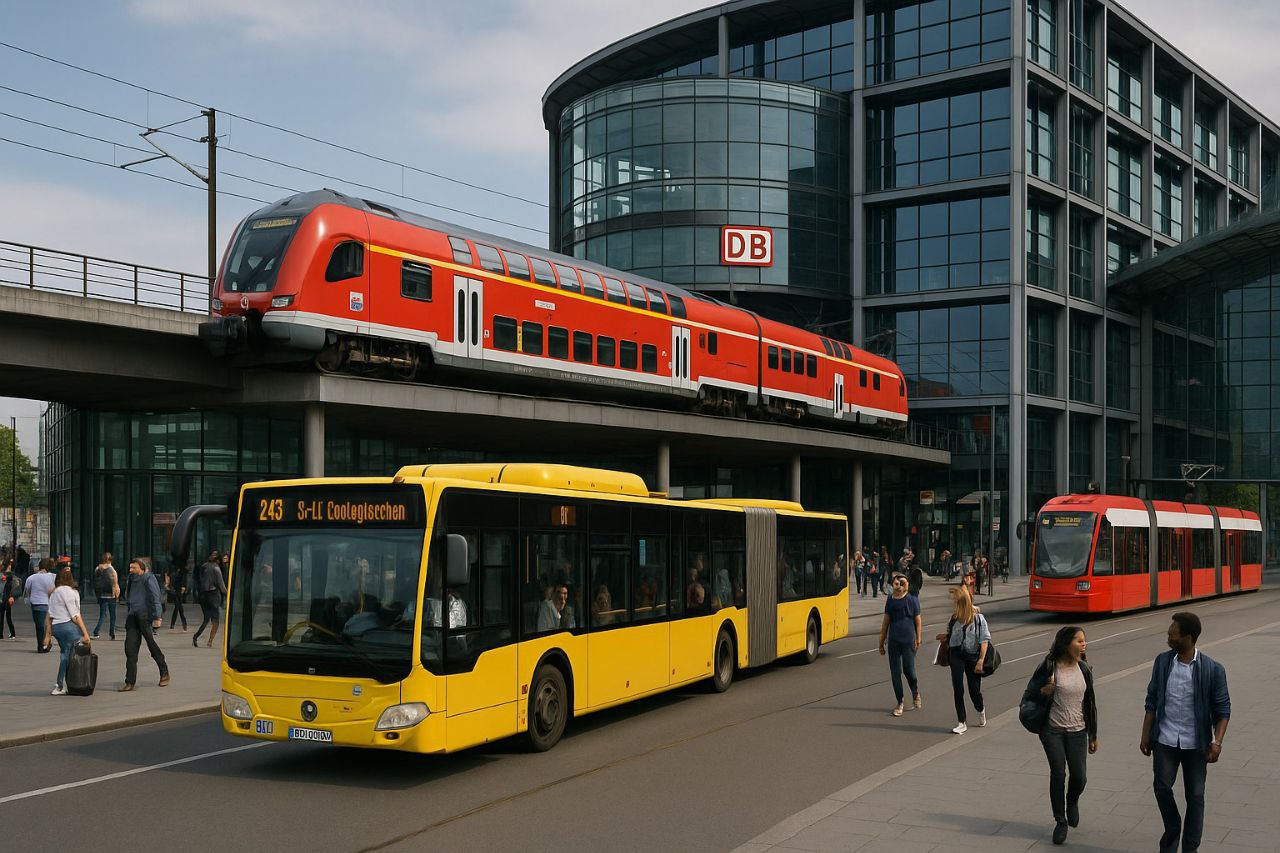
A tram is a light electric rail vehicle that runs through city streets and on dedicated tracks, sometimes crossing regular road traffic.
Tram networks exist in many cities such as Berlin, Munich, Leipzig, Dresden, Frankfurt, and Stuttgart, and they are popular with residents and tourists alike.
Coverage and flexibility
Tram lines serve inner-city neighborhoods, residential areas, and nearby suburbs, making them an ideal alternative to buses or trains for short to medium distances.
Stops are often very close to each other, making boarding and getting off easy—especially in city centers.
Tickets and prices
In most cases, you can use the same tickets valid for other public transport services, such as buses, U-Bahn, and S-Bahn, within the local transport network (Verkehrsverbund).
Common ticket types include:
-
Single ticket (Einzelfahrschein): For a one-time trip, often suitable for short rides.
-
Day ticket (Tageskarte): Unlimited travel for one full day.
-
Weekly or monthly passes: Ideal for people who rely on trams daily.
Tickets are available from vending machines at stops or via local transport apps.
Operating hours and frequency
Trams usually run from early morning until around midnight, and many large cities also offer night lines.
During peak hours, trams may arrive every 5 to 10 minutes, ensuring flexibility and quick travel.
Comfort and onboard services
Trams typically offer comfortable seating and, on some lines, dedicated areas for strollers and bicycles.
Most modern trams have screens showing upcoming stops and audio announcements.
They are also accessible for people with disabilities, thanks to low-floor entry and level access designs.
Rules and good etiquette
-
Use the designated doors for boarding and exiting.
-
Give priority seating to older passengers and people with special needs.
-
Avoid eating and drinking inside the tram.
-
Keep noise low and do not play loud music.
Practical tips
-
Always check the line direction before boarding, as some lines split into different branches.
-
Keep your ticket until the end of the trip—inspections can happen at any time.
-
If you ride often, a weekly or monthly pass may be more cost-effective.
Conclusion
The tram is a distinctive and highly practical transport option in Germany—easy to use, widely available, and reasonably priced.
Whether you live in Germany or are visiting, trams offer a comfortable, sustainable way to explore the city and experience local daily life.
The website’s editorial and writing team strives to provide accurate information through extensive research and consultation of multiple sources. However, some errors may occur, or certain details may not be fully confirmed. Please consider the information in these articles as initial reference and always consult the relevant official authorities for verified information.