

 Login/Create Account


Everything You Need to Know About Single-Zone and Multi-Zone Tickets in Germany
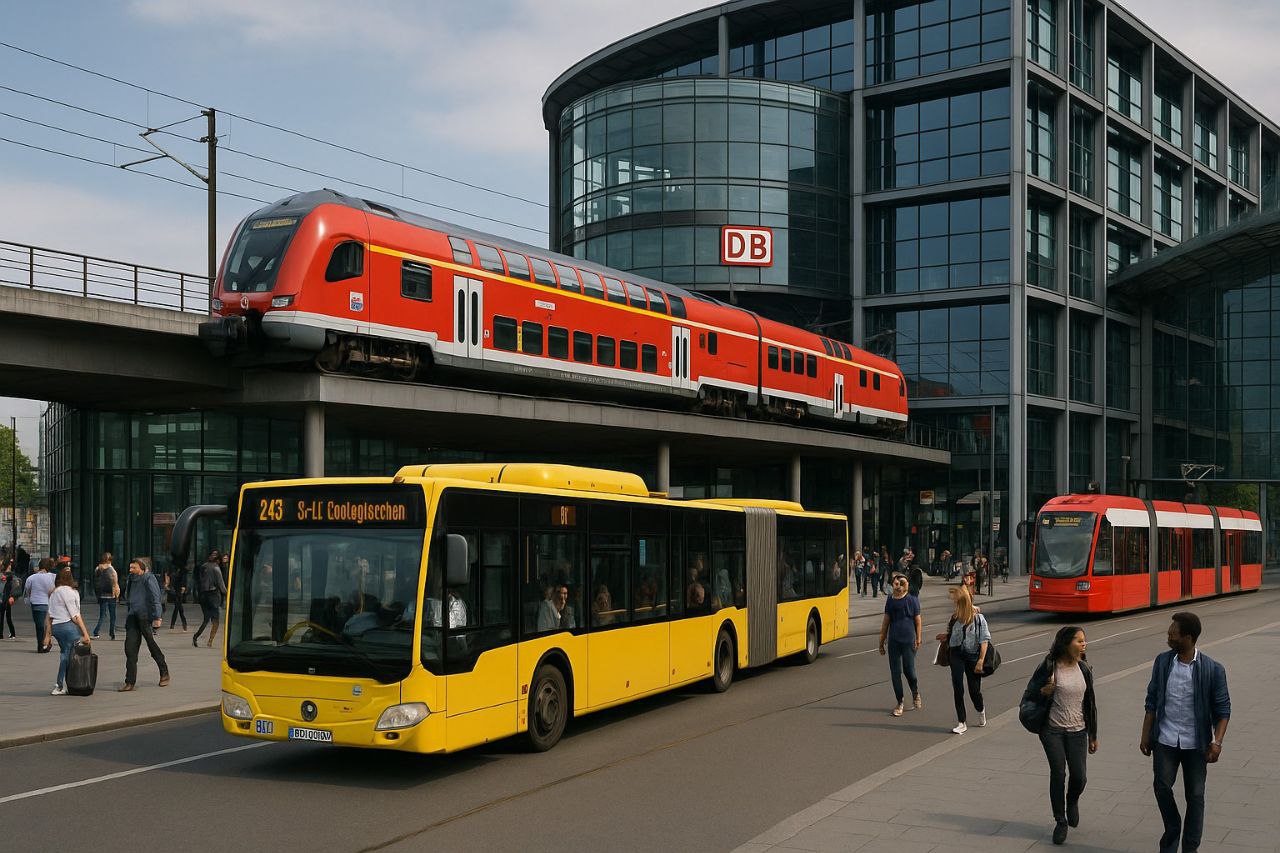
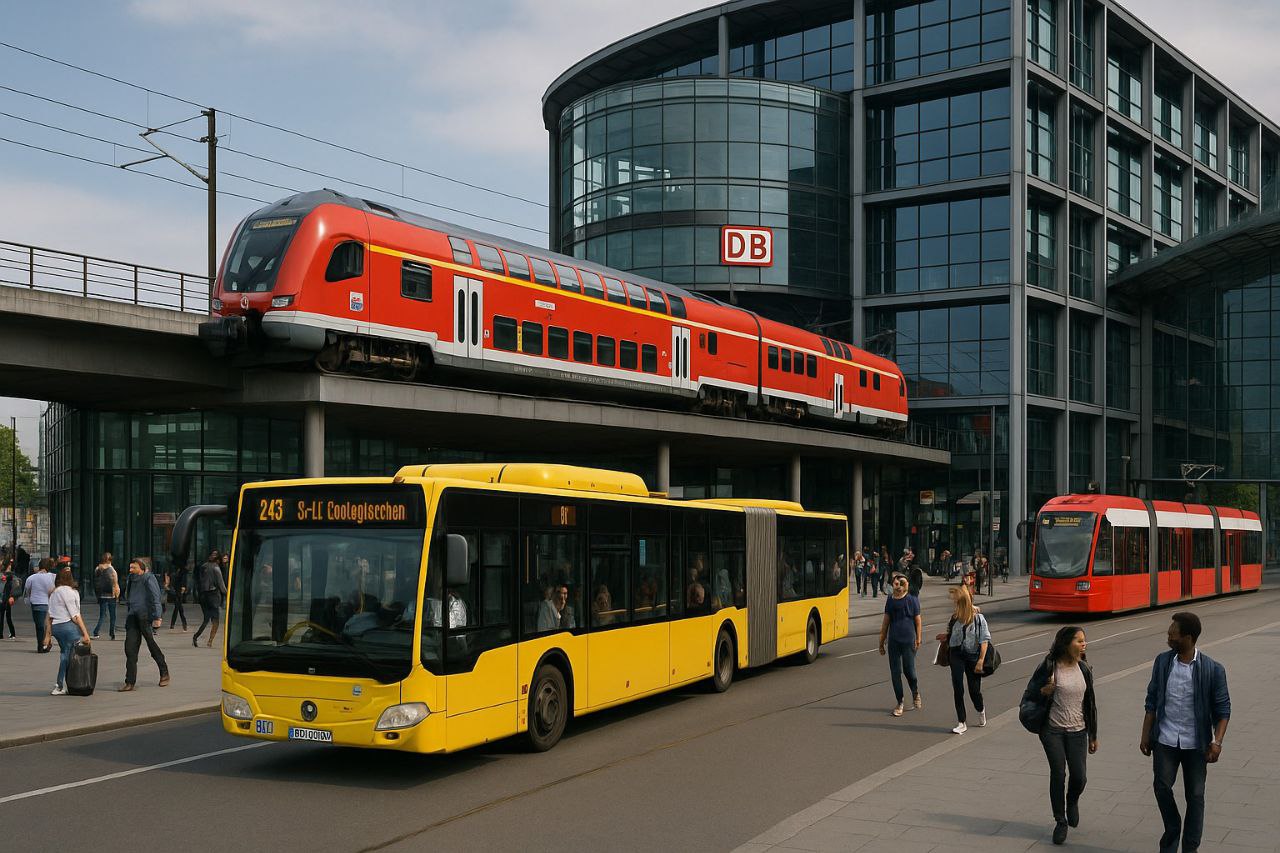
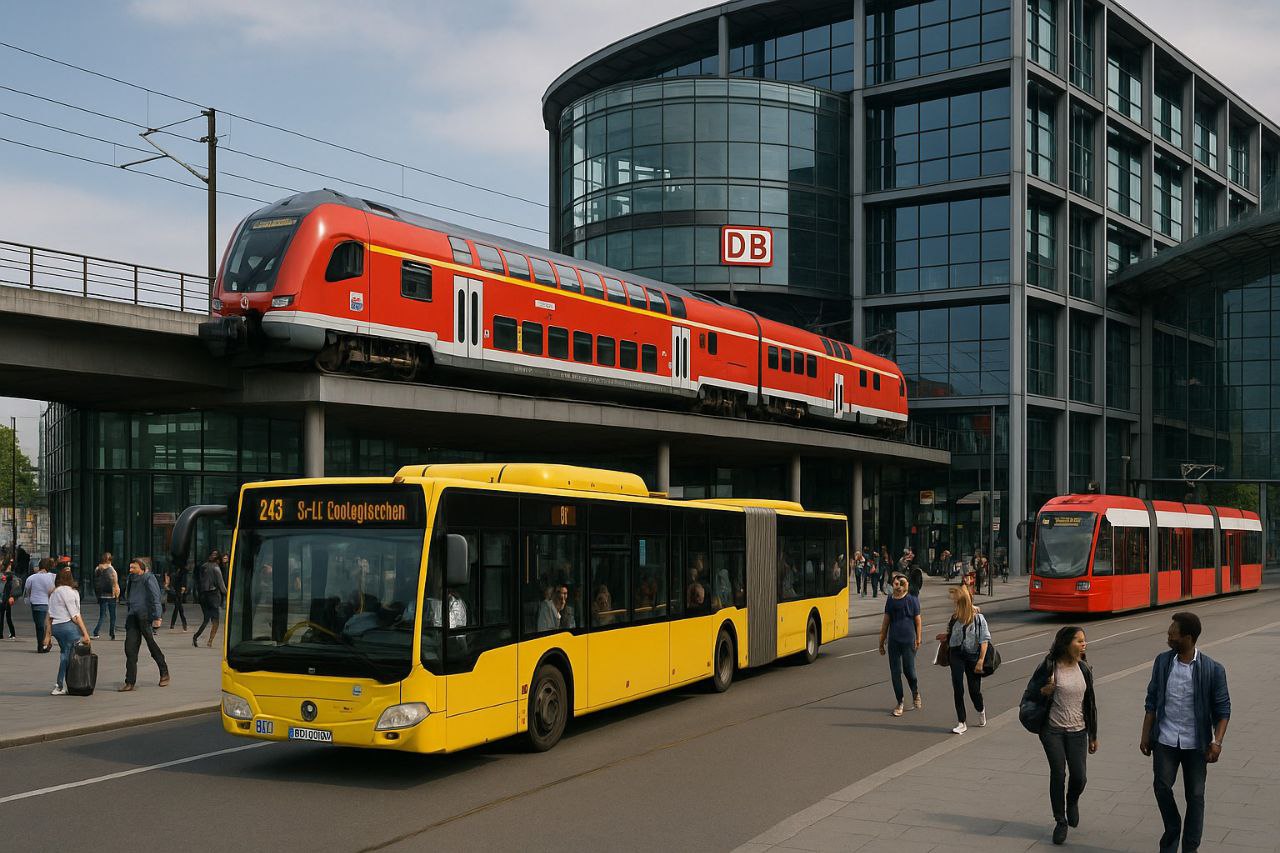
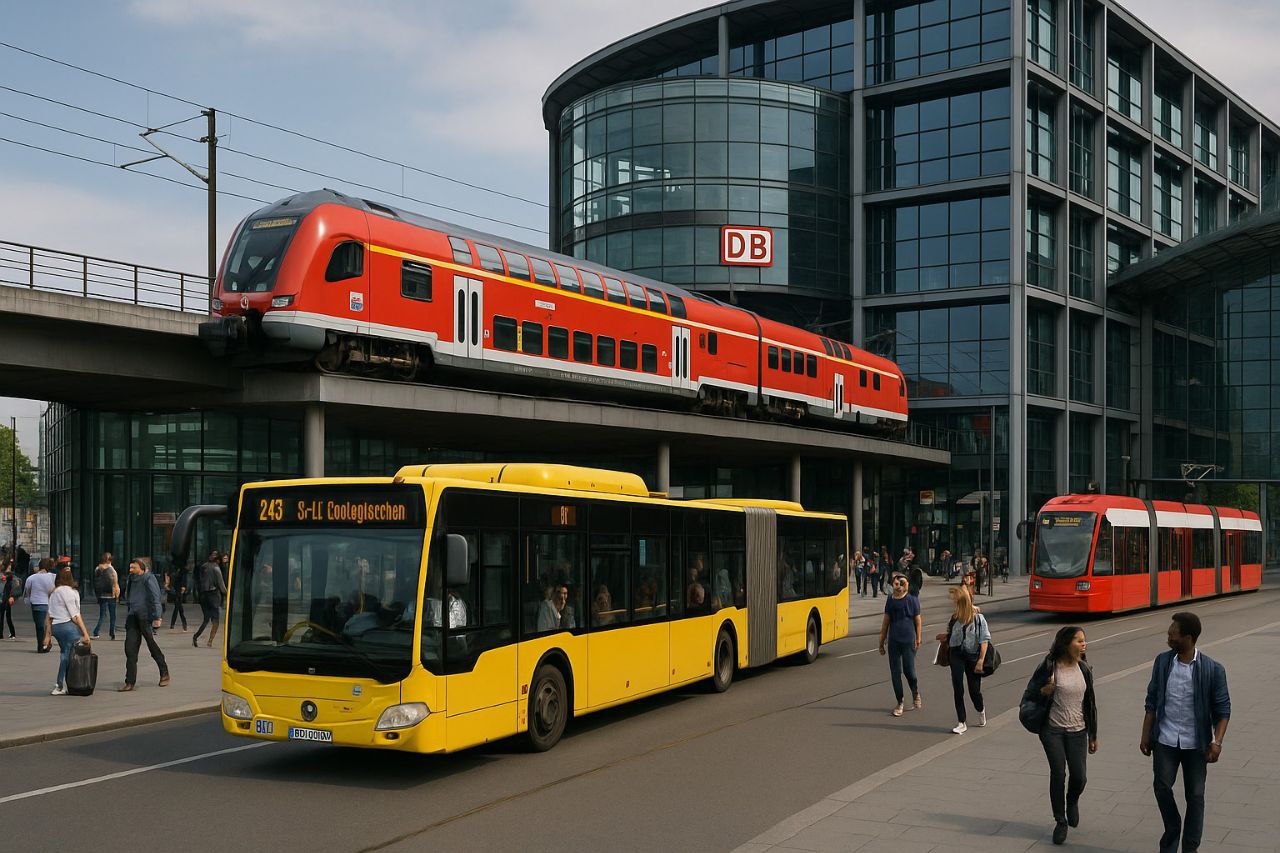
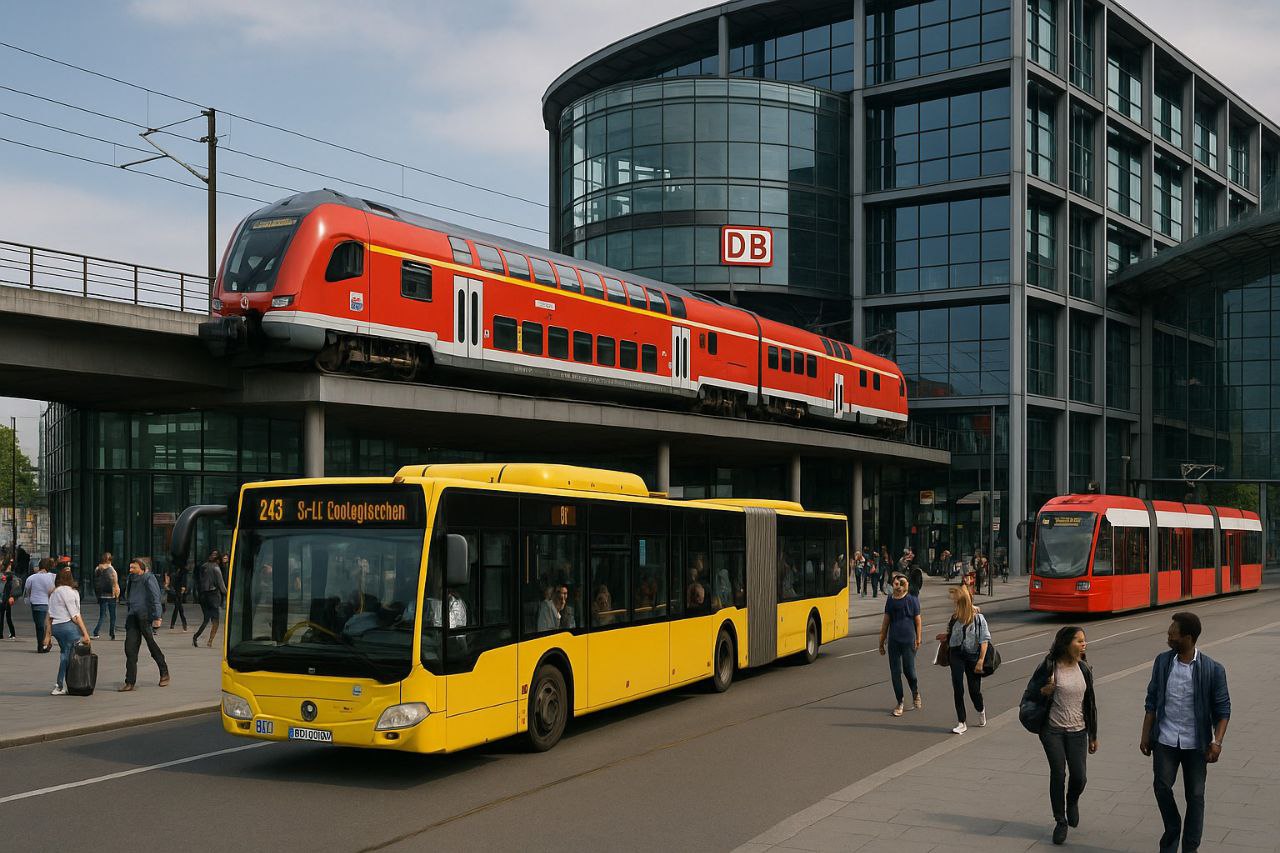
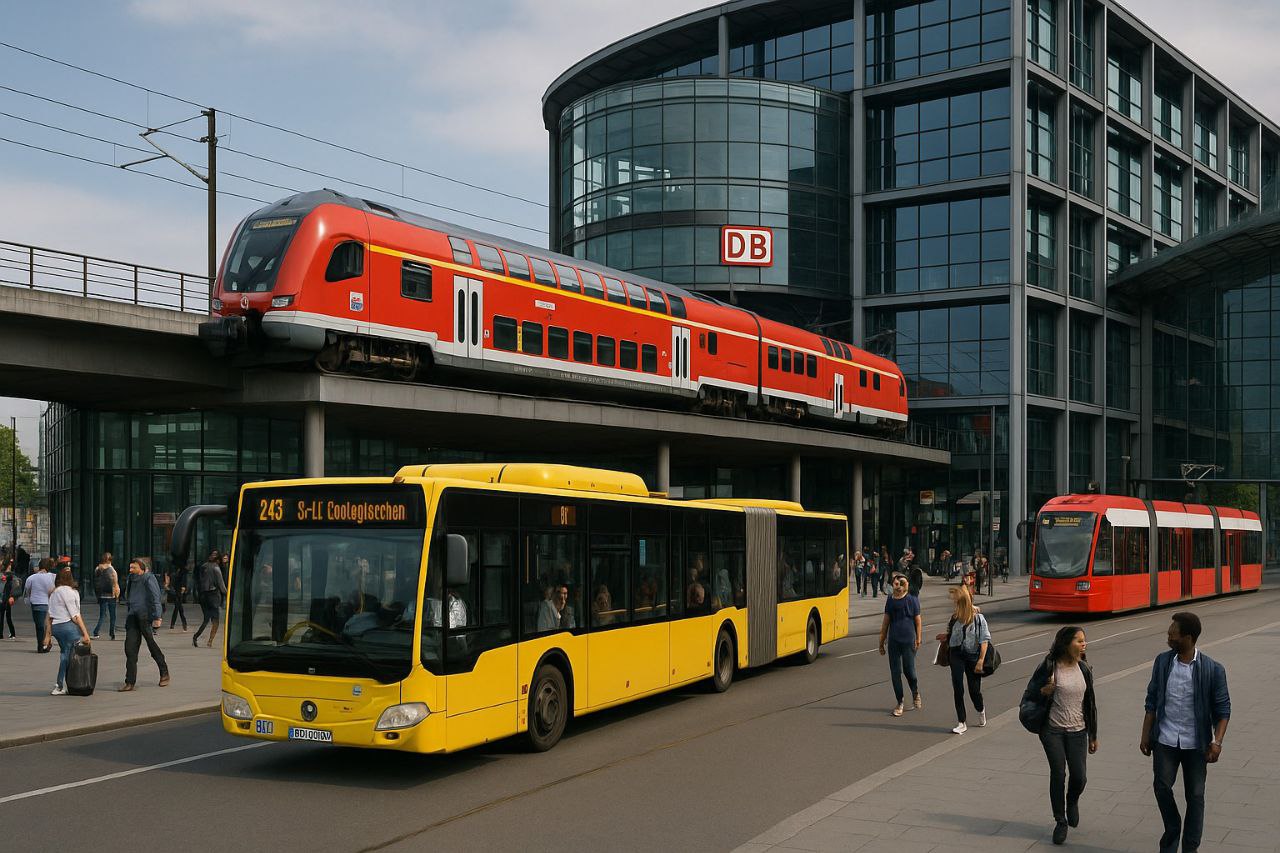
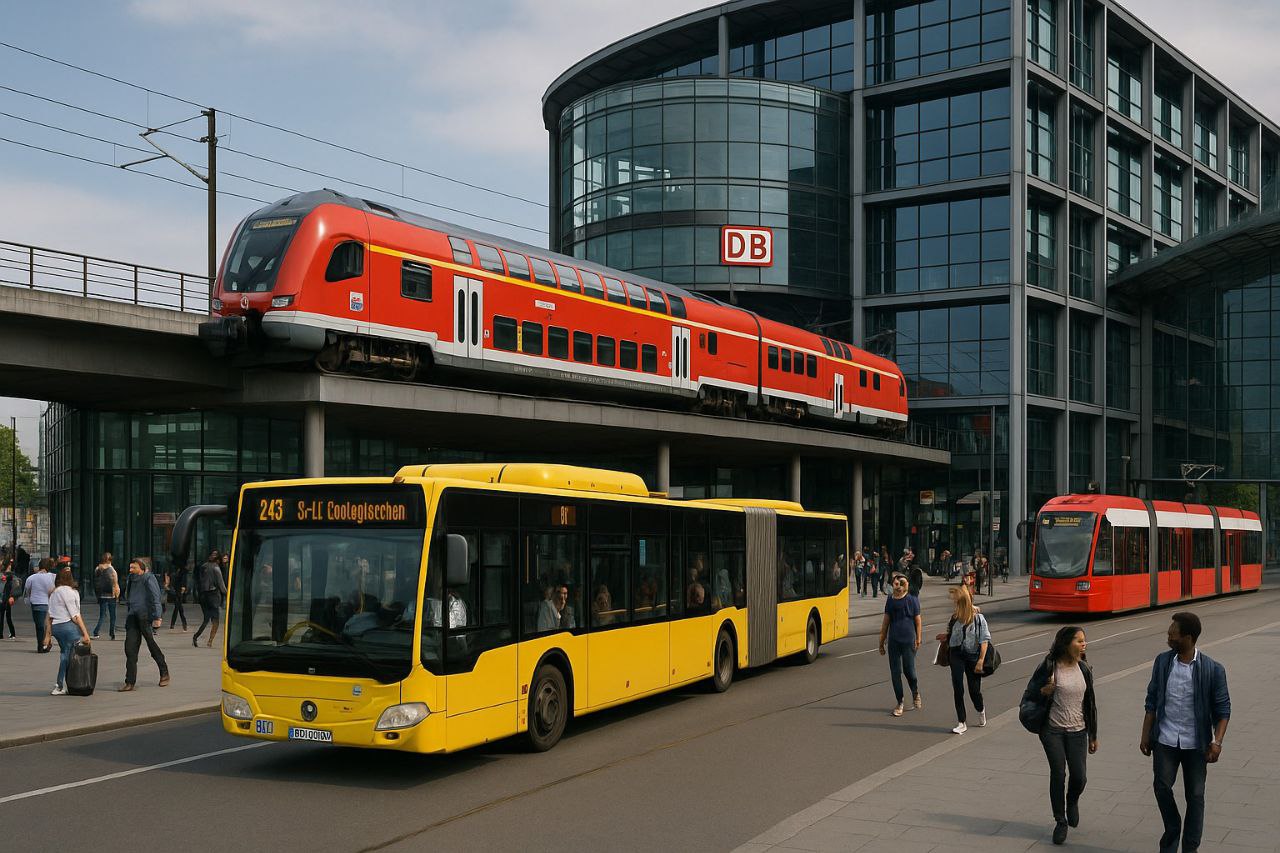
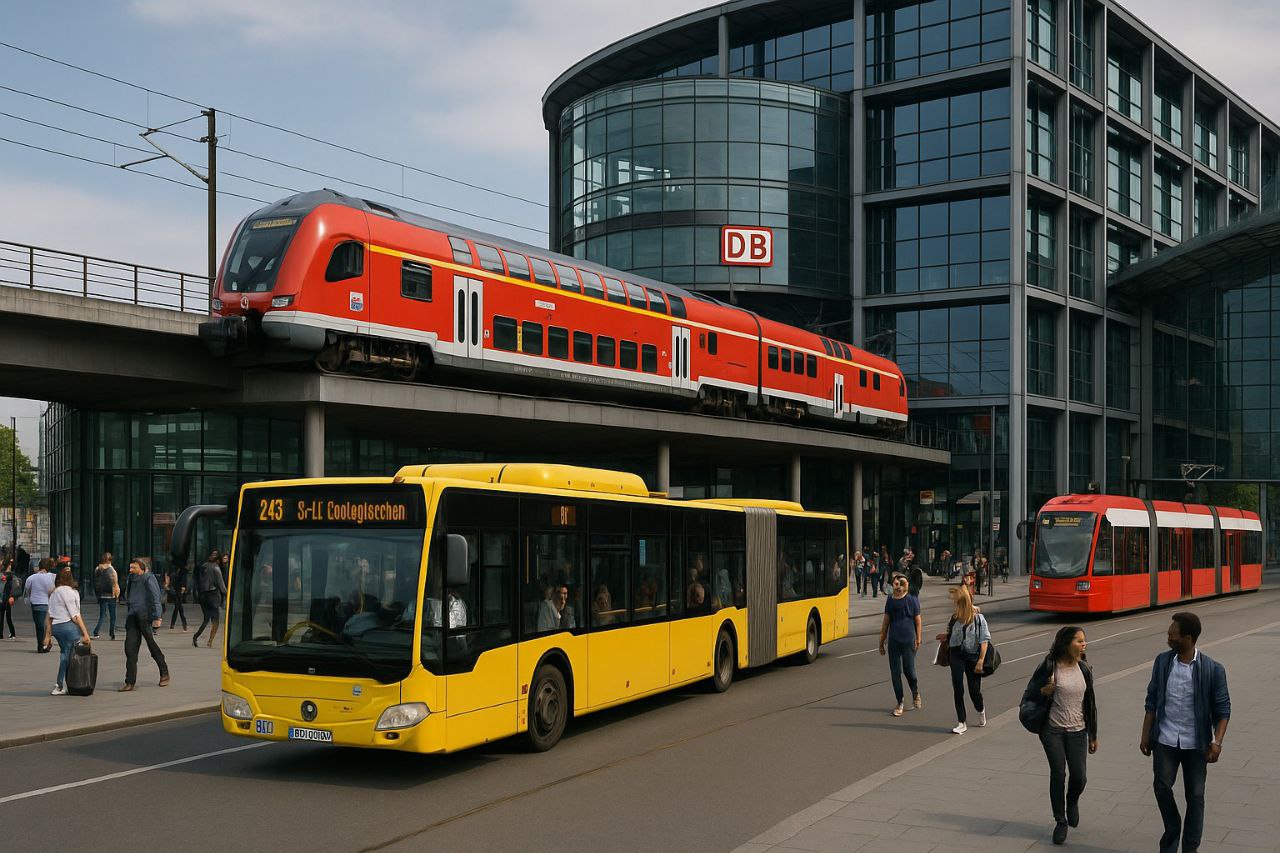
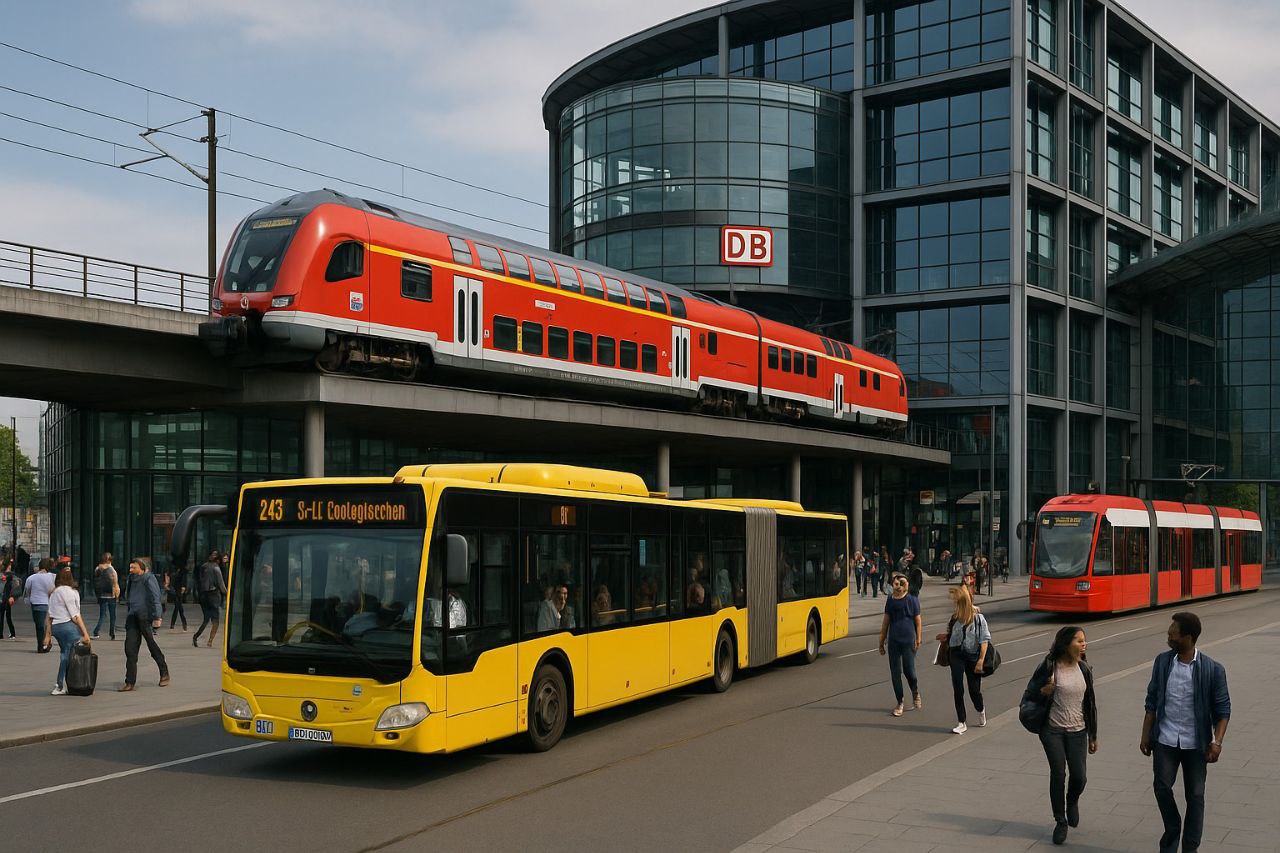
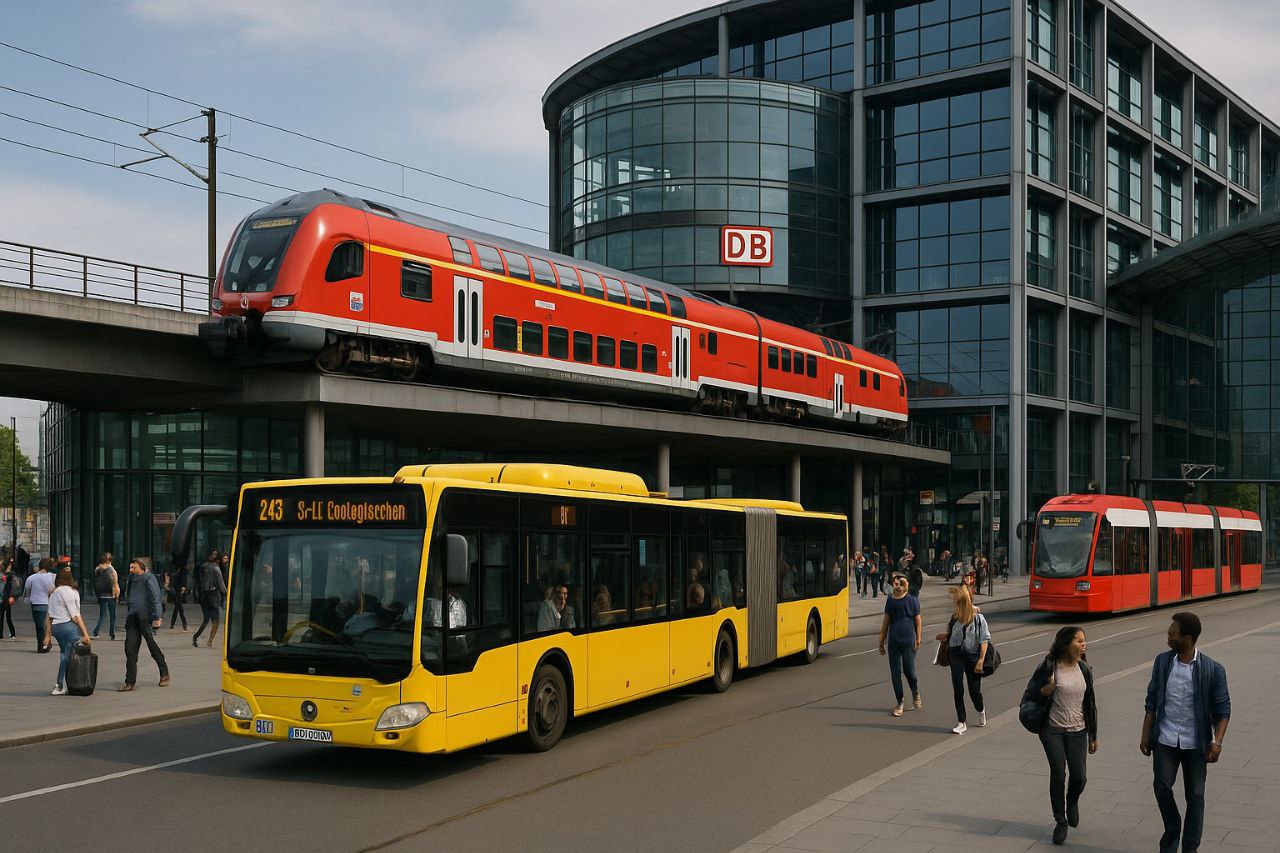
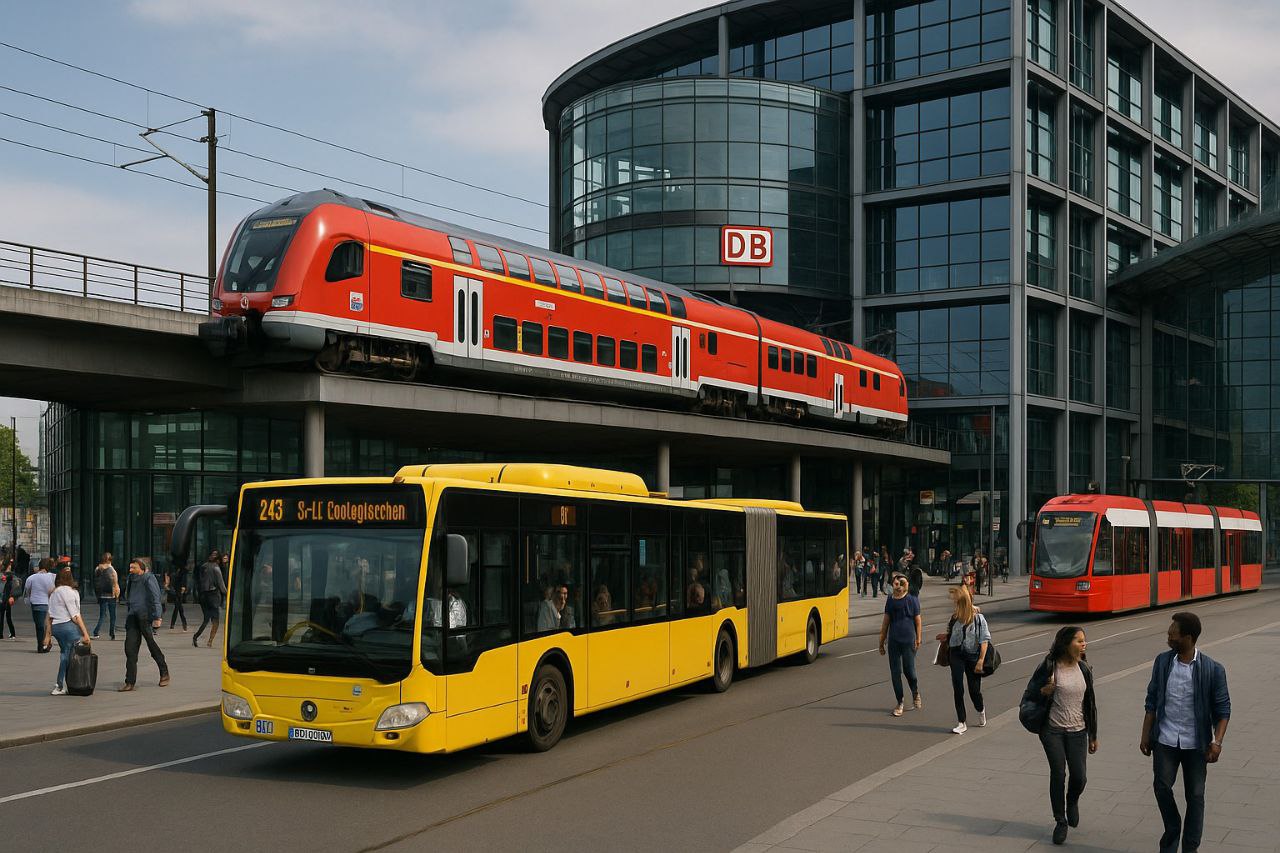
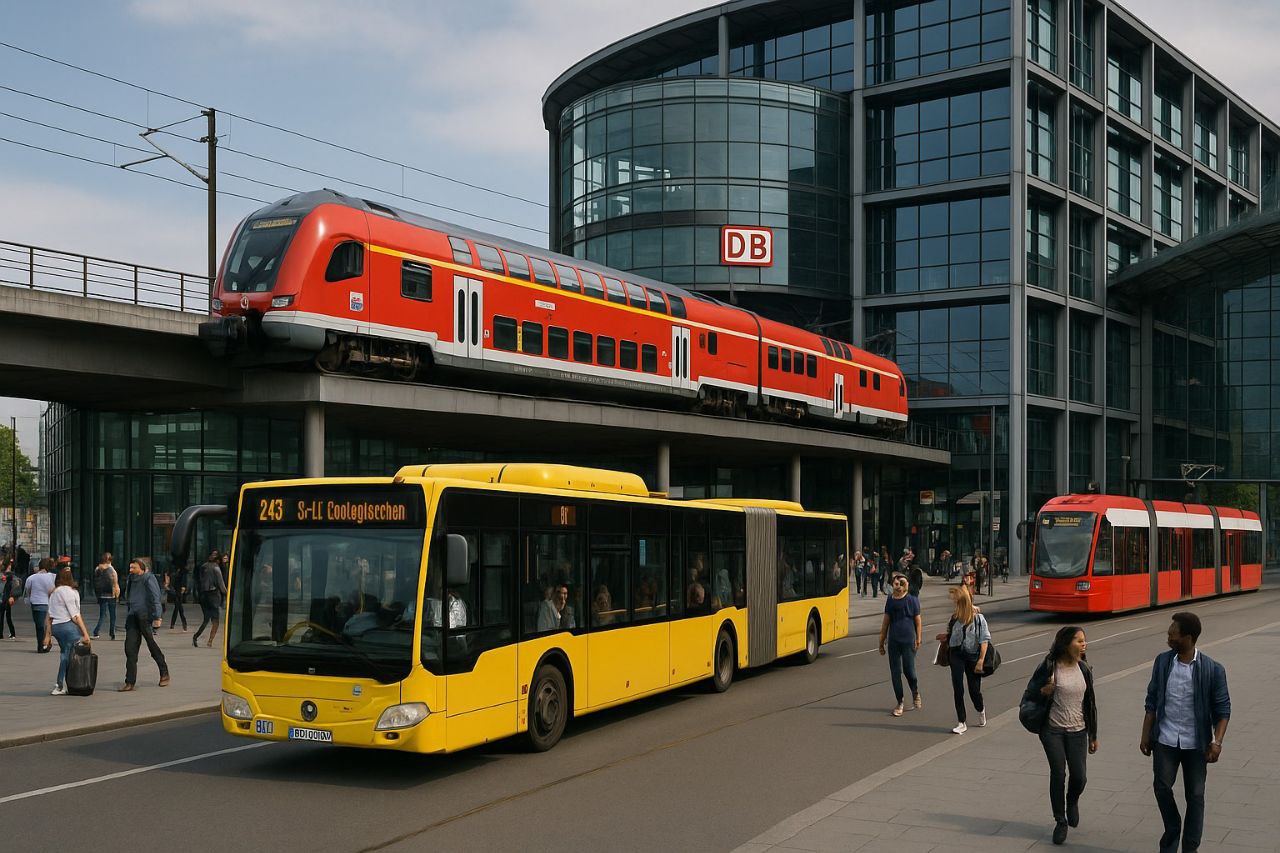
When using public transport in Germany—whether buses, regional trains, trams, or the metro—you’ll find that many cities use a ticket system based on geographic zones (Zonen). Understanding how zones work can save you time and money, and help you choose the right ticket.
What is the zone concept?
Many German cities and federal states divide their areas into zones within a regional transport association (Verkehrsverbund). Ticket prices depend on how many zones you cross during your trip, not on the actual distance in kilometers.
-
Single zone (Einzelfahrkarte für eine Zone): If your trip stays within the same zone, you can buy a ticket valid for one zone only, which is usually the cheapest option.
-
Multiple zones (Mehrzonen-Ticket): If your journey goes beyond your zone into other areas, you need a ticket that covers all zones you will travel through.
How are zones calculated?
Each city or region has its own map that defines the number and shape of zones. For example:
-
In Berlin, there are three zones: A (city center), B (outer districts/suburbs), and C (surrounding area such as Potsdam). You can buy AB, BC, or ABC tickets depending on your destination.
-
In Munich, zones are arranged in a circular pattern spreading outward from the city center; the more rings/zones you cross, the higher the ticket price.
Types of tickets
1. Single-zone tickets
Ideal for short trips within one neighborhood or a clearly defined area.
They are typically the most affordable and often cover everyday rides such as commuting to work or going shopping.
2. Multi-zone tickets
Valid when your trip extends into neighboring zones.
They are commonly used for traveling to nearby towns or routes that require crossing more than one zone.
Ticket validity
Most tickets are valid for 60 to 120 minutes, depending on the city and the number of zones.
Multi-zone tickets often allow travel in all directions within the set time, as long as you do not return to your starting point.
Where can you buy tickets?
-
Ticket machines at stations.
-
Customer service centers (Reisezentrum).
-
Official smartphone apps such as DB Navigator or local transport association apps.
-
Some buses and trams allow purchasing tickets from the driver, but it’s usually best to buy them in advance.
Inspections and fines
Ticket inspections are carried out regularly. If you do not have a valid ticket—or if you use the wrong ticket (for example, a single-zone ticket for a multi-zone trip)—you may face a fine of up to €60 or more.
Practical tips
Before buying a ticket, always check the local zone map for the city/region you are in.
If you use public transport daily, consider a weekly or monthly pass, which can be much cheaper than buying separate tickets every day.
Keep your ticket until the end of your trip, as you may be asked to show it at any time.
Make sure to validate/stamp (Abstempeln) your ticket using the yellow or red validation machines when entering, if it has not been pre-validated.
Conclusion
Germany’s zone system is a smart way to keep ticket prices fair and proportional to your trip. By understanding zones and choosing the correct ticket, you can travel with confidence and enjoy the organized, reliable public transport Germany is known for.
— Our website’s writers and editors strive to provide accurate information through extensive research and consulting multiple sources. However, mistakes may occur or some details may not be fully confirmed. Please treat the information as an initial reference and always consult the relevant authorities for verified guidance.