Login/Create Account


Everything You Need to Know About the S-Bahn Urban Rail Network in Germany
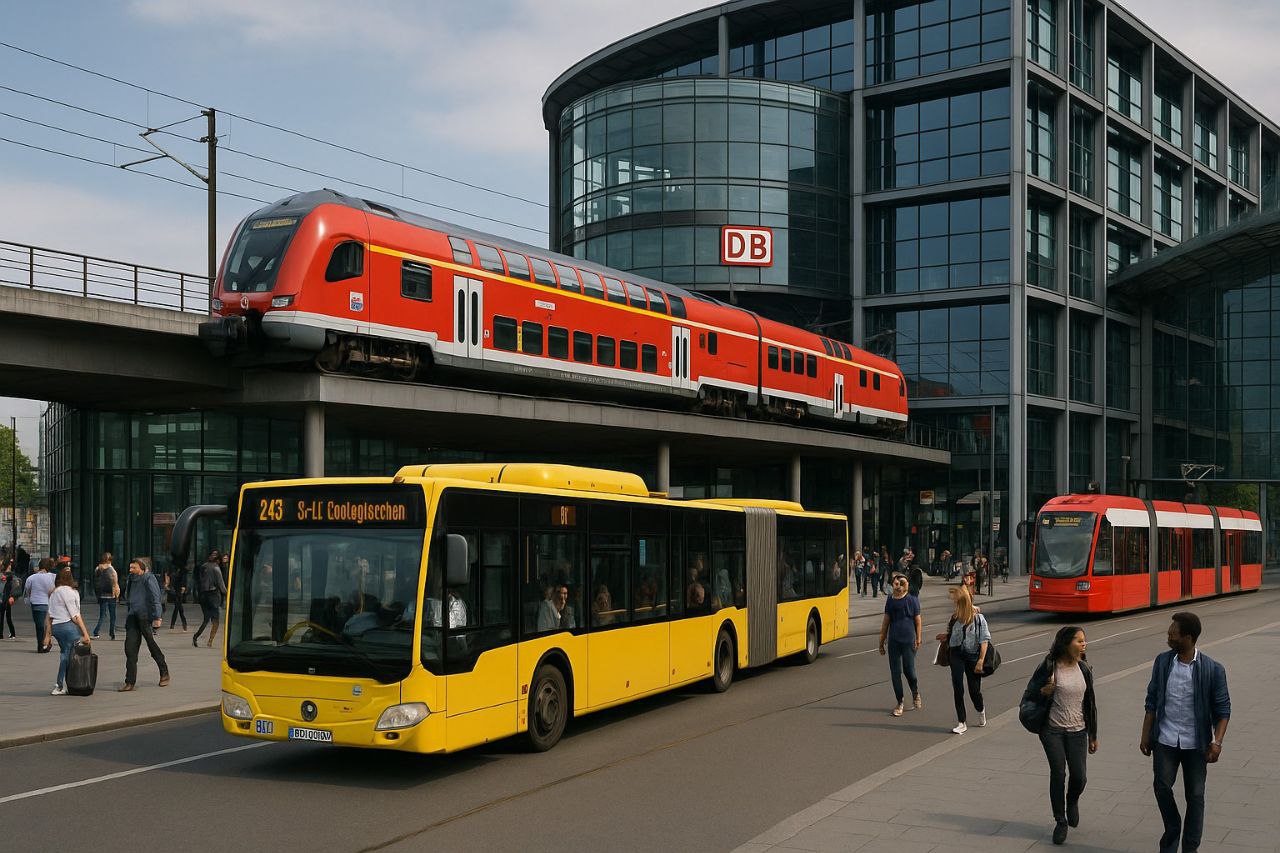
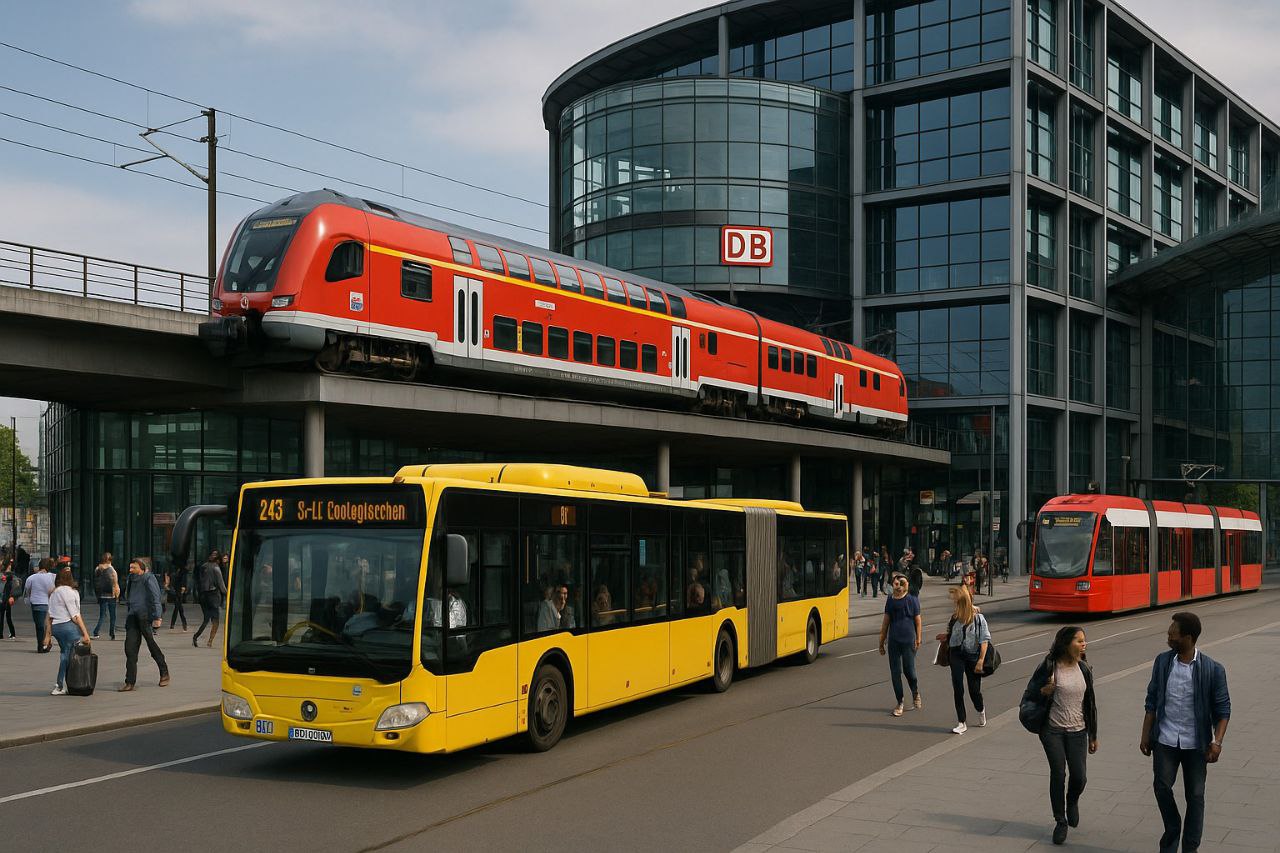
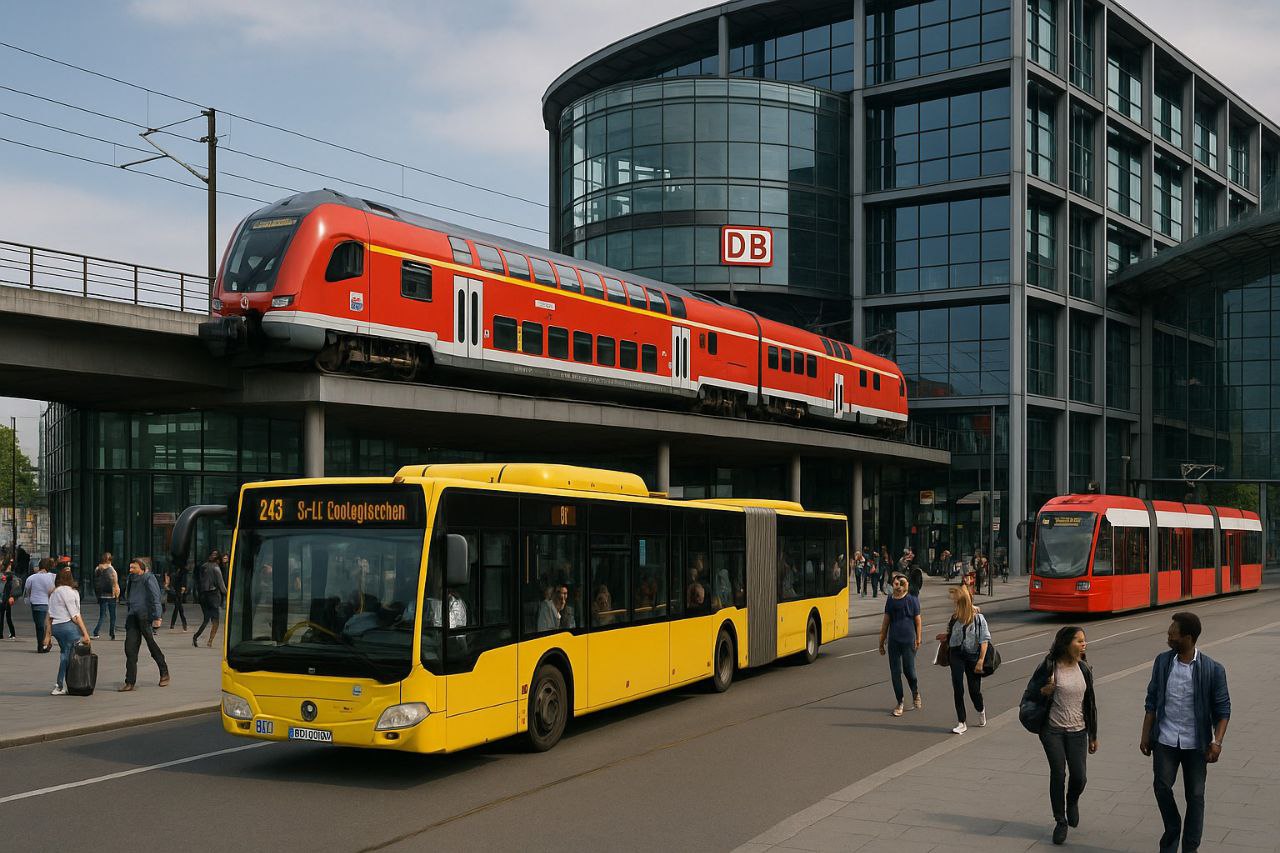
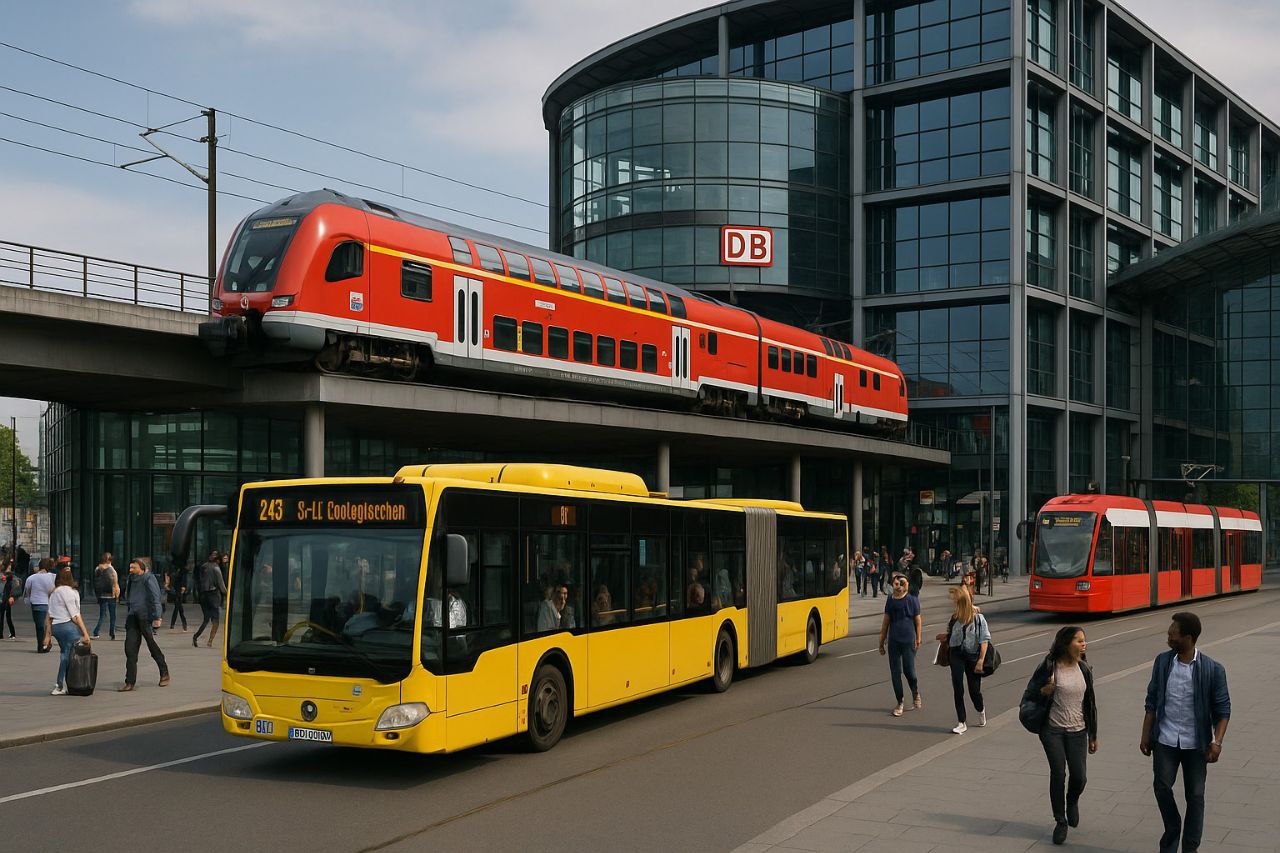
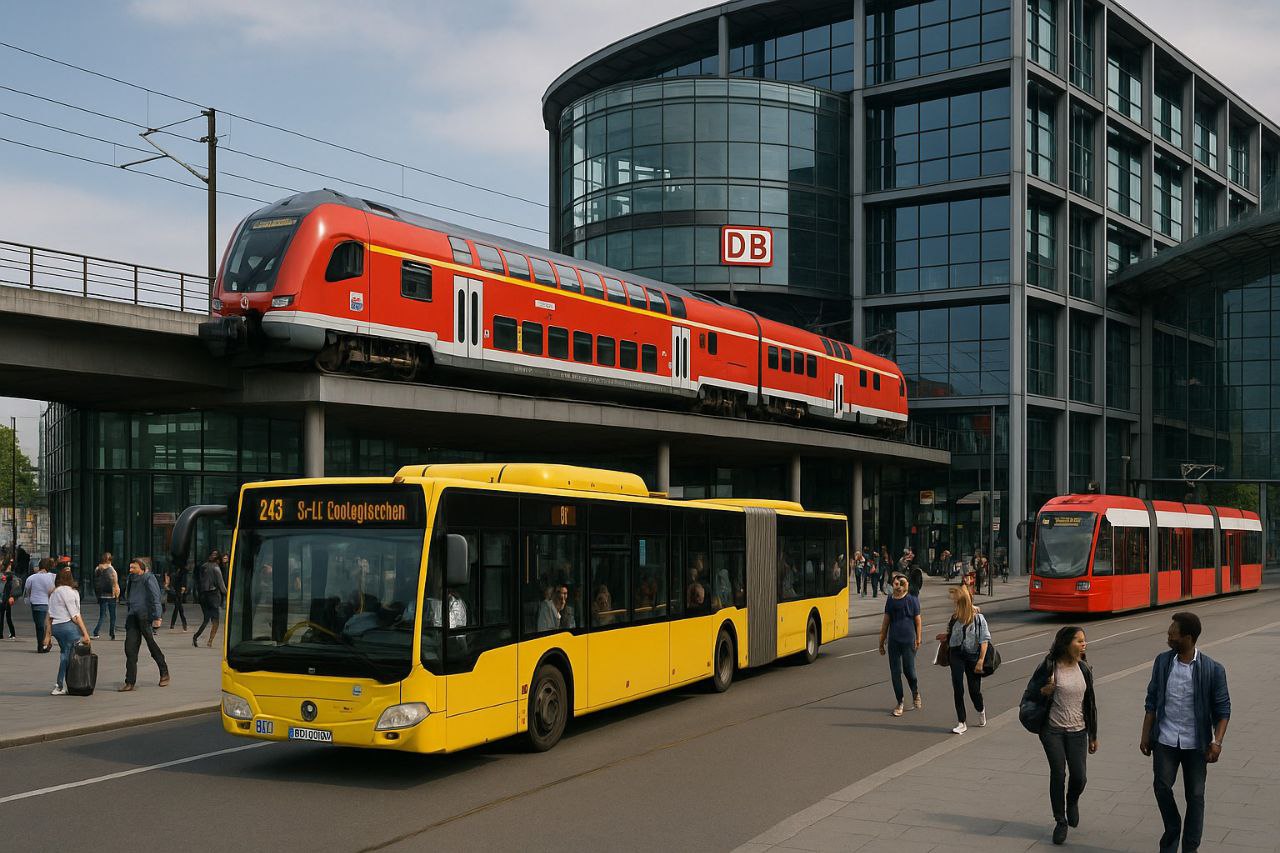
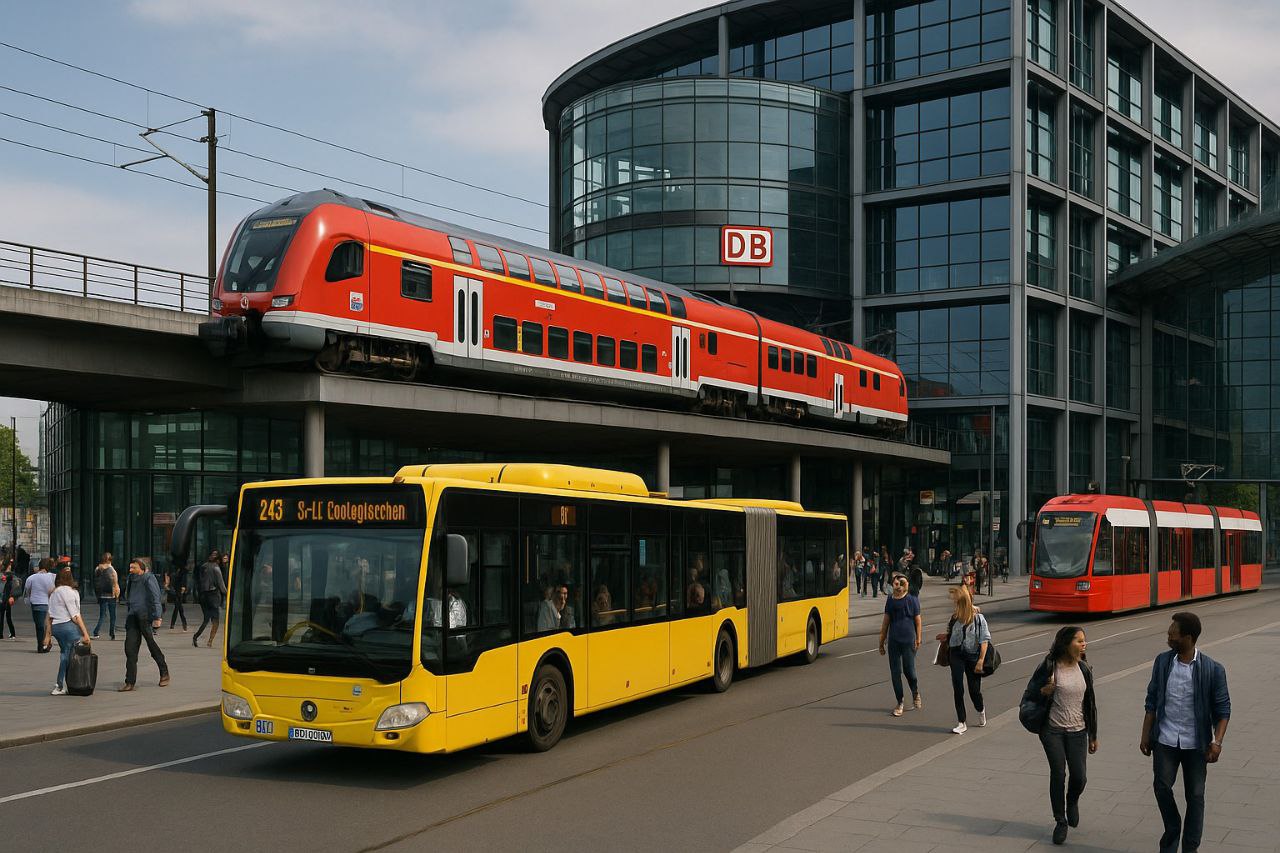
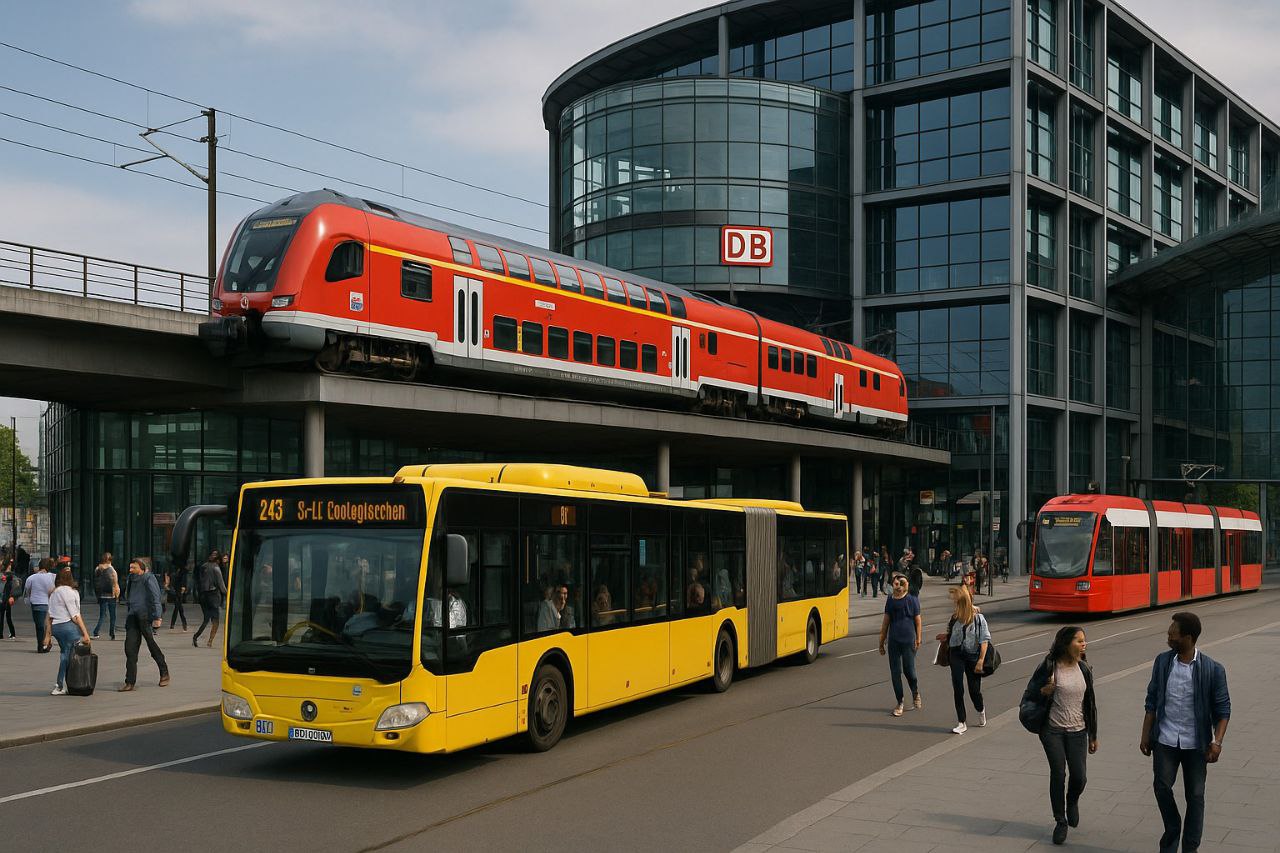
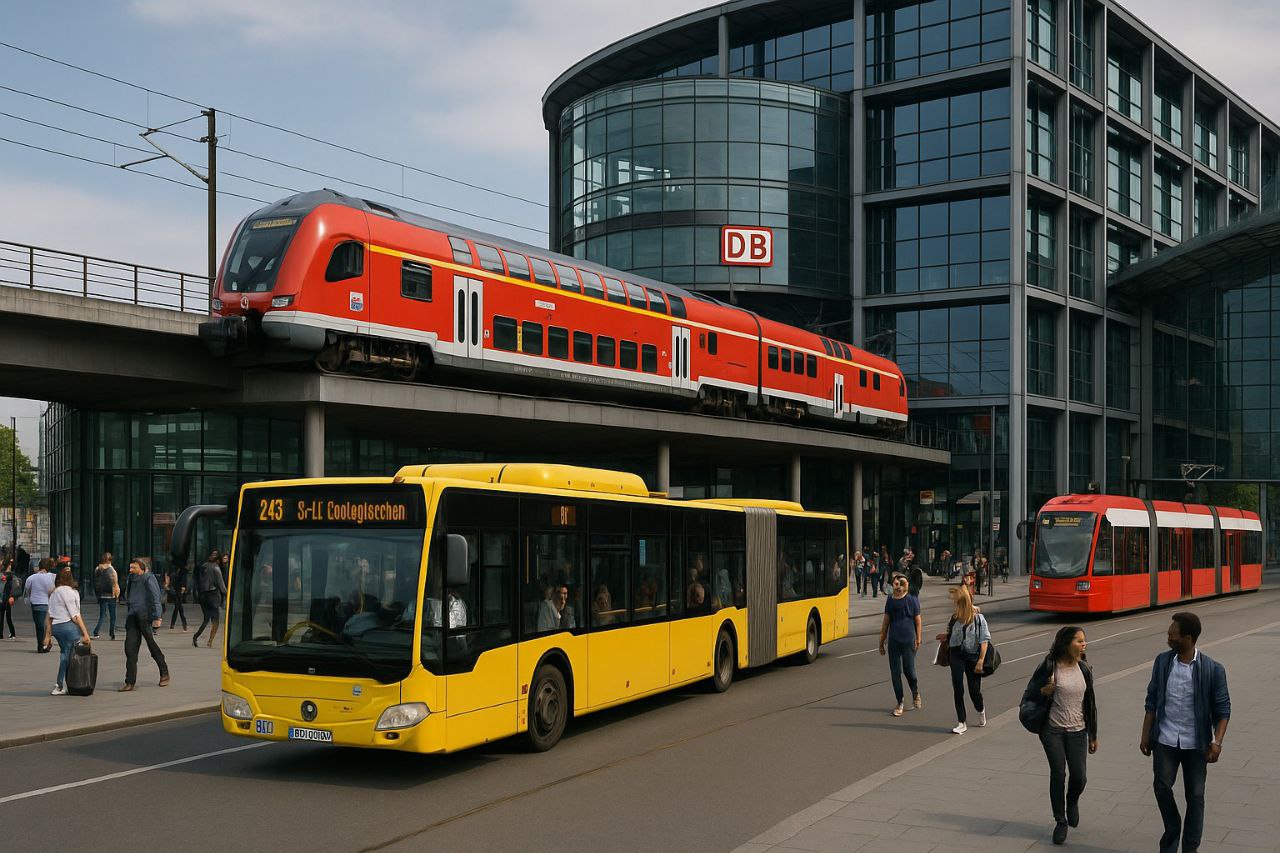
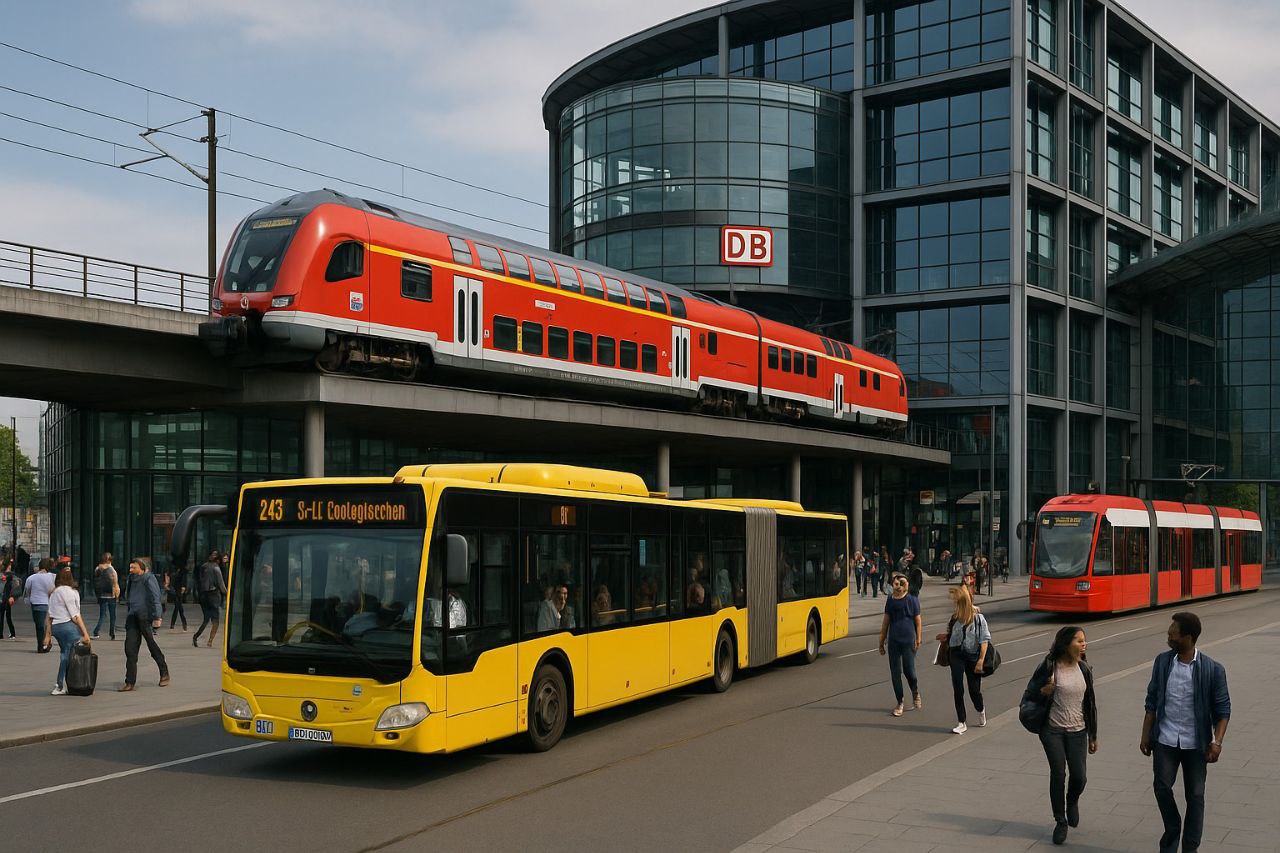
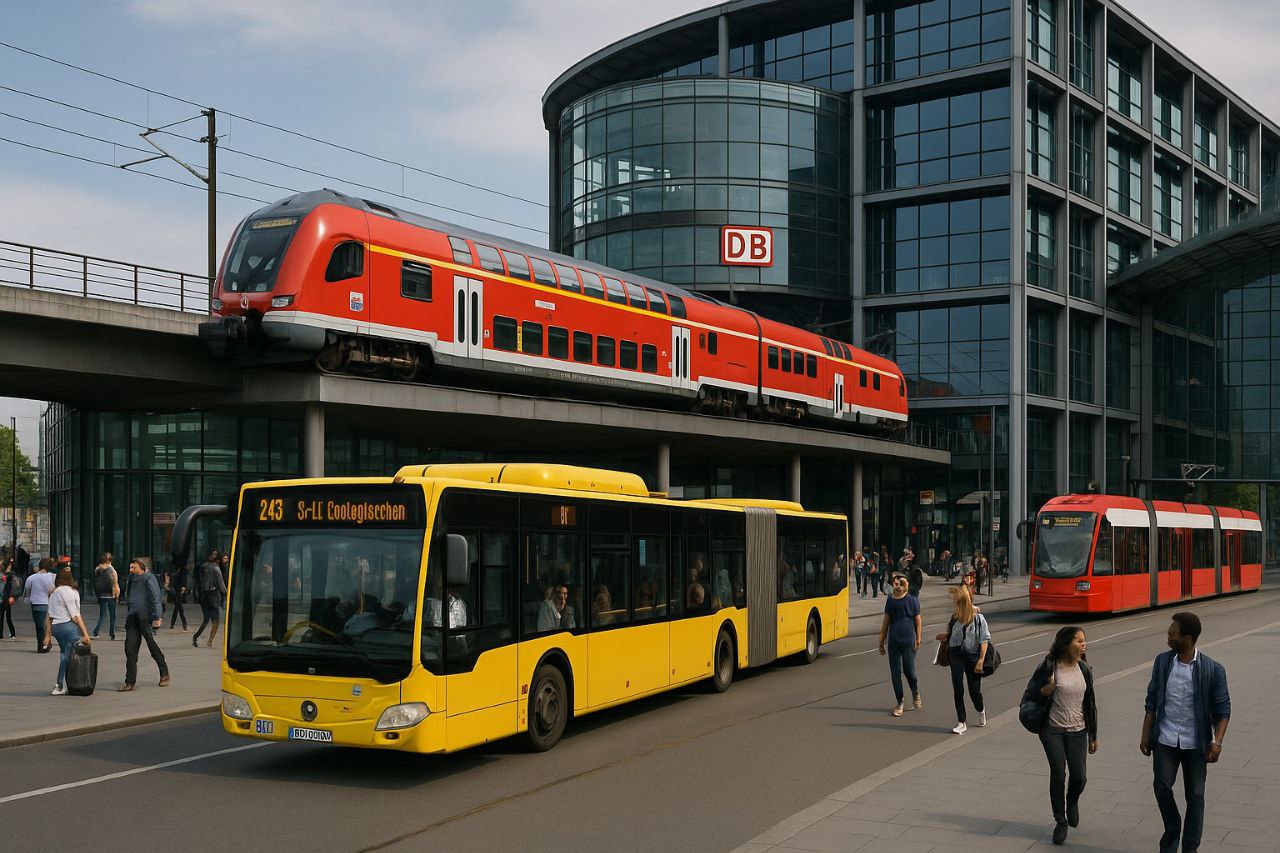
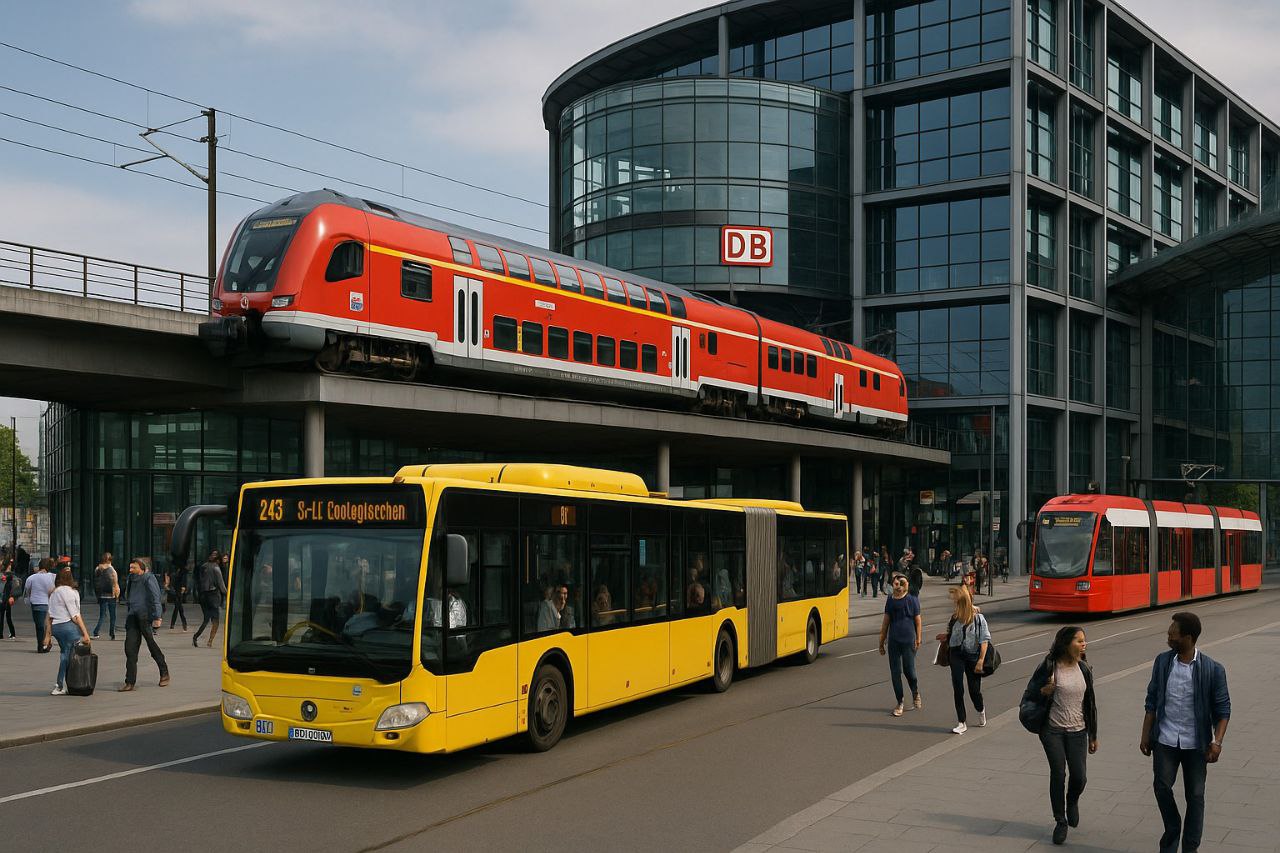
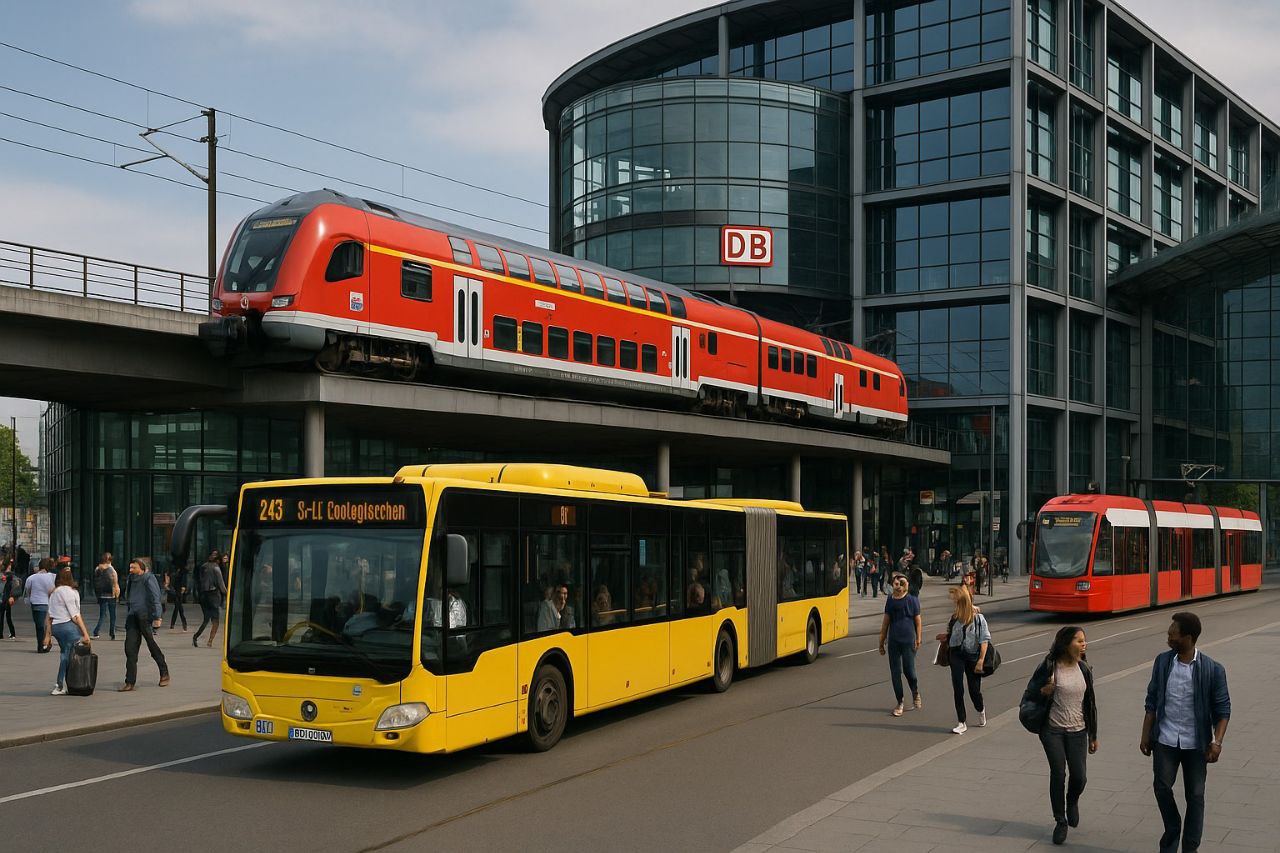
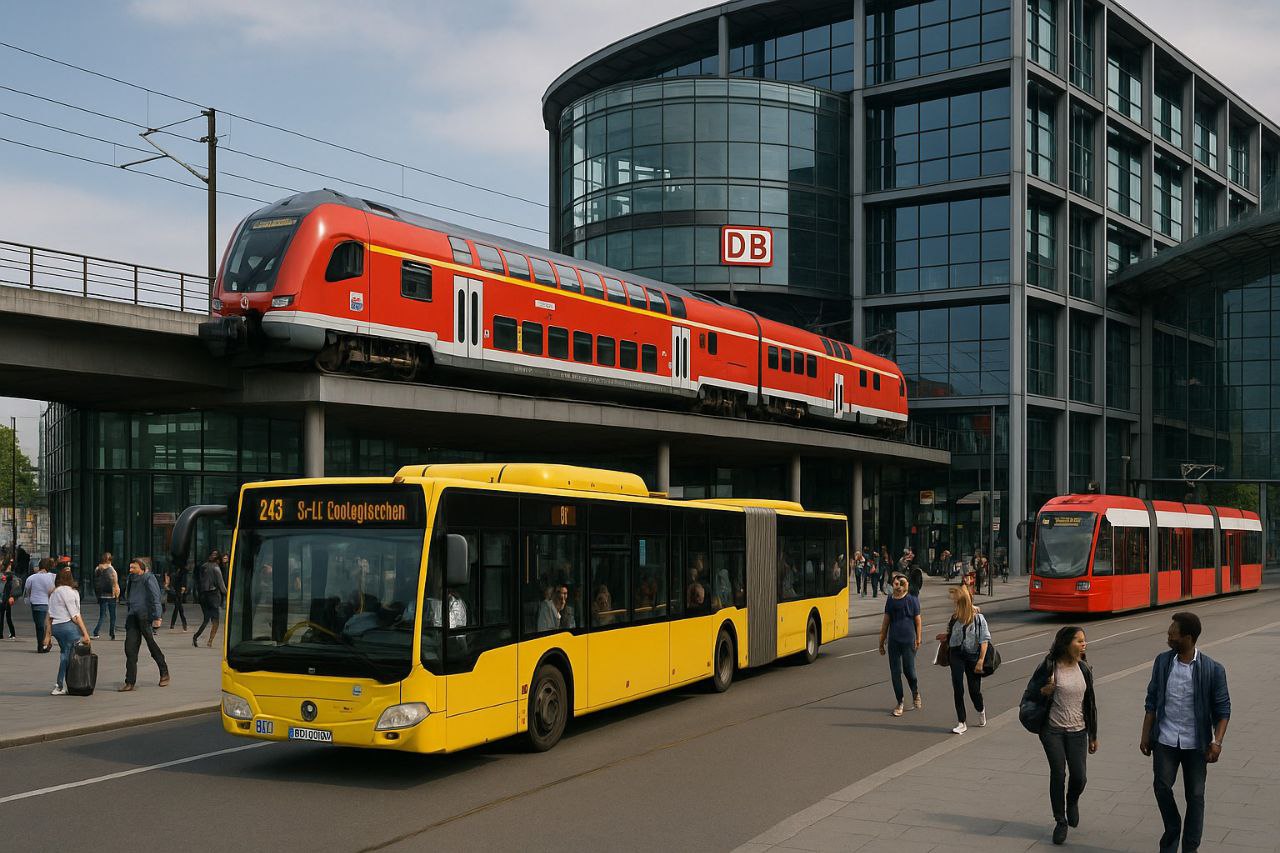
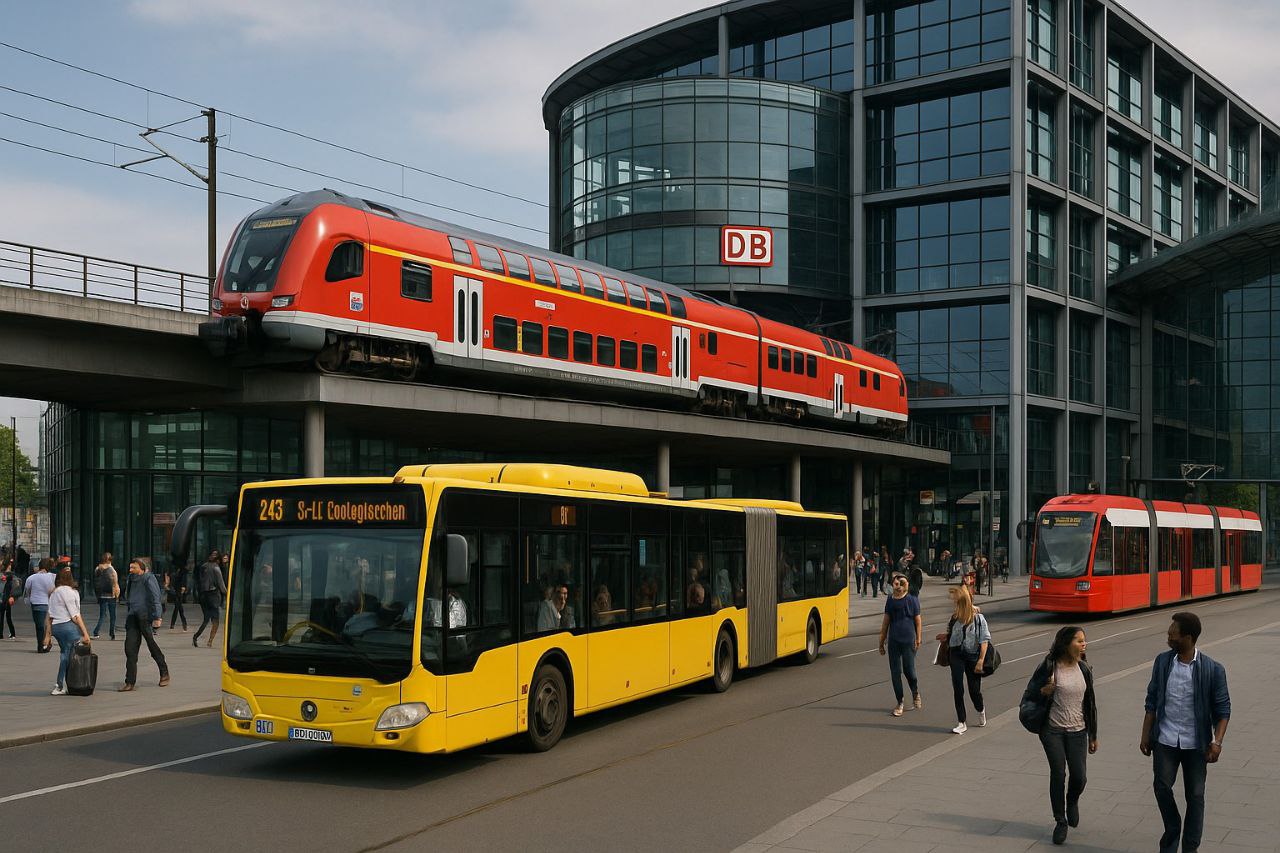
The S-Bahn network is one of the pillars of public transport in Germany. It connects the city center of major cities with the suburbs and surrounding areas, complementing regional trains and the metro (U-Bahn). In this article, you’ll learn everything you need to use this network efficiently and with ease.
What is the S-Bahn?
The name S-Bahn stands for Stadtschnellbahn, meaning “city rapid rail.” These networks operate in most major German cities such as Berlin, Munich, Hamburg, Frankfurt, Stuttgart, and more, and they are a preferred way to move quickly across large urban areas.
Unlike the U-Bahn, which is often concentrated in the inner city and covers shorter distances, the S-Bahn usually runs farther out, reaching outer districts and sometimes even neighboring towns.
Coverage and network
-
Berlin: One of Europe’s largest S-Bahn systems, with 16 lines, reaching areas such as Potsdam and Oranienburg.
-
Munich: Covers the greater Munich area and extends to Munich Airport, making it a key option for travelers.
-
Frankfurt: A strong network linking the city center to the Rhine-Main suburbs, serving millions of passengers daily.
-
Hamburg and Stuttgart: Offer broad coverage reaching nearby coastal or mountainous areas.
Tickets and prices
You can use local public transport tickets from the regional Verkehrsverbund on the S-Bahn, such as:
-
Single tickets (Einzelfahrschein): Valid for one trip within a defined zone.
-
Day tickets (Tageskarte): Unlimited travel for the day.
-
Weekly or monthly passes: Ideal for students and commuters.
-
Group tickets: Discounts when traveling as a group.
Tickets are available from ticket machines at stations or via official apps such as DB Navigator.
Frequency and schedules
S-Bahn trains run frequently: on most lines, trains depart every 10 to 20 minutes during peak hours, and sometimes every 30 minutes in the evening or on holidays. In some cities—such as Berlin—main S-Bahn lines operate 24 hours on weekends.
Comfort and services
-
Spacious seats and air conditioning on many modern trains.
-
Dedicated areas for bicycles and strollers.
-
Information screens showing upcoming stops and directions.
-
Bicycle transport on some lines may require an additional ticket.
Rules of conduct
-
Use designated doors and wait in an orderly way on the platform.
-
Keep noise down: avoid loud conversations and don’t play music without headphones.
-
Respect priority seating for passengers with disabilities and older people.
Tips for travelers
-
Check the line direction and stops before boarding, as some routes split into different branches.
-
Watch station displays for announcements about schedule or platform changes.
-
If you travel regularly, weekly or monthly passes can be more cost-effective.
Conclusion
The S-Bahn is an ideal choice for fast and safe mobility in Germany’s major cities and surrounding areas. With its reliability and broad coverage, it makes reaching your destination easy and offers an excellent alternative to driving and traffic congestion.
Knowing how the network works gives you real freedom of movement and helps you explore German cities comfortably and efficiently.
Disclaimer: The website’s writers and editors strive to provide accurate information through extensive research and multiple sources. However, errors may occur or some details may remain unconfirmed. Please treat this as initial guidance and always consult the relevant official authorities for verified information.