Login/Create Account

Everything You Need to Know About Regional Trains (RB & RE) in Germany
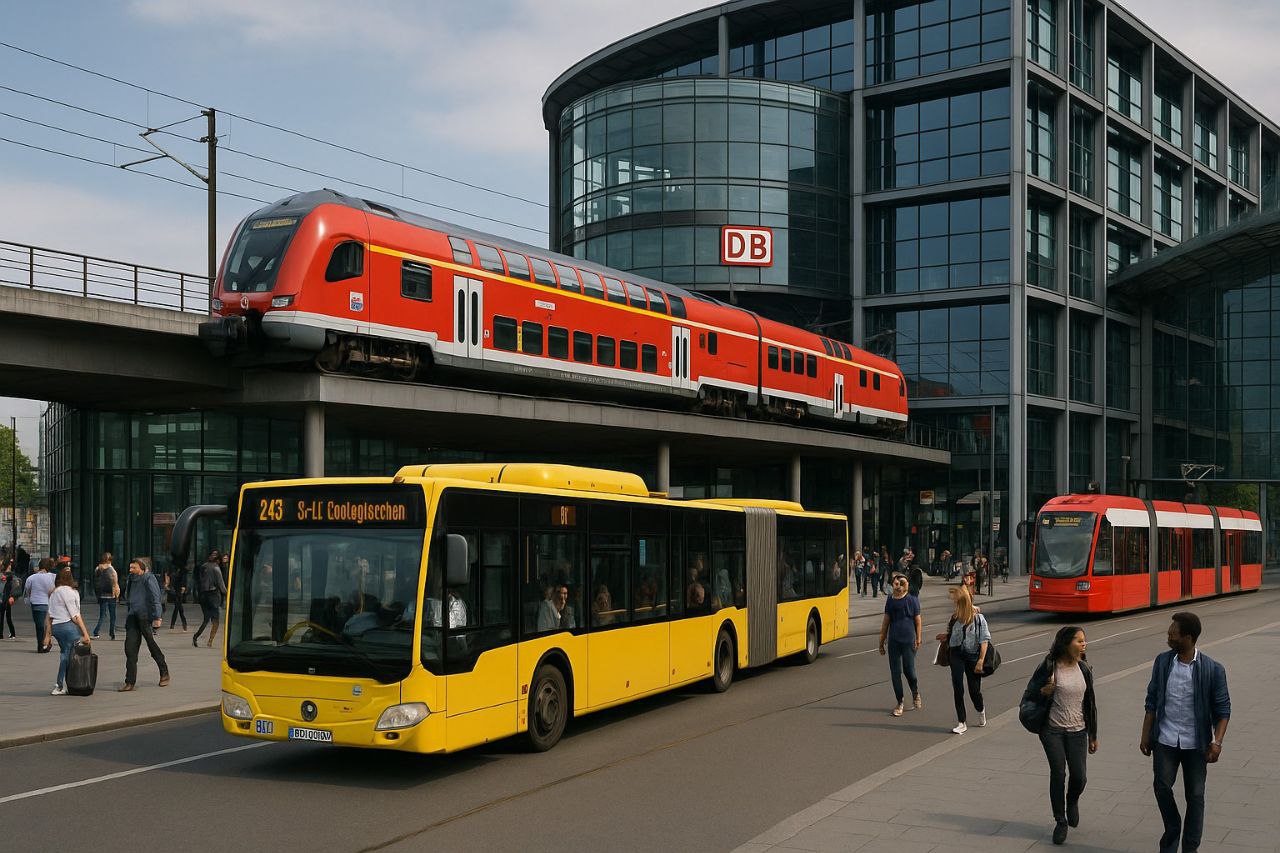
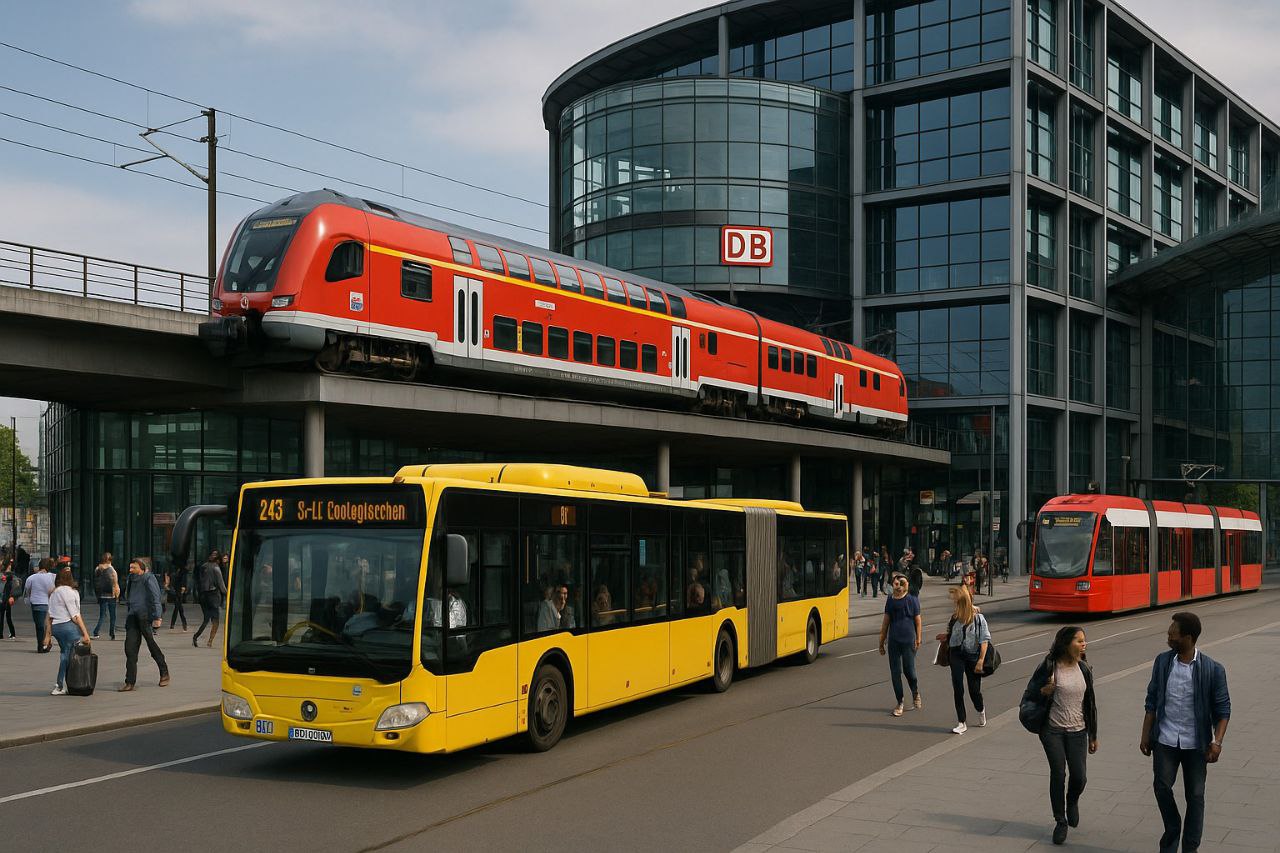
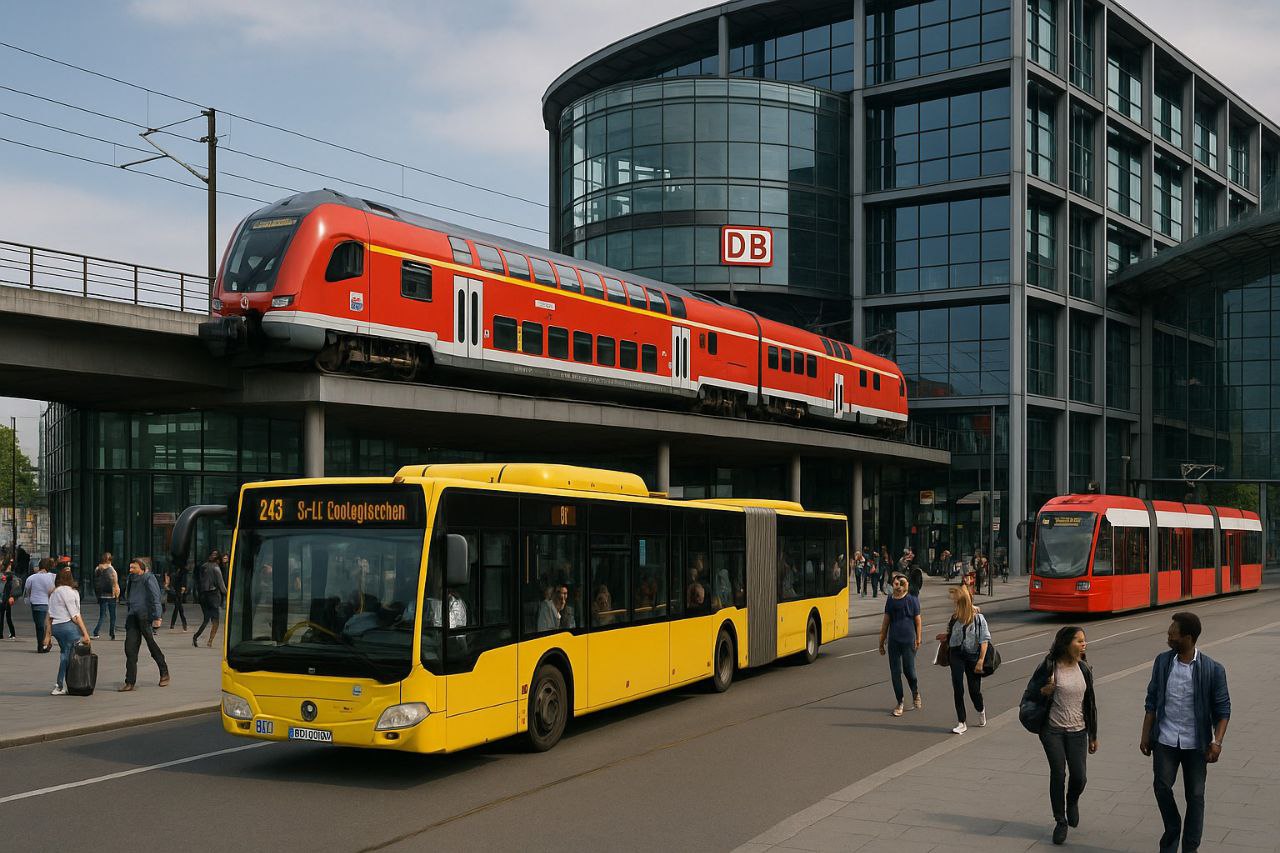
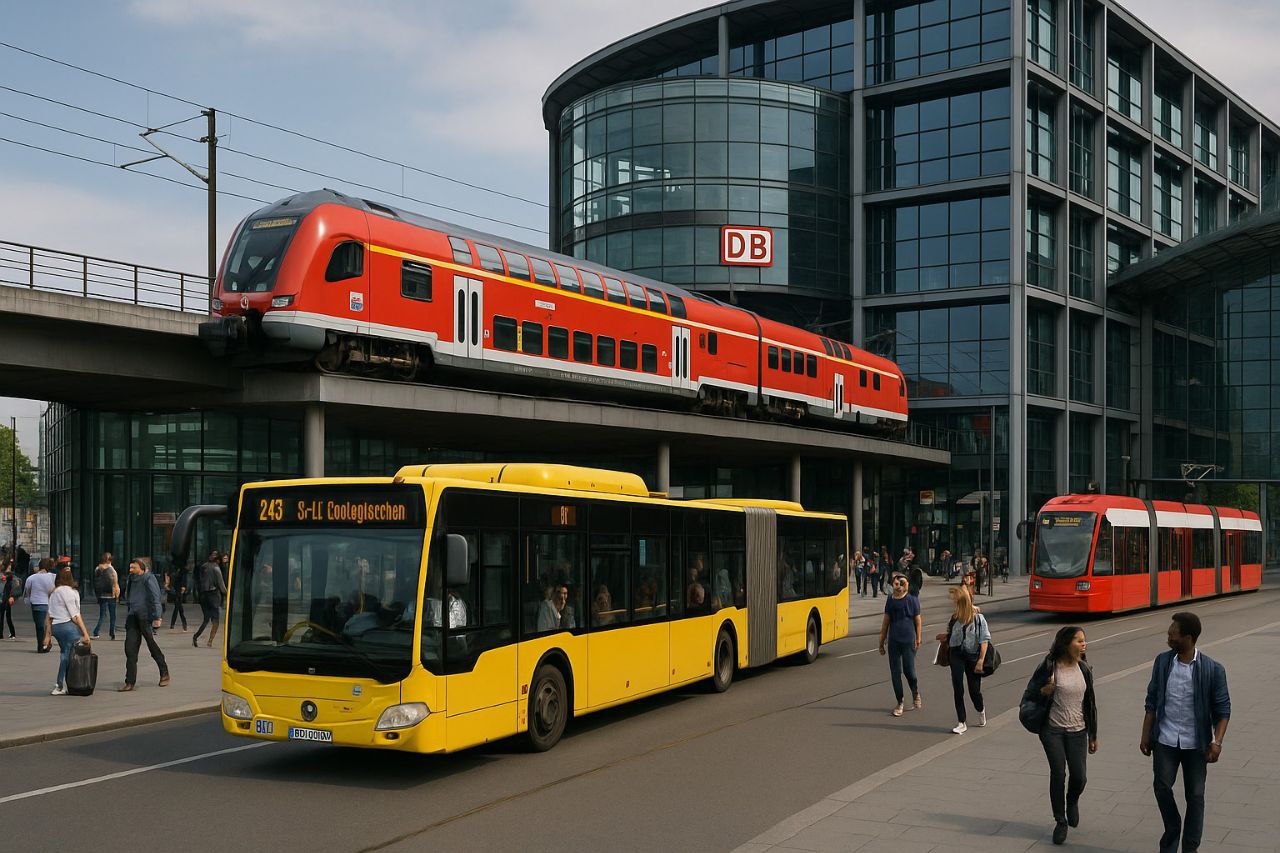
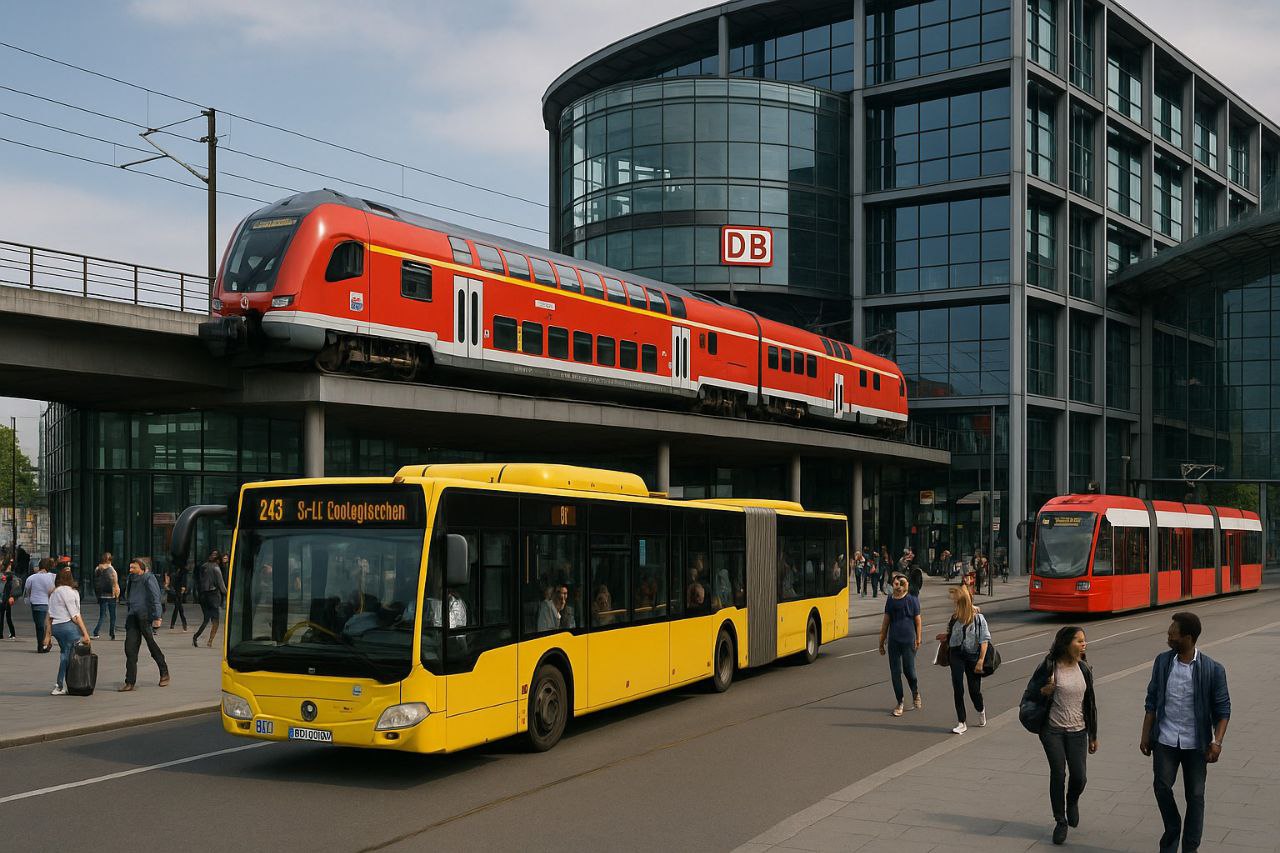
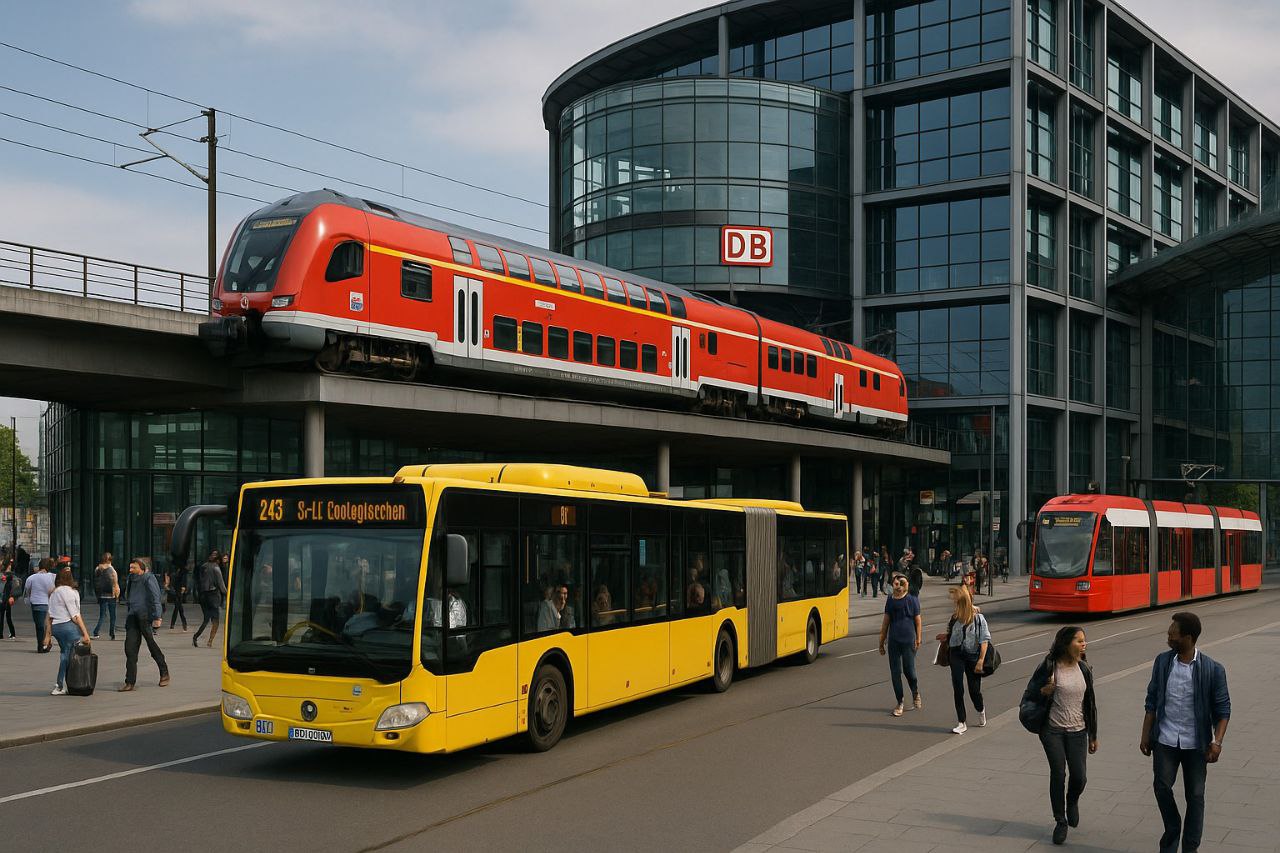
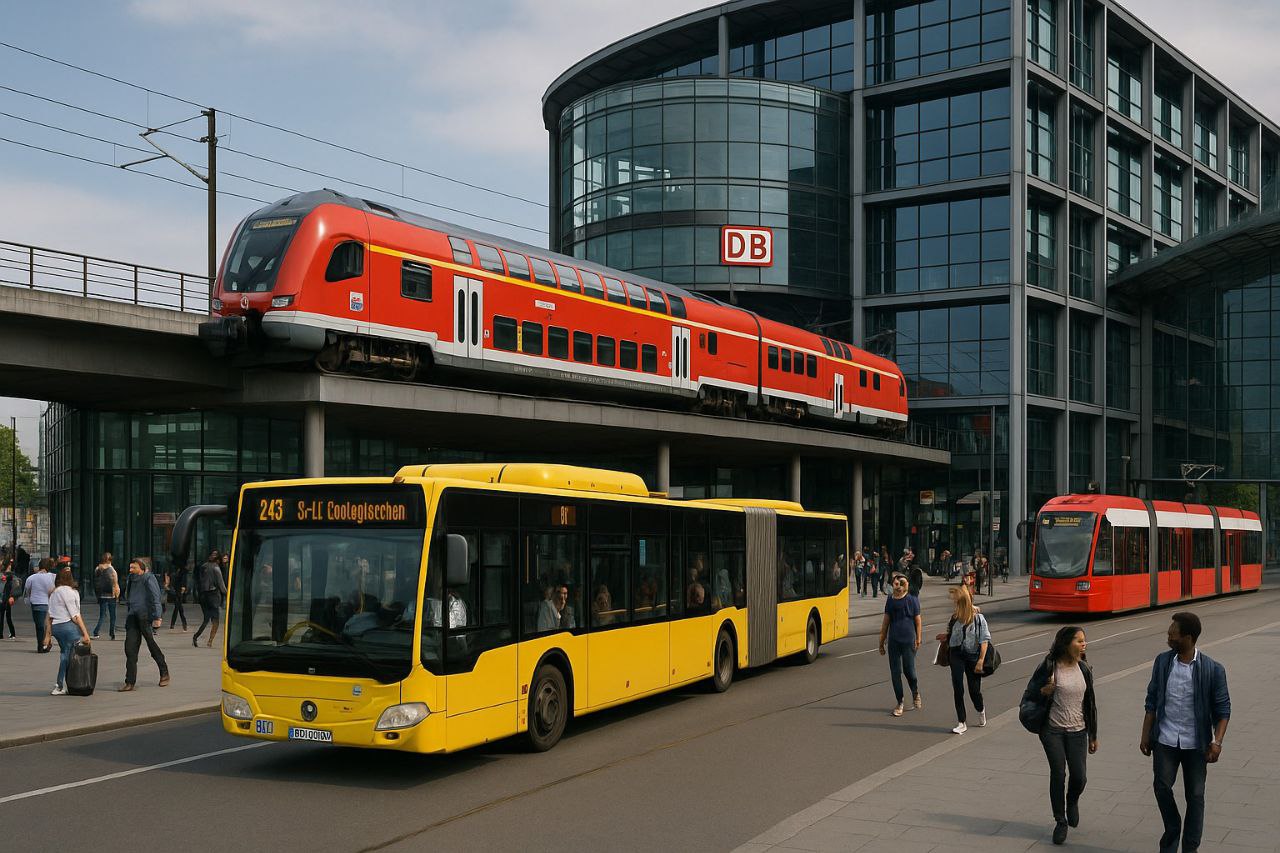
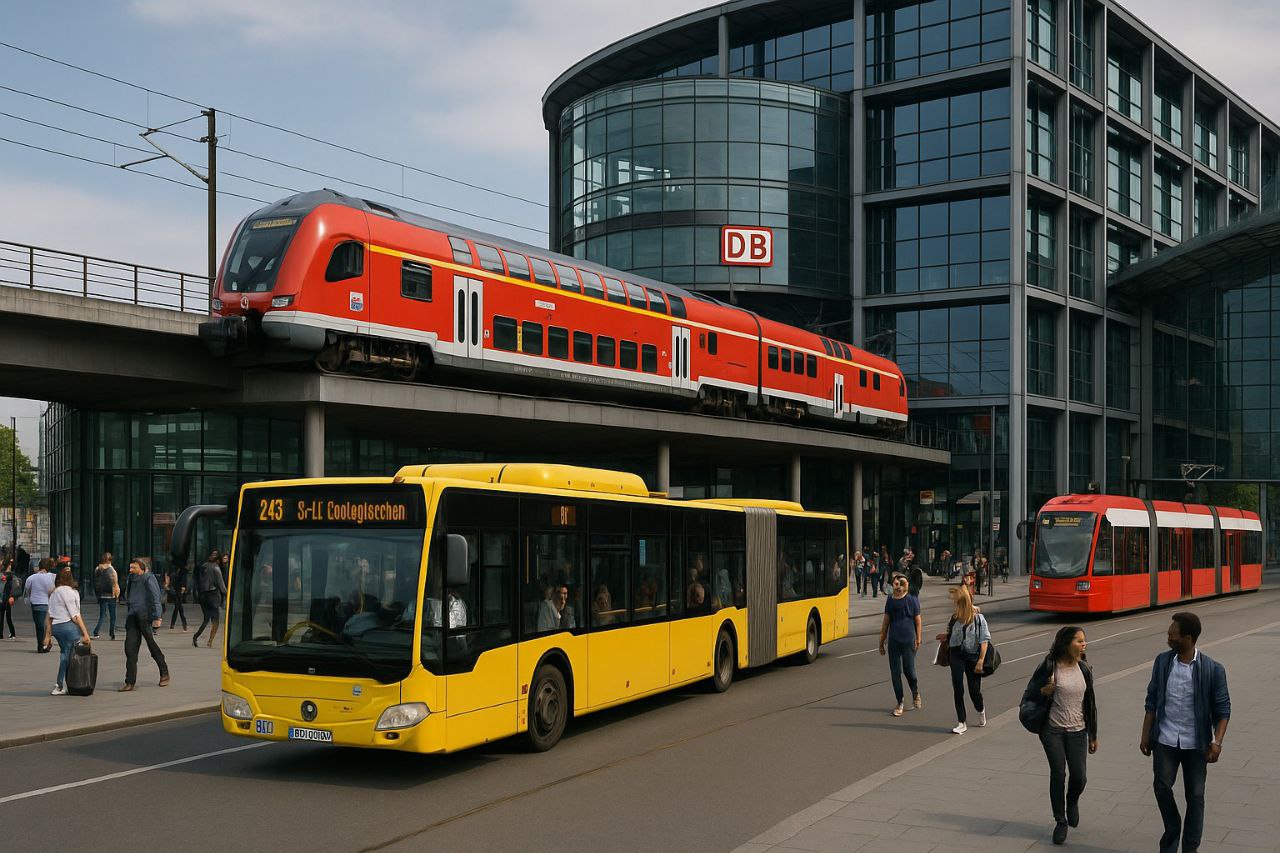
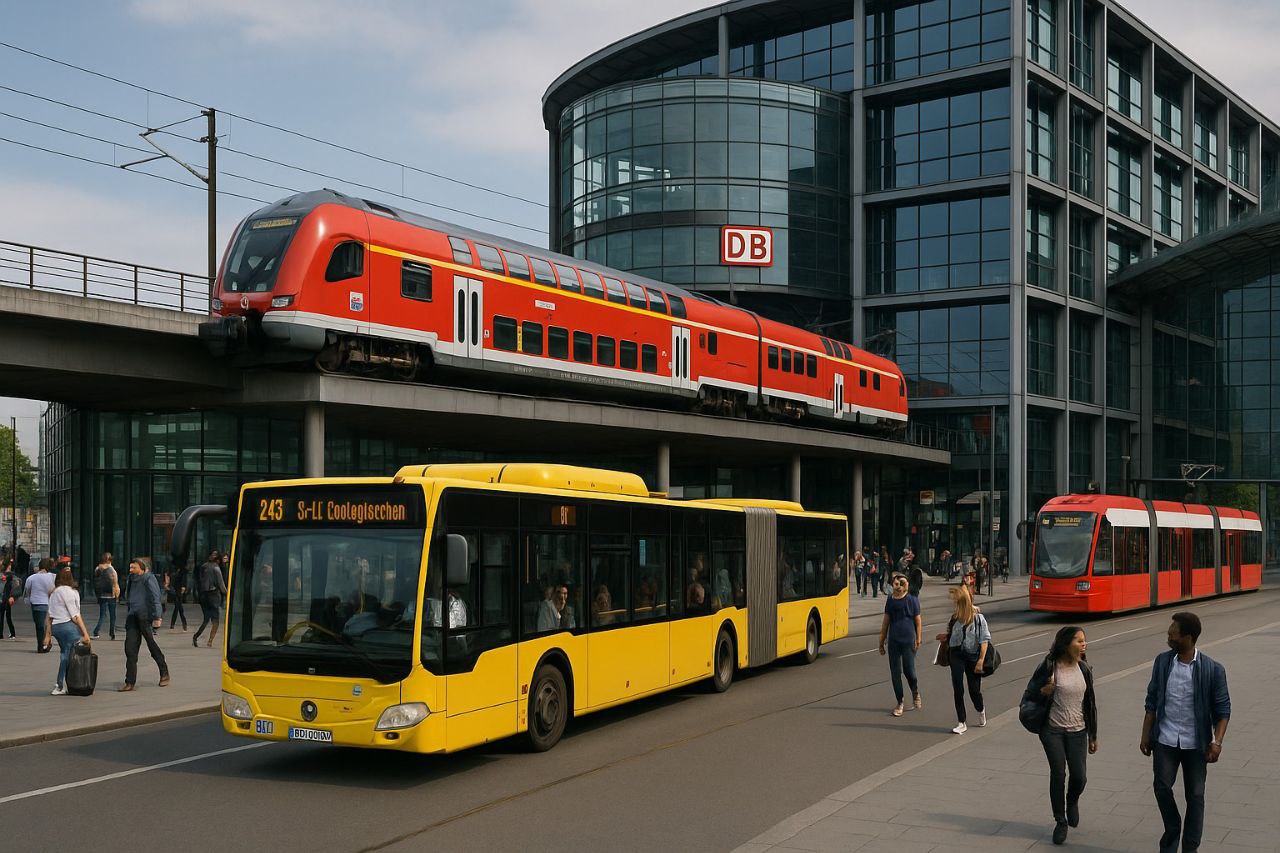
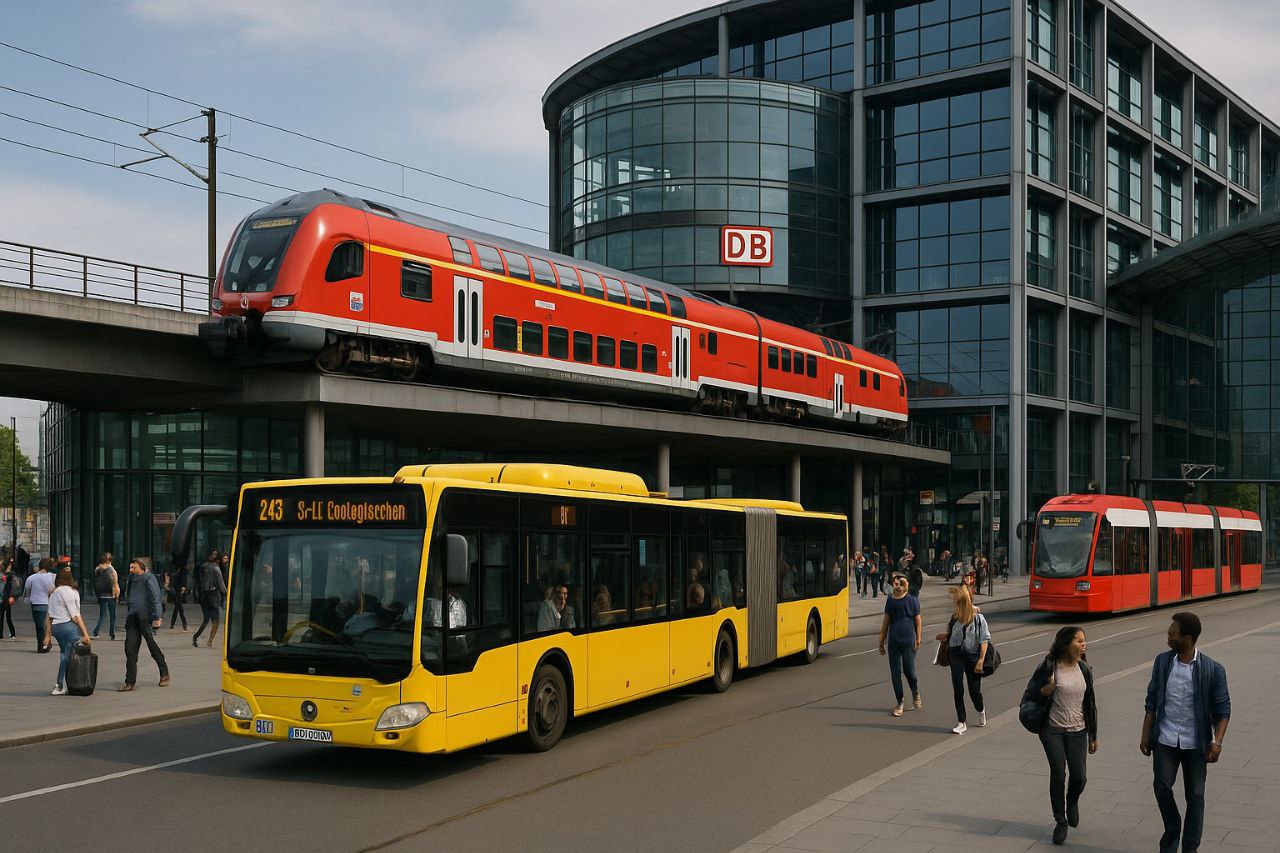
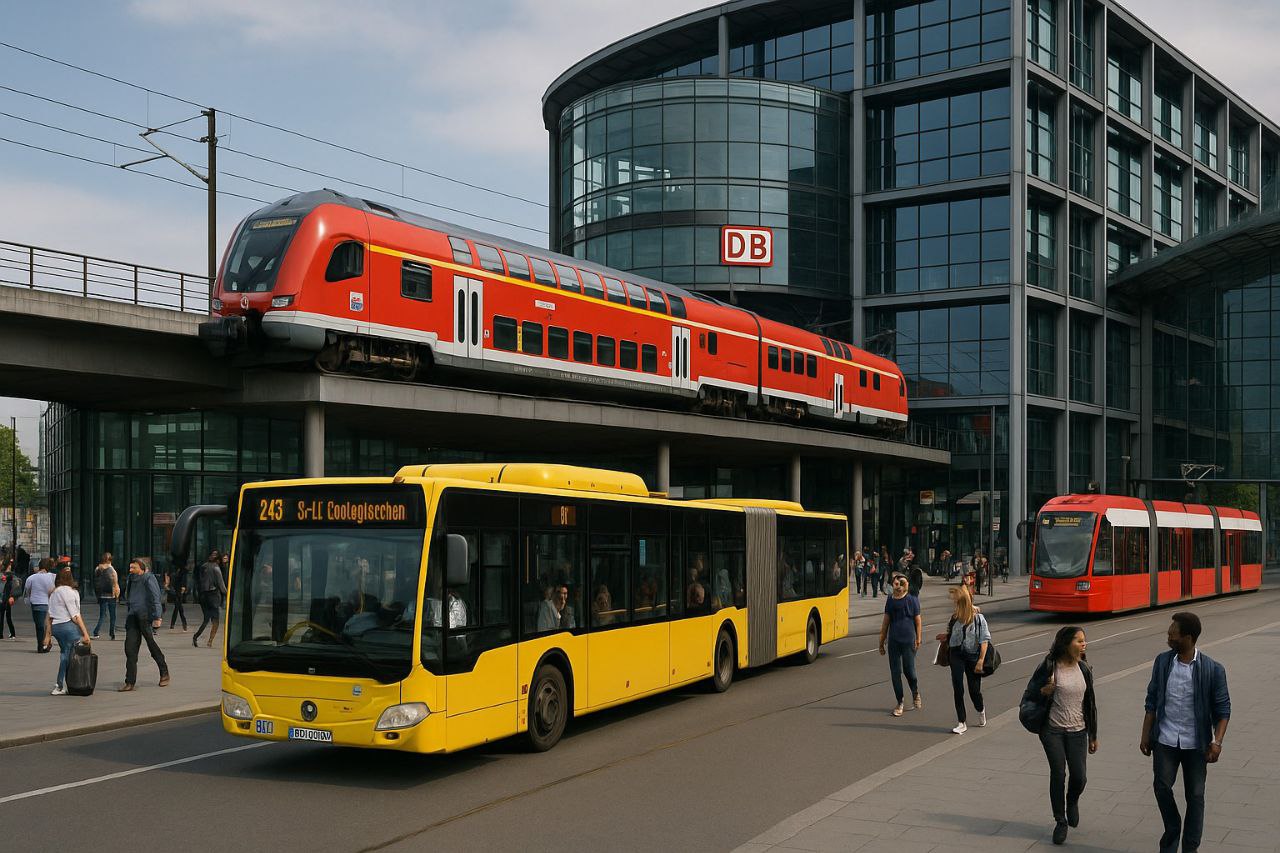
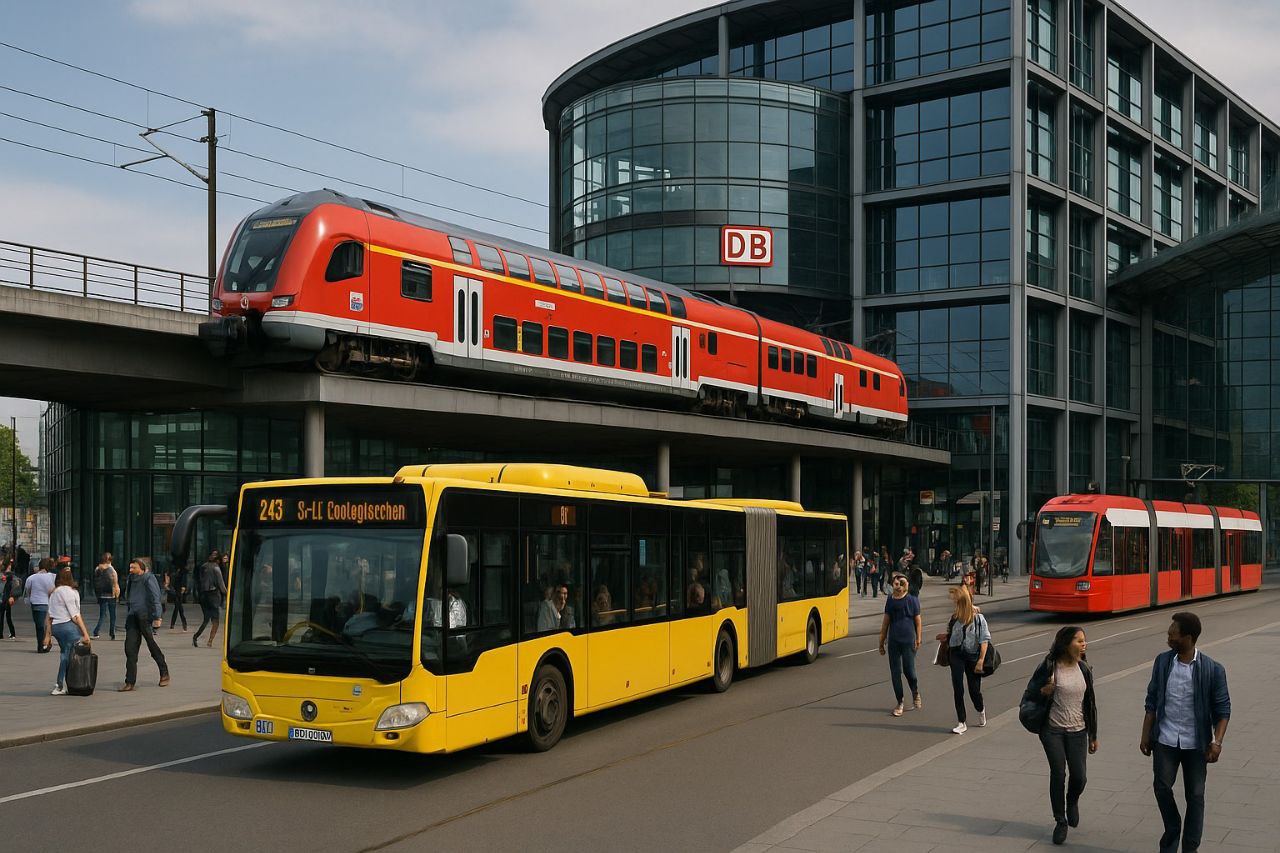
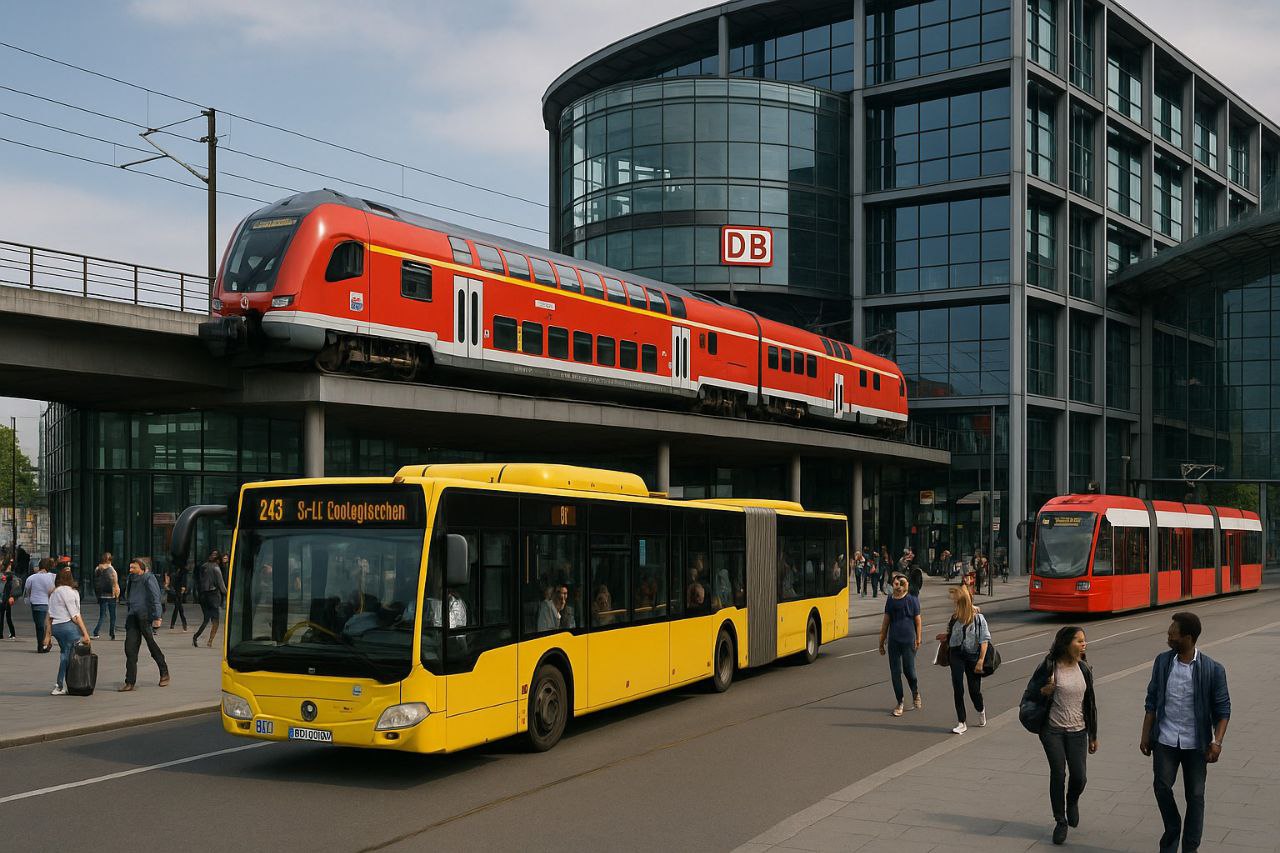
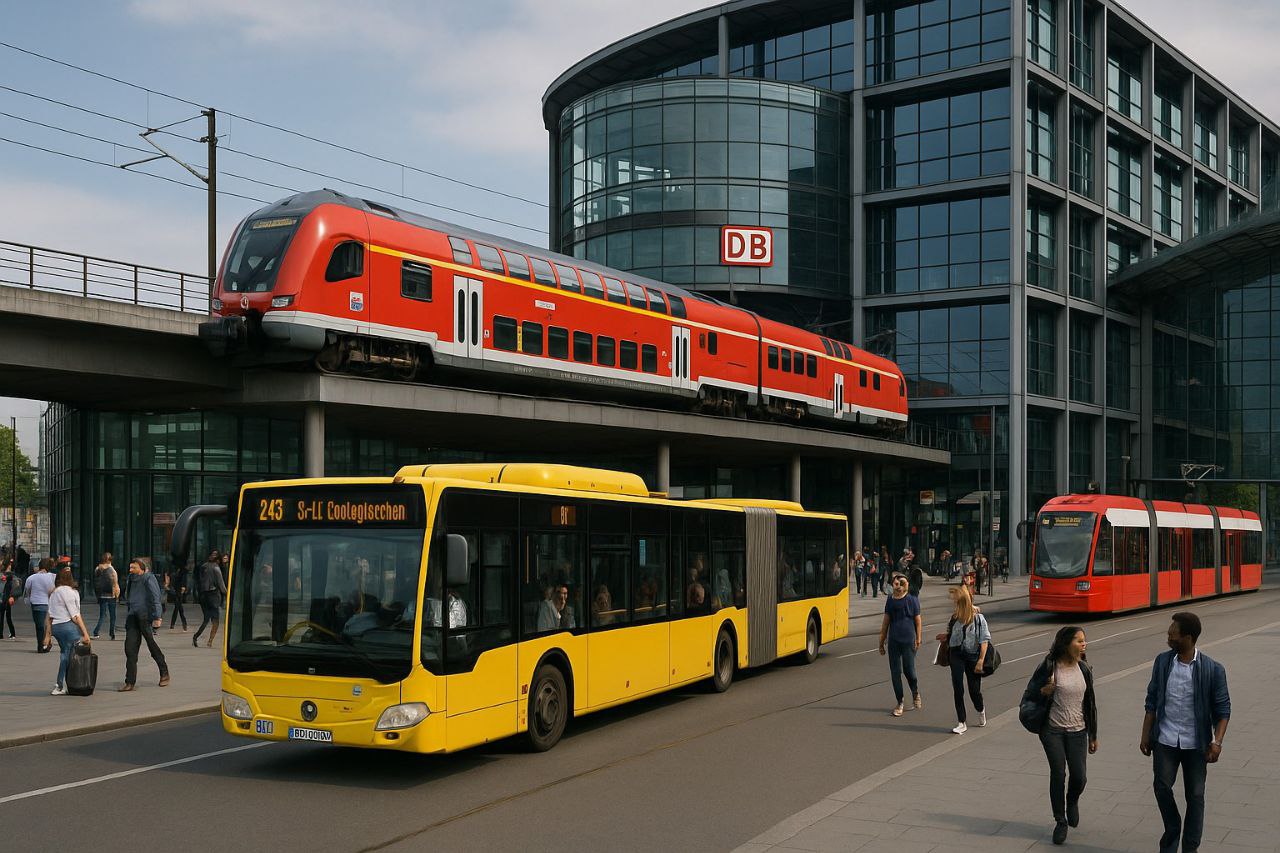
Germany’s rail network is among the most efficient and well-organized in Europe, offering different train types for city travel, regional connections, and long-distance journeys. Among the most popular options are Regionalbahn (RB) and Regional-Express (RE)—widely used for commuting to work and for day trips.
What are RB and RE trains?
Regionalbahn (RB)
RB trains are local services that stop at almost every station along their route. They are commonly used for short trips between small towns and villages, especially in rural areas or at smaller stops not served by other train types.
Regional-Express (RE)
RE trains are faster than RB because they skip some smaller stations and stop mainly at major stations. They are typically used for medium-distance travel and connect large cities with suburbs or nearby towns.
Advantages of regional trains
-
Affordable fares: Usually cheaper than long-distance trains like ICE or IC.
-
Frequent departures: On many routes, trains run every 30 to 60 minutes.
-
Wide coverage: They reach most parts of Germany, including small towns and stations not well served by other transport.
-
Local ticket compatibility: Many local tickets are valid on RB/RE, such as day tickets (Tageskarte), weekend tickets, or student passes (Semesterticket).
Tickets and payment
Tickets can be purchased:
-
from ticket machines at stations
-
at service counters (Reisezentrum)
-
via local transport apps or the Deutsche Bahn app
It’s important to buy your ticket before boarding, as traveling without a valid ticket can result in a fine of up to €60.
Comfort and services
-
Most RB and RE trains offer comfortable seating and space for luggage and strollers.
-
Many have bicycle areas, though some regions may require an extra bike ticket.
-
Typically, there is no restaurant service and often no first-class seating, as these trains are designed for short to medium regional travel.
Schedules and punctuality
Although German trains are known for punctuality, RB and RE services may still experience minor delays—especially during rush hours or due to maintenance work. It’s best to check schedules using DB Navigator or the electronic station displays.
Helpful tips for travelers
-
Watch the electronic boards carefully, as platforms and routes can sometimes change.
-
If you’re traveling with a bike, check in advance whether reservations are needed and how many spaces are available.
-
Keep your ticket accessible throughout the trip—inspections can happen at any time.
Conclusion
RB and RE trains are an ideal choice for affordable and flexible travel across Germany. They combine comfort, frequent service, and access to areas not easily reached by other transport options—making them essential for many residents and visitors.
By understanding how these trains work and what they offer, you can enjoy smoother trips and explore German cities and villages with ease.
Disclaimer: The website’s writers and editors strive to provide accurate information through extensive research and multiple sources. However, errors may occur or some details may remain unconfirmed. Please treat this as initial guidance and always consult the relevant official authorities for verified information.