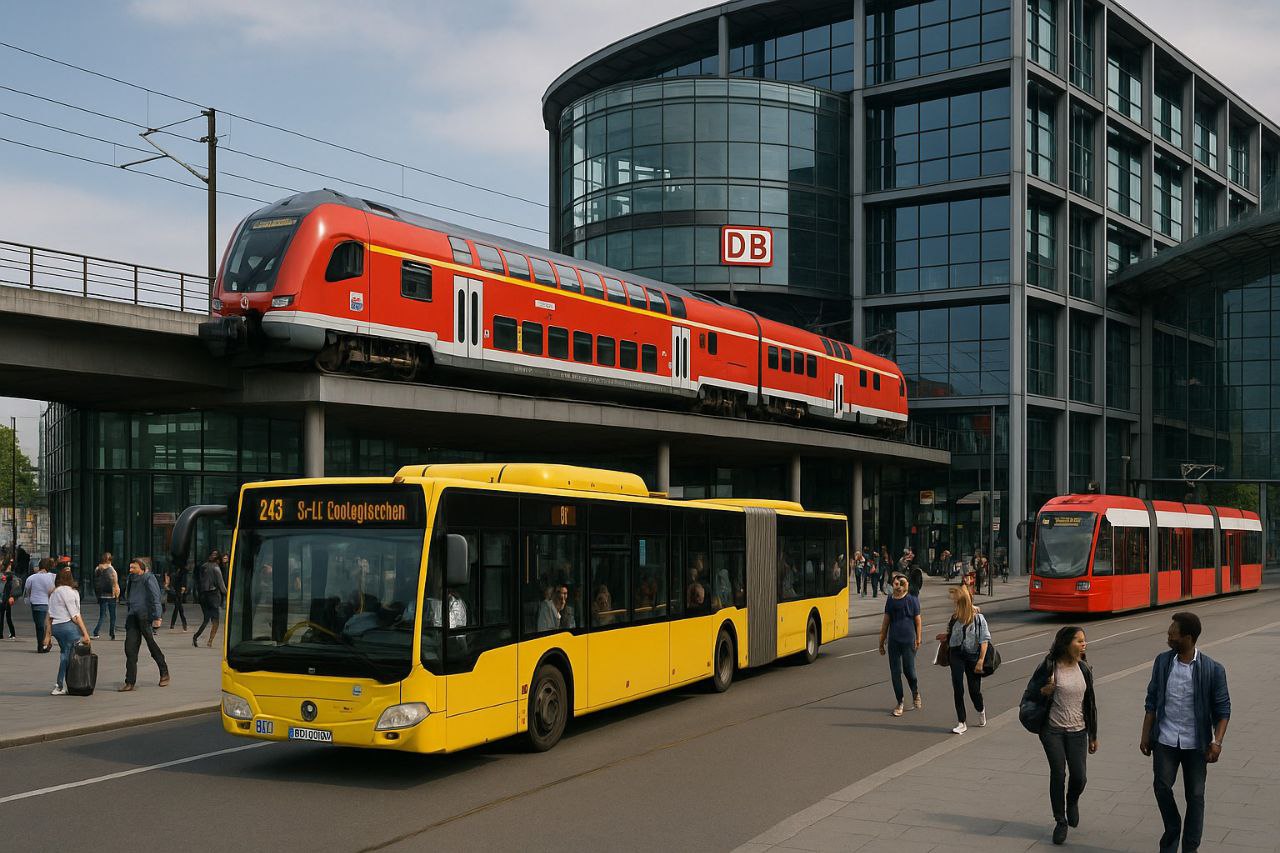
The Jobticket in Germany: A Comprehensive Guide
The Jobticket in Germany is considered one of the most practical and innovative solutions to help employees save on commuting costs. It is a public transport ticket subsidised by the employer (the company), enabling staff to use public transport at a reduced price compared to standard tickets. By 2025, the importance of the Jobticket has grown even further, driven by rising awareness of sustainable mobility and the need for economical, environmentally friendly means of transport. In this article, you’ll find a complete and detailed explanation of the Jobticket – from its definition and purpose to the practical steps for obtaining it and its key benefits.
What is the Jobticket?
The Jobticket (sometimes also called Firmenticket or Firmenabo) is a public transport subscription that employees can obtain at a discounted price through an agreement concluded between their employer (the company) and the local or regional transport operator.
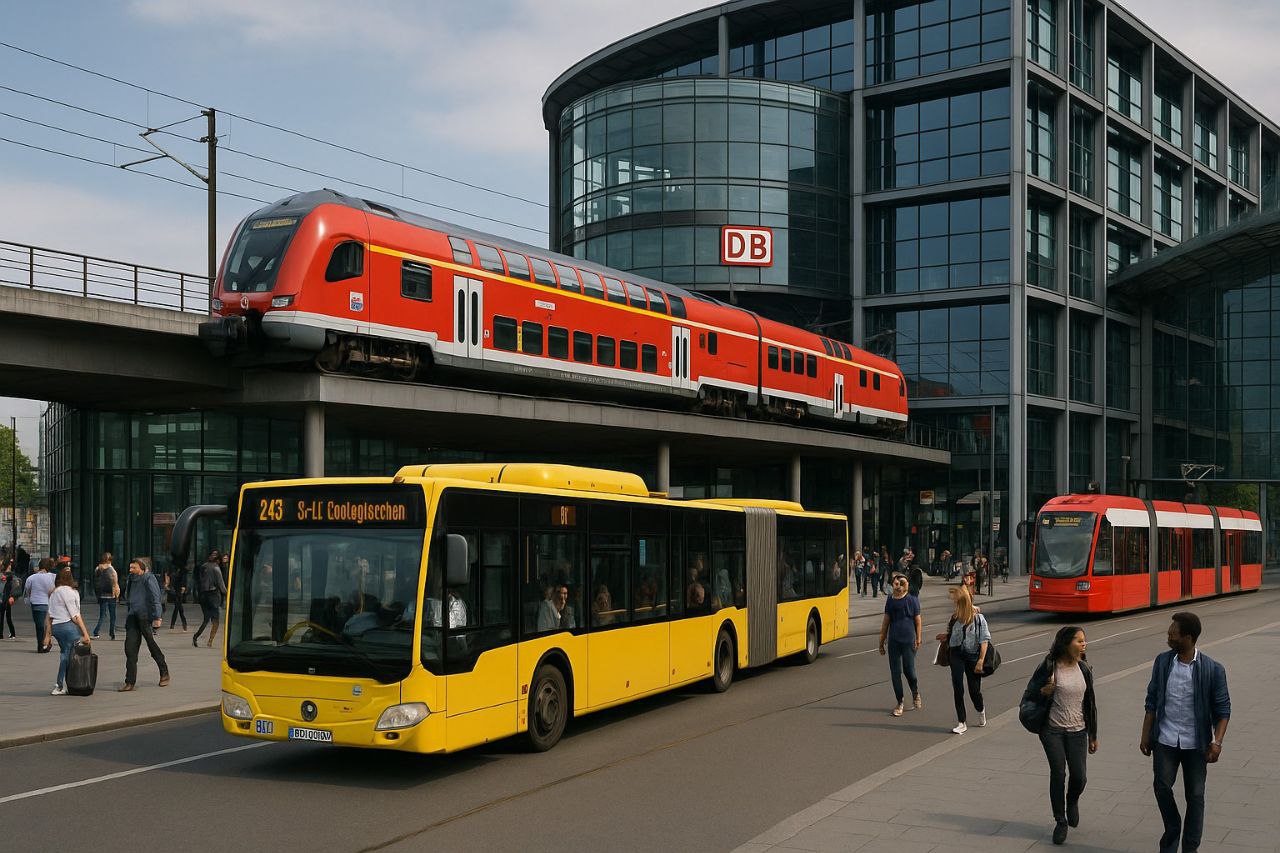
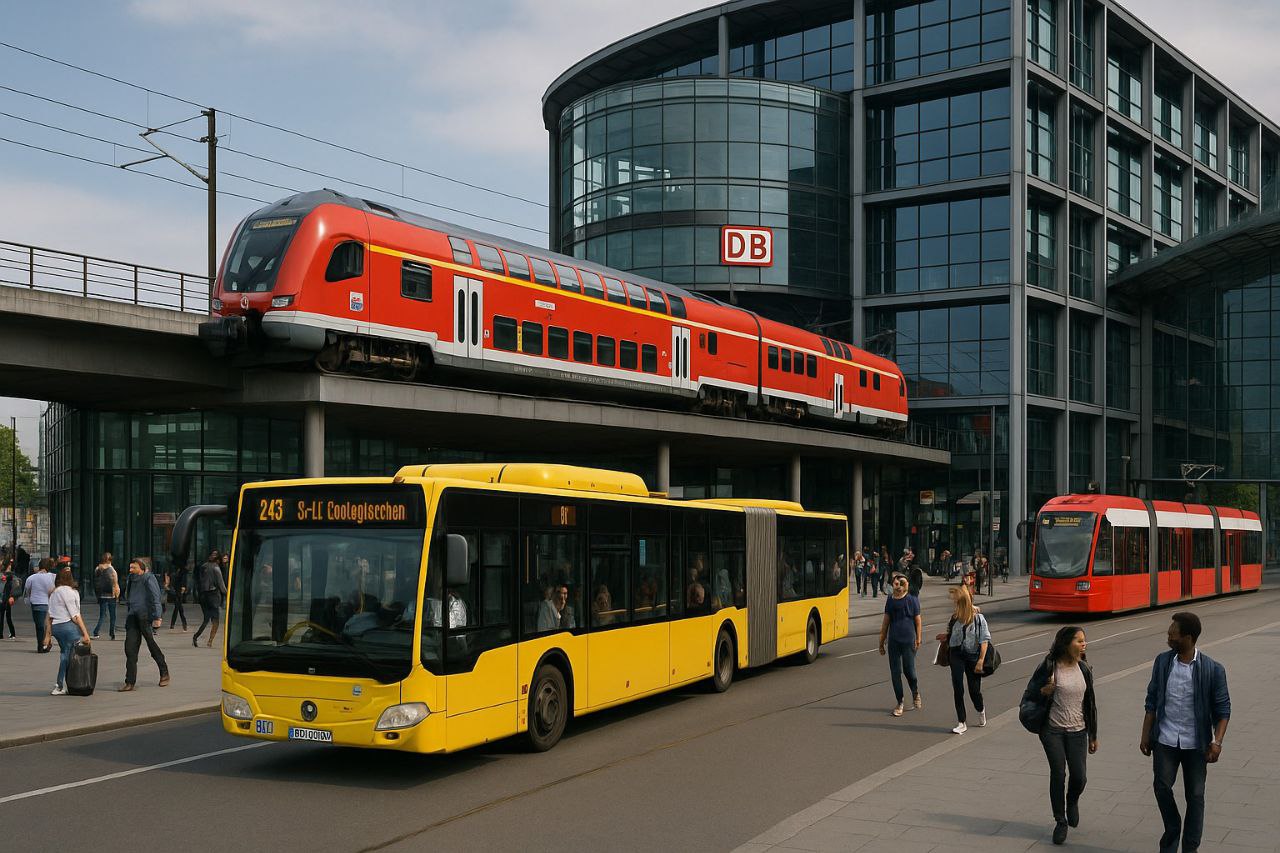
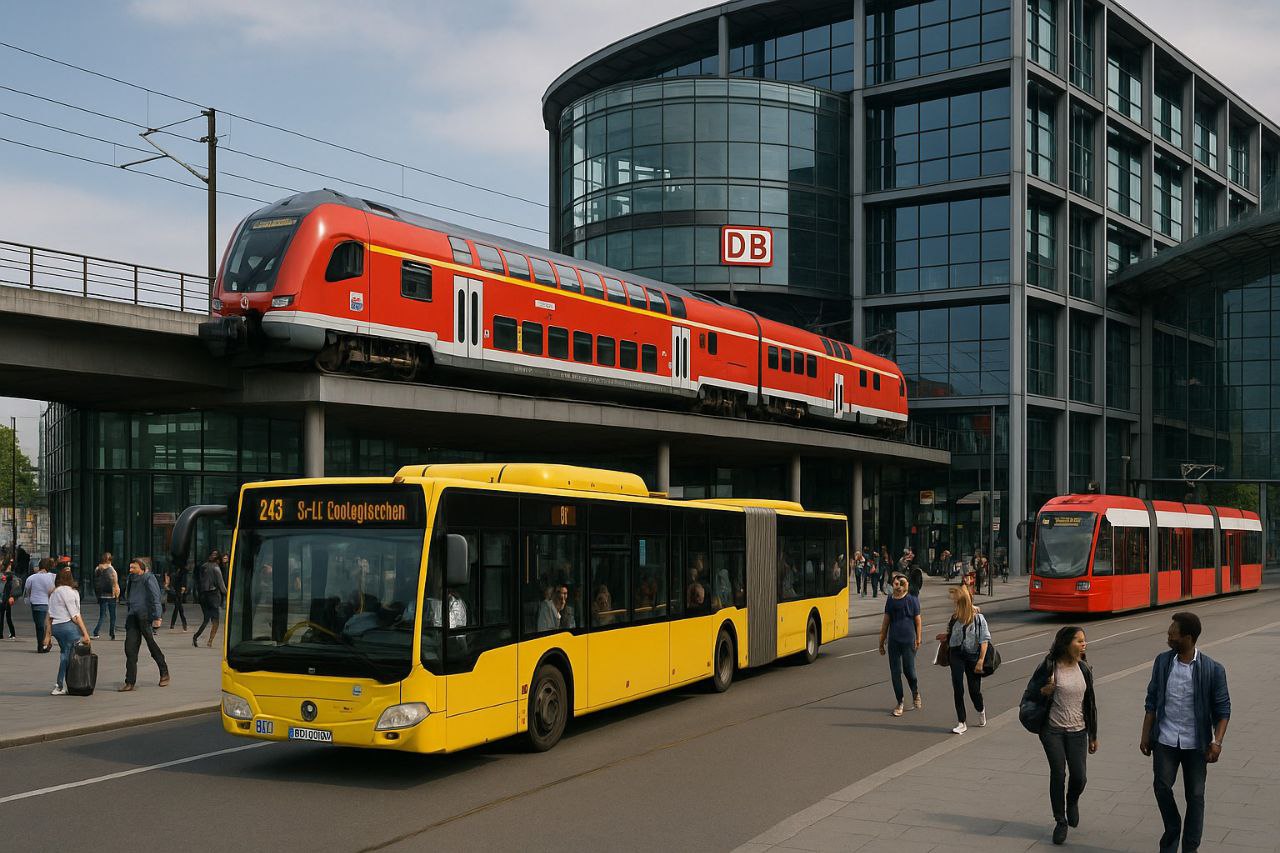
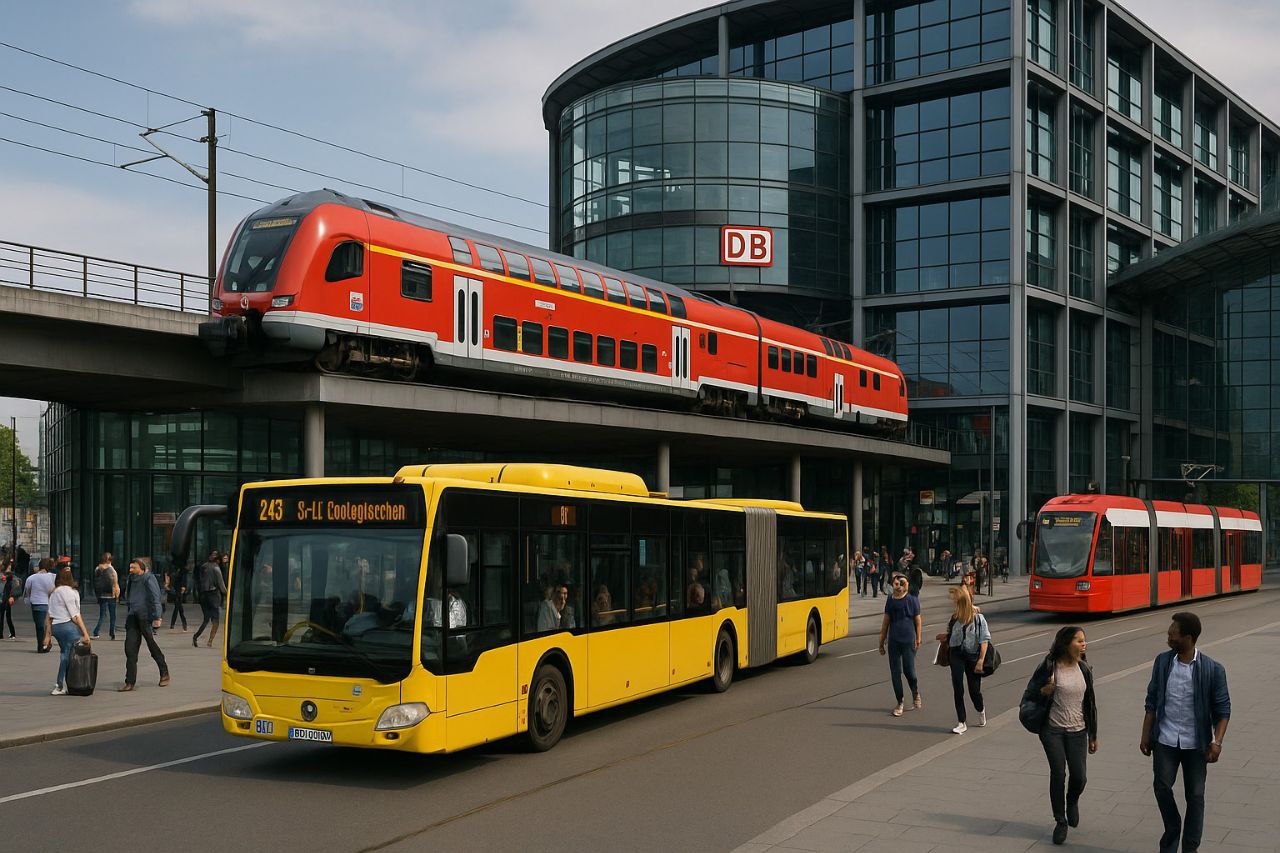
Depending on the agreement, this subscription allows employees to use buses, regional trains, underground trains, suburban trains and trams within a defined geographical area. This makes it easier and cheaper to travel to and from work, as well as to other destinations within the ticket’s validity zone.
The importance of the Jobticket in 2025
Promoting sustainable mobility:
Germany actively encourages the use of public transport to reduce road congestion and cut CO₂ emissions. The Jobticket is an important instrument within this strategy.
Saving costs:
Compared with monthly or daily regular tickets, the Jobticket can save employees a significant amount of money each month or year, as part of the cost is covered by the employer.
Attracting talent:
In a highly competitive labour market, offering a Jobticket is an extra benefit that can make an employer more attractive and help the company recruit and retain qualified staff.
Reducing stress and pressure:
Lower transport costs and a reliable commute contribute to higher job satisfaction and can help employees work more efficiently and with less stress.
How to obtain a Jobticket
Agreement between the company and the transport provider:
The first step is a framework agreement between the employer and the local or regional public transport operator. Without such an agreement, employees cannot usually subscribe to a Jobticket.
Registration via the HR department:
Employees who are interested in a Jobticket should contact the Human Resources (HR) department to obtain detailed information and learn about the necessary steps.
Choosing the type of subscription:
Depending on the local scheme and the company’s arrangements, several options may be available, for example:
Monthly subscription
Annual subscription
One-off payment covering a defined period
Payment of costs:
In many cases, the employee’s share of the Jobticket is deducted directly from the monthly salary. In other models, a one-off reduced payment for an annual ticket may be agreed – the exact method depends on the company’s policy and the transport operator’s conditions.
Coverage area of the Jobticket
Local and regional public transport:
The Jobticket usually covers a broad network of public transport – buses, trams, underground and suburban trains, as well as regional trains (such as S-Bahn, RE, RB) – within the agreed tariff zone or transport association.
Extended validity:
Some offers allow the holder to extend the ticket’s validity to neighbouring zones, cities or even federal states for a relatively small additional fee.
Exclusion of long-distance trains:
Long-distance trains such as ICE, IC or EC are typically not included in the Jobticket, unless a special offer or additional agreement explicitly covers long-distance travel.
Cost of the Jobticket and possible discounts
Reduced prices:
Employees usually receive a discount of around 10% to 30% or even more, depending on how much the employer contributes. In some cases, the company covers a large part of the actual price, leaving the employee with only a relatively small share to pay.
Coordination with the Deutschlandticket:
After the introduction of the Deutschlandticket at a fixed monthly price (around 58 euros), some companies decided to grant an additional subsidy so that employees could obtain this nationwide ticket as a discounted Jobticket.
Additional promotions:
At times, transport operators launch special discounts on annual subscriptions or seasonal campaigns, which can make the Jobticket even more attractive and increase the financial benefit for employees.
Advantages of the Jobticket for employees and expatriates
Significant financial savings:
The Jobticket helps to noticeably reduce commuting expenses, especially for people living in big and expensive cities such as Munich or Frankfurt.
Easier mobility:
Within the ticket’s validity area, holders usually enjoy the freedom to travel without time limitations and without paying extra fares.
Supporting job stability:
By lowering the burden of commuting costs and making travel more predictable, the Jobticket can enhance job satisfaction and reduce staff turnover.
Encouraging cultural integration:
For foreign employees, the Jobticket is a great way to explore cities, move around safely and get to know German culture at a lower transport cost.
Frequently asked questions (FAQ)
1. Can an employee cancel the Jobticket?
Yes. Generally, a Jobticket subscription can be cancelled, but notice must be given within a specific period before automatic renewal or the end of the contract term. The exact conditions depend on the transport provider and the employer’s internal rules, so it is important to check the contract or ask the HR department.
2. Can family members or friends use the Jobticket?
In most cases, the Jobticket is personal and non-transferable. However, some tariffs allow a second person to travel for free at certain times (often at weekends or in the evenings). It is therefore advisable to check the specific terms and conditions of the ticket.
3. What is the difference between the Jobticket and the Semesterticket?
Jobticket: Aimed at employees; it is issued on the basis of an agreement between the employer and the transport operator.
Semesterticket: Aimed at students; it is usually included in the semester contribution they pay to their university.
Both ticket types are designed to lower transport costs and promote the use of public transport.
4. Does the Jobticket cover night services?
In most cities, the Jobticket is valid on night buses and night trams. Nevertheless, passengers should always check the network map and the detailed ticket conditions to be sure that night services are fully included.
5. Do I need to carry ID when using the Jobticket?
It is always advisable to carry an ID card or another official document, because discounted personal tickets may be checked to confirm that they are being used by the entitled person.
Tips to make the most of your Jobticket
Stay in touch with HR:
Ask the HR department for details on coverage, renewal conditions and cancellation deadlines.
Use smart transport apps:
Apps like DB Navigator and local transport apps help you plan routes, check departure times and use your Jobticket to its full potential.
Watch out for additional discounts:
Keep an eye on special promotions and limited-time offers from transport operators so you can benefit from even lower prices.
Make the most of weekends:
If your Jobticket has extended validity at weekends or on holidays, plan trips and explore new places within the covered area.
The future of the Jobticket in light of 2025 developments
As Germany continues to develop sustainable transport policies, and as remote and hybrid work models become more widespread, Jobticket schemes are expected to become more flexible and diverse. We may see, for example:
Higher subsidies for employees in companies that actively aim to reduce their carbon footprint.
Closer integration with the Deutschlandticket, offering employees greater flexibility for nationwide travel at attractive prices.
Combined ticket options tailored to hybrid work, covering both commuting days to the office and periods of working from home, as well as part-time arrangements.
Conclusion
The Jobticket in Germany is a valuable, subsidised solution for employees’ daily mobility. It cuts commuting costs, promotes environmental sustainability and increases employers’ attractiveness in the labour market. By 2025, its importance continues to grow in the context of national climate goals and the need for efficient commuter transport.
Whether you are an employee or an employer, making use of the Jobticket is a positive step towards a more comfortable, cost-effective and eco-friendly working environment. By choosing the Jobticket, you are not only saving money on transport – you are also contributing to environmental protection and to a smoother mobility experience across Germany.
Share your experience with colleagues: strong demand and positive feedback often encourage companies and transport providers to expand Jobticket offers and add new discounts and benefits in the future.
* The editorial and writing team of this website strives to provide accurate information based on careful research and consultation of multiple sources. However, errors or incomplete and not yet fully verified information may still occur. For this reason, the information provided in these articles should be regarded as an initial reference only. For binding and up-to-date information, you should always contact the competent authorities and official institutions.