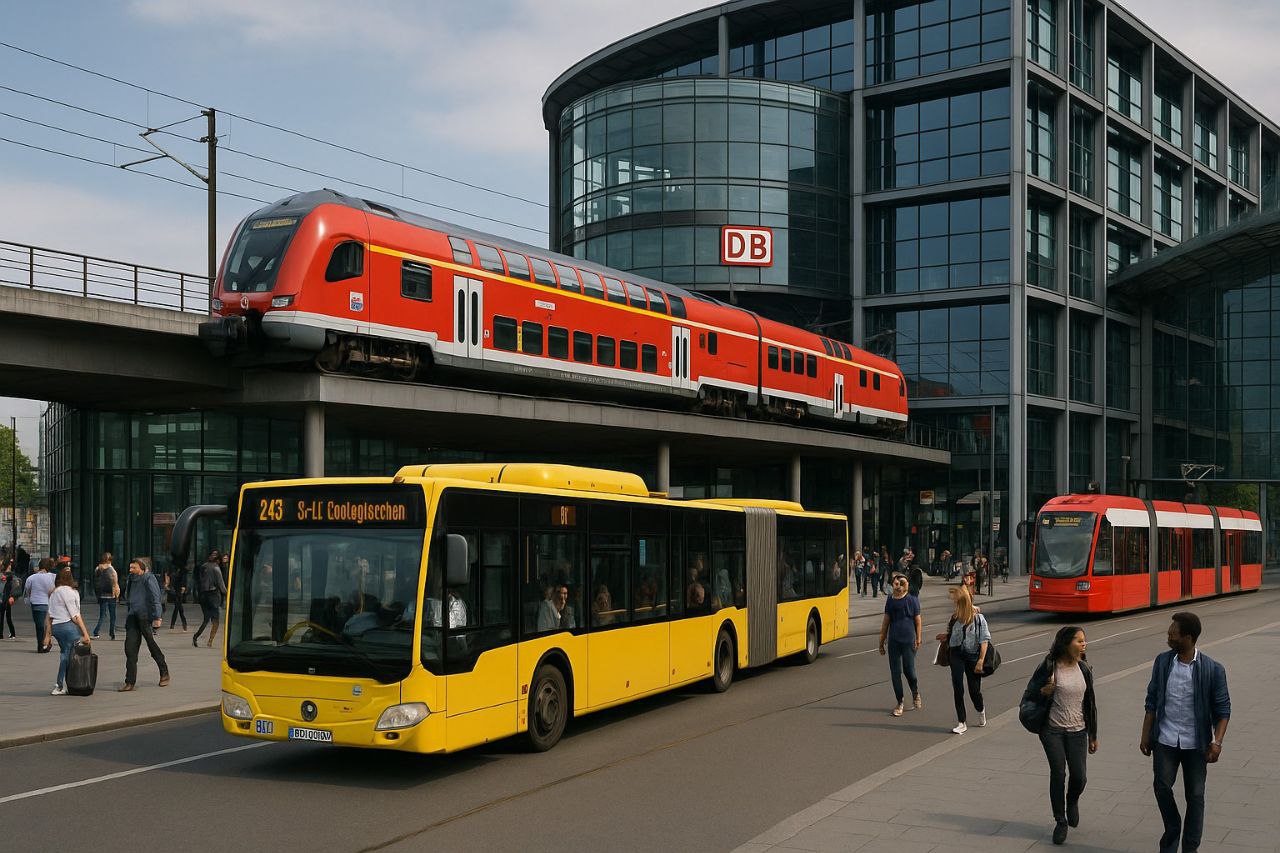
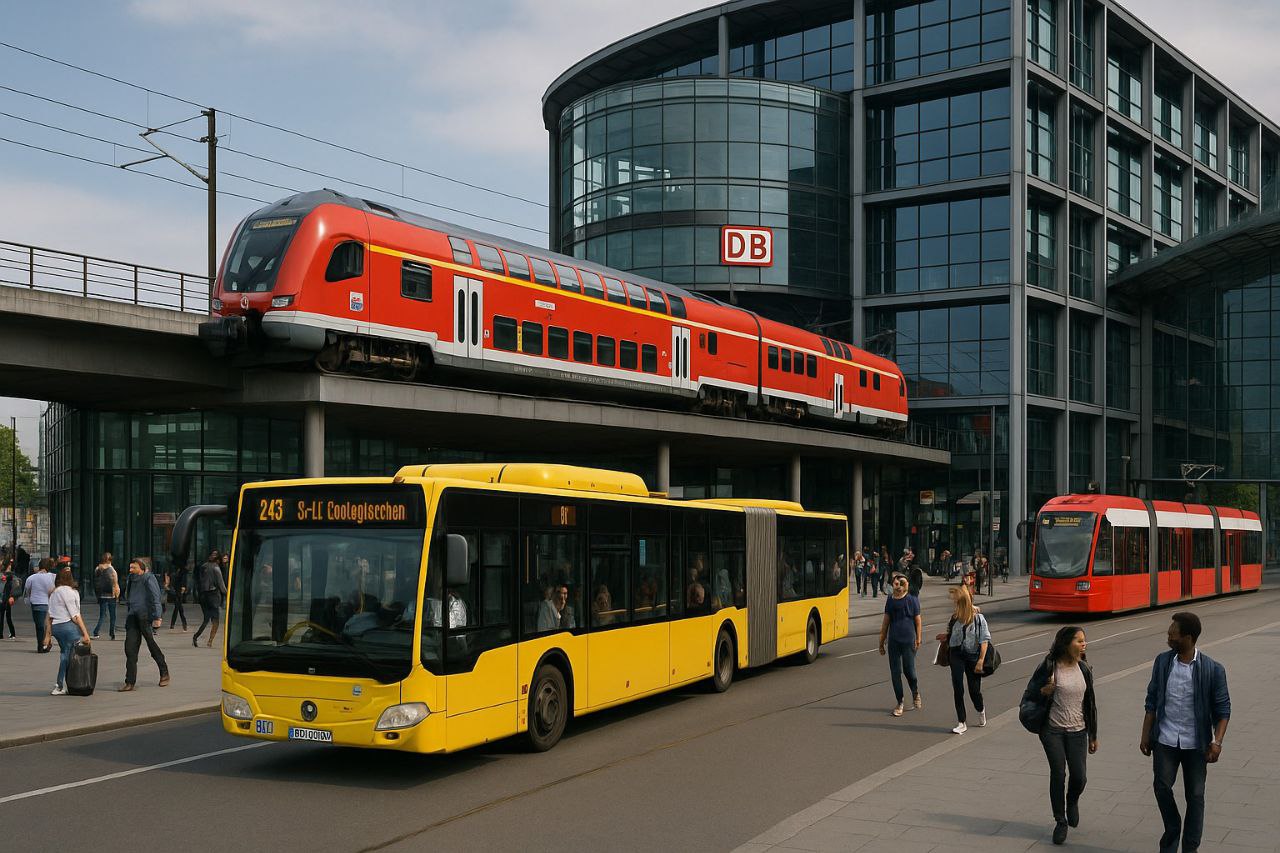
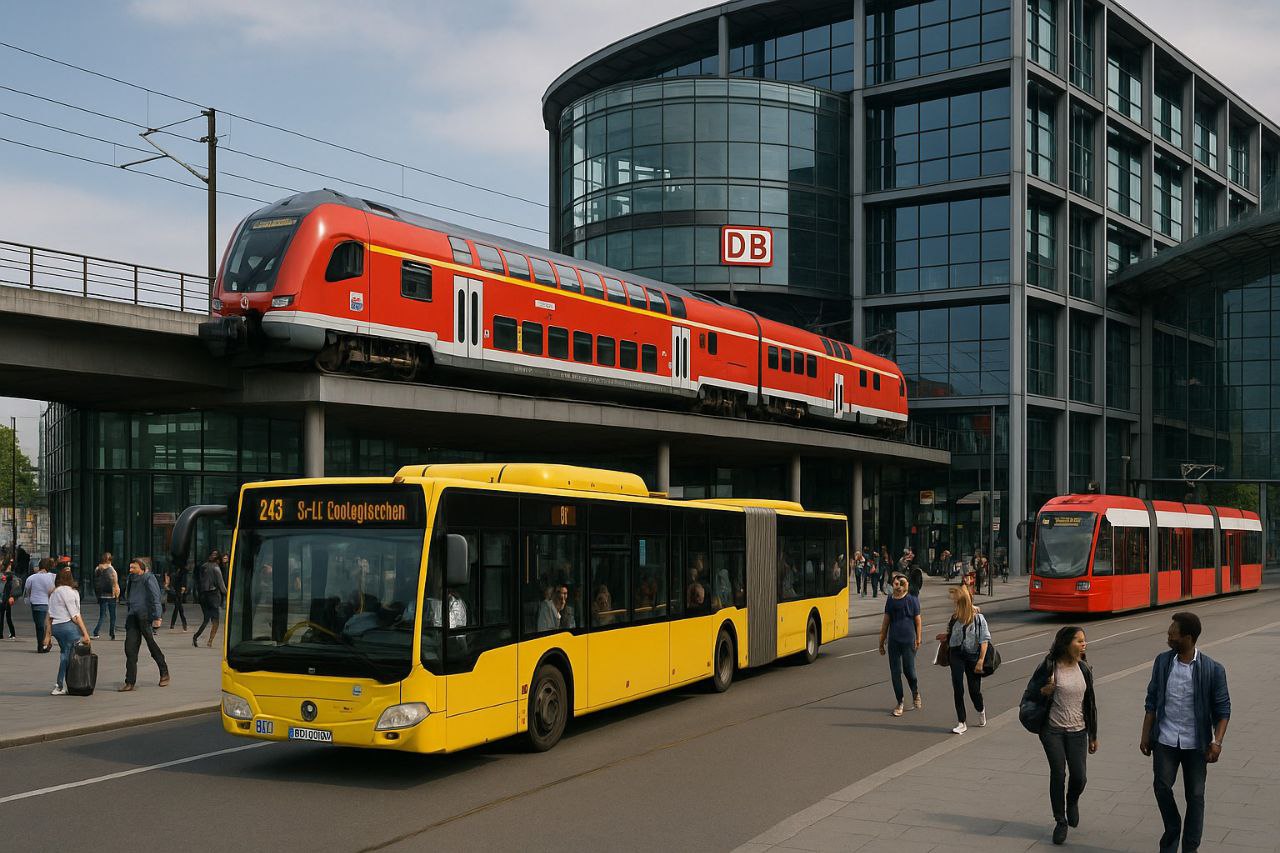
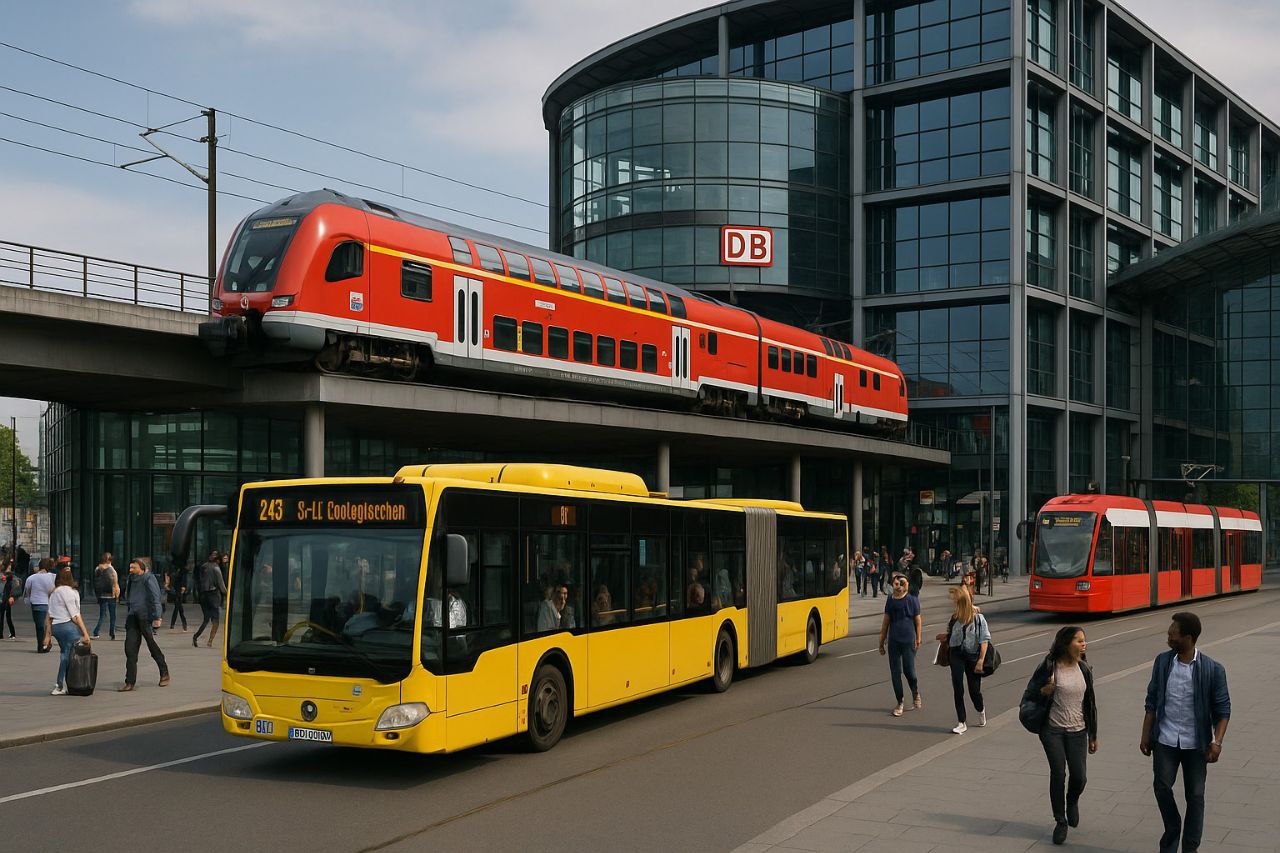
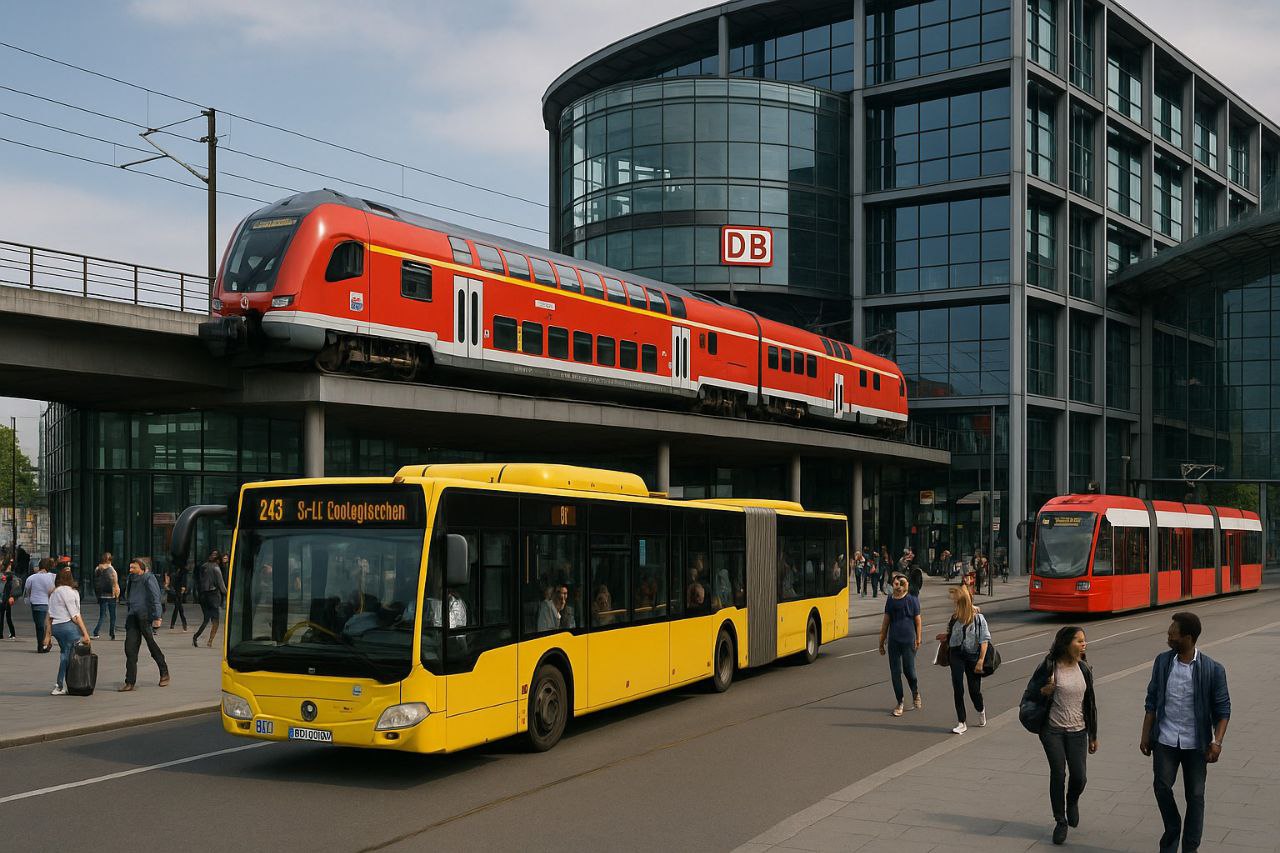
The Deutschlandticket in Germany: A Complete Guide for 2025
The Deutschlandticket is one of the most significant developments in Germany’s public transport sector in recent years. It was introduced to provide a comprehensive and flexible mobility option for residents and visitors throughout the country. As of 2025, the Deutschlandticket continues to attract great interest thanks to its economic and environmental benefits, as it allows users to access various forms of public transport (buses, regional trains, trams and underground trains) within a monthly subscription at a fixed price.
In this article, we shed light on all key aspects of the Deutschlandticket – from what it is and how to buy it, to its benefits and the most frequently asked questions.
What is the Deutschlandticket?
The Deutschlandticket, often referred to as the “Germany Ticket”, is a monthly subscription that allows its holder to use local and regional public transport across different federal states in Germany.
It was introduced after the success of the “9-euro ticket” in the summer of 2022 and initially came with a fixed monthly price (48–49 euros in most regions at launch). With the 2025 updates, the situation has changed slightly: as of January 2025, the price of the Deutschlandticket is 58 euros per month, but the overall subscription cost remains reasonable.
Why is the Deutschlandticket important in 2025?
An economical solution:
The Deutschlandticket helps students, employees and families save significantly on travel costs compared with buying separate daily or weekly tickets.
High flexibility:
It allows almost free movement between cities and federal states, making it much easier to access job opportunities, universities and leisure activities.
Supporting sustainability:
As more people switch from private cars to public transport, traffic congestion and carbon emissions can be reduced, which supports climate protection goals.
Encouraging domestic tourism:
By lowering the cost of travel, it becomes easier to explore different regions of Germany without feeling a heavy financial burden.
How to obtain the Deutschlandticket
Monthly subscription:
Most transport operators require users to sign up for a monthly subscription that renews automatically unless it is cancelled in due time.
How to purchase:
Online: You can buy the ticket via transport operators’ official websites or apps.
Service offices: Some companies offer direct sales at ticket counters in train stations or at mobility centres.
Payment methods:
In most cases, a German bank account is required so that the monthly fee can be collected via SEPA direct debit. However, some regions have started to introduce alternative electronic payment options to make the ticket more accessible for foreign residents and tourists.
Coverage of the Deutschlandticket
Regional public transport:
The ticket generally covers:
S-Bahn (suburban trains)
Regional trains (RE and RB)
Buses
Trams
Underground/metro systems
Exceptions:
The Deutschlandticket usually does not cover long-distance high-speed trains such as ICE, IC and EC. If you want to travel on long-distance services, you will need to buy an additional ticket.
Broad geographical validity:
Users can travel across almost all German federal states, provided the means of transport they are using is included in the Deutschlandticket scheme.
Cost of the Deutschlandticket and discounts
Base price:
As of January 2025, the standard price of the Deutschlandticket is 58 euros per month.
Discounts:
In some federal states, specific groups – such as students or trainees – may receive additional discounts. However, most students make use of their Semesterticket, which is often cheaper for them. If they need to travel beyond the area covered by their Semesterticket, they can purchase a separate Deutschlandticket.
Seasonal offers:
During special promotional campaigns, some companies provide reduced prices or extra benefits, such as waiving the registration fee for the first month.
Advantages of the Deutschlandticket for students and foreigners
Wider mobility:
For students who already have a Semesterticket, the Deutschlandticket can be used to travel beyond the boundaries of their regional student ticket.
Cultural experience:
Visitors and international students can discover different cities and landmarks throughout Germany more easily and at a lower cost.
Better access to jobs and training:
Flexible mobility increases the chances of finding internships, part-time jobs or training courses in neighbouring cities without incurring high travel costs.
Frequently asked questions (FAQ)
1. Can I cancel my subscription before the end of the month?
This depends on the conditions of the respective transport company. In general, many providers require that you give notice of cancellation before the end of the current month. The ticket will then remain valid until the end of the month you have already paid for and will not renew afterwards.
2. Can the Deutschlandticket be shared with someone else?
No. The Deutschlandticket is strictly personal and must not be used by another person. Violating this rule may result in fines or, in more serious cases, cancellation of the ticket.
3. What if I want to travel on long-distance trains?
In that case, you will need an additional ticket or an upgrade in order to use long-distance services such as ICE, IC or EC.
4. Are there any special rules for children or senior citizens?
Generally, children under the age of six travel free of charge on most public transport services. Senior citizens may benefit from specific support programmes or concessions, depending on the federal state or city. Conditions differ from region to region.
Tips to get the most out of the Deutschlandticket
Plan your journeys:
Use apps like DB Navigator or regional transport apps to check timetables and routes so you can plan your trips efficiently.
Monitor promotional offers:
Keep an eye on marketing campaigns and special promotions from transport companies that may make the monthly subscription cheaper or offer additional months at a reduced rate.
Explore new cities:
Take advantage of your flexibility by planning short trips on weekends or public holidays to discover Germany’s diverse landscapes and cities.
Carry ID with you:
Whether your Deutschlandticket is digital or on paper, always carry an official photo ID (ID card or passport) so that inspectors can verify that the ticket belongs to you.
Future outlook
It is expected that the Deutschlandticket will continue to be developed and adjusted in the coming years, particularly in terms of pricing and payment methods. Discussions are taking place about integrating additional benefits, such as partial coverage of long-distance trains or further discounts for specific social groups.
Because Germany aims to promote sustainable mobility and encourage wider use of public transport, future changes to the Deutschlandticket will likely focus on making the ticket even more attractive and expanding its use.
Conclusion
The Deutschlandticket is an appealing and flexible solution for everyday commuting or for exploring Germany, especially in light of the general shift towards environmentally friendly public transportation. In 2025, it continues to offer a range of benefits to students, employees and visitors alike.
Whether you are planning a long-term stay in Germany or a short visit to explore its cities, choosing the Deutschlandticket allows you to benefit from a modern, extensive public transport network at a predictable monthly cost.
We hope this information helps you decide on the best way to get around Germany using the Deutschlandticket. If you are looking to save money while enjoying flexible travel options across the country, this ticket is an excellent choice.
* The editorial and writing team of this website strives to provide accurate information based on thorough research and consultation of multiple sources. Nevertheless, errors or incomplete or not yet fully verified information may occur. Therefore, please treat the information in these articles as an initial point of reference and always contact the competent authorities and official bodies for binding and up-to-date information.