Everything you need to know about Kindergeld and its annual increase
What is Kindergeld and why is it paid?
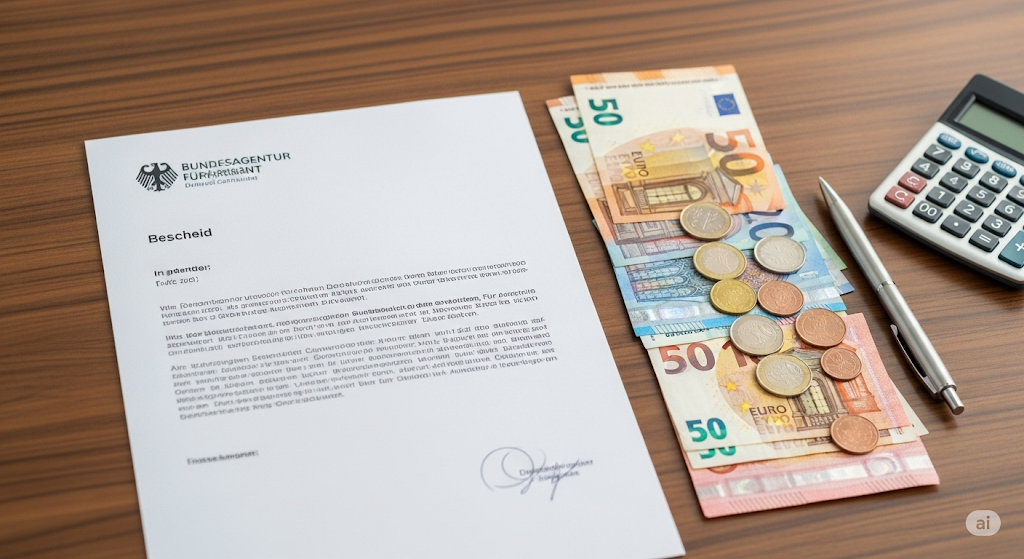
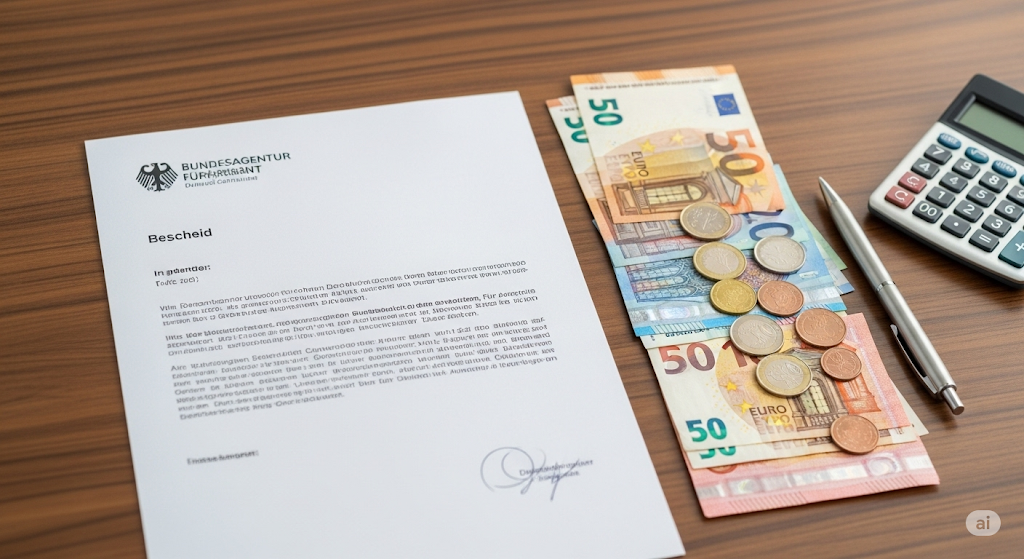
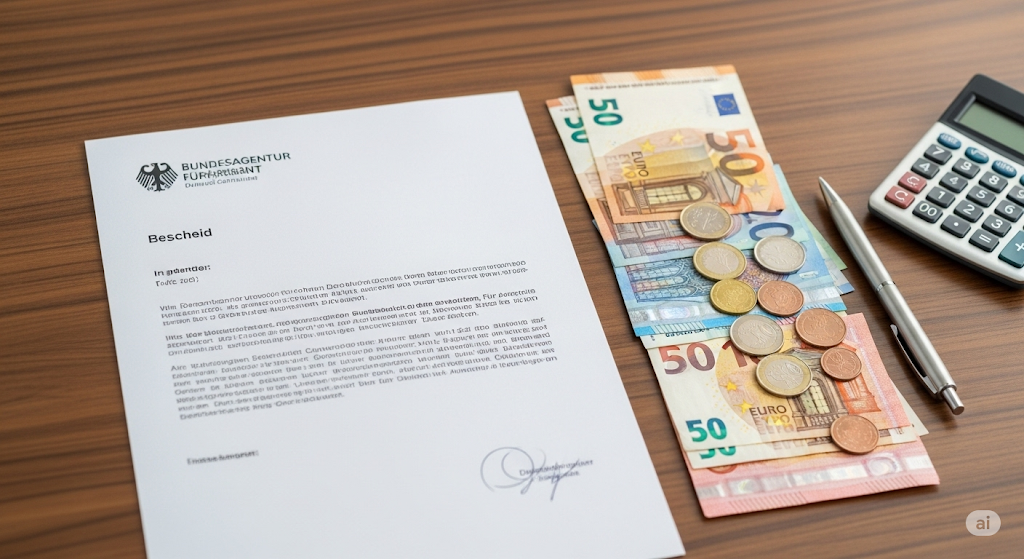
Kindergeld is a monthly family benefit paid by the Familienkasse of the Federal Employment Agency in Germany. Its purpose is to cover part of the basic expenses for children – such as food, education and health – regardless of the family’s income level (de.wikipedia.org).
How much is Kindergeld in 2025?
Since 1 January 2025, Kindergeld amounts to 255 Euro per month per child, an increase of 5 Euro compared to 2024 (arbeitsagentur.de).
There is no need to file a new application; families who are already entitled receive the increase automatically.
Upcoming increases
Another increase is planned: as of 1 January 2026, the benefit is expected to rise to 259 Euro per child.
Overview of family benefits
1 child: 255 €
2 children: 510 €
3 children: 765 €
4 children: 1,020 €
and so on depending on the number of children (finanz.de, wa.de, welt.de, arbeitsagentur.de).
Additional support for low-income families (Sofortzuschlag)
Families receiving social benefits can also obtain an increase of 5 Euro, so that the Sofortzuschlag rises to 25 Euro per month and child from 2025 onwards.
In total, the maximum possible supplement via the child supplement (KiZ) can reach 297 Euro per month per child (arbeitsagentur.de).
Who is entitled to Kindergeld?
Children living in Germany with a legal residence status, regardless of their nationality.
The benefit is usually paid to the mother or father, or to any person who actually cares for and supports the child.
Kindergeld is normally paid until the age of 18, but can be extended up to 21 or 25 depending on whether the child is still in school, vocational training or higher education (de.wikipedia.org).
Kindergeld and tax allowance (Kinderfreibetrag)
There is also a tax-free child allowance (Kinderfreibetrag). In 2025, it corresponds to 6,648 Euro per child (de.wikipedia.org).
The tax office automatically compares Kindergeld and the tax allowance and applies whichever is more favourable for the family.
Regular payment dates
Payments are made on specific days depending on the last digits of the family benefit number.
Most families receive Kindergeld around the 20th, 21st or 22nd of the month.
Why do annual increases continue?
To keep up with the rising cost of living for families and to reduce the gap between income and inflation.
As part of social relief packages adopted by the German parliament and governing coalition in 2024/2025.
Practical tips
Make sure your data with Familienkasse (address, bank details, family status) are always up to date.
Pay attention to the monthly payment dates, especially if you change your bank account.
Keep an eye on annual legal changes affecting Kindergeld, child supplements and tax allowances.
If you do not receive Kindergeld despite meeting the requirements, contact the responsible Familienkasse or seek help from a social or legal advisor.
Conclusion
The German system provides families with a stable monthly benefit through Kindergeld, complemented by tax relief and targeted supplements for low-income households. Regular increases linked to inflation and social needs aim to strengthen families financially, support children’s well-being and contribute to greater social fairness.
The editorial team of this website strives to provide accurate information based on thorough research and multiple sources. Nevertheless, errors cannot be completely ruled out and some details may be uncertain or subject to change. Therefore, the contents of this article should be regarded as an initial guide; for binding and up-to-date information, please always consult the competent authorities and specialised professionals.