

 تسجيل الدخول / إنشاء حساب


المستحيلات الأربعة: حكم البلاد والتفرد بالسلطة في ألمانيا
مقدمة
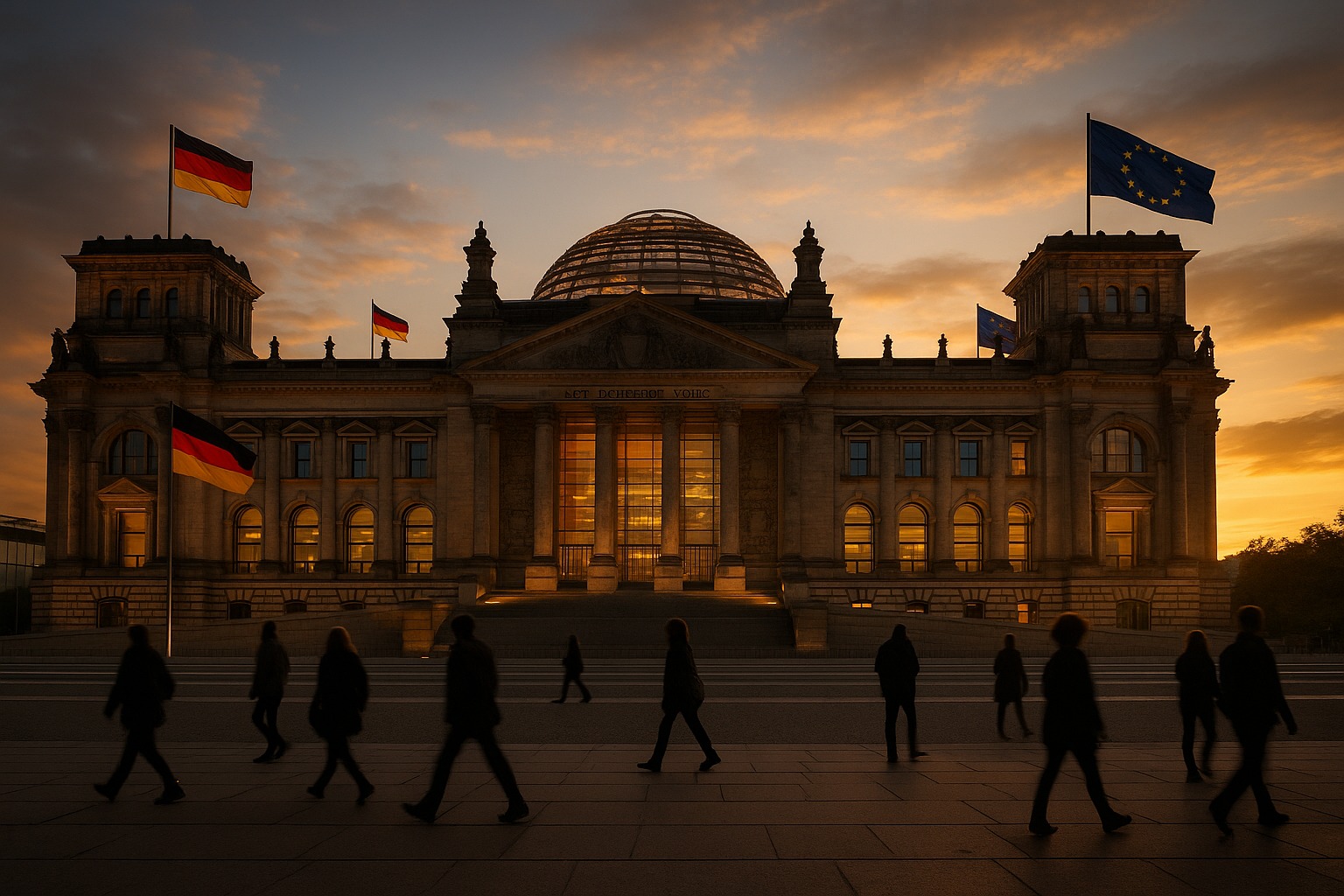
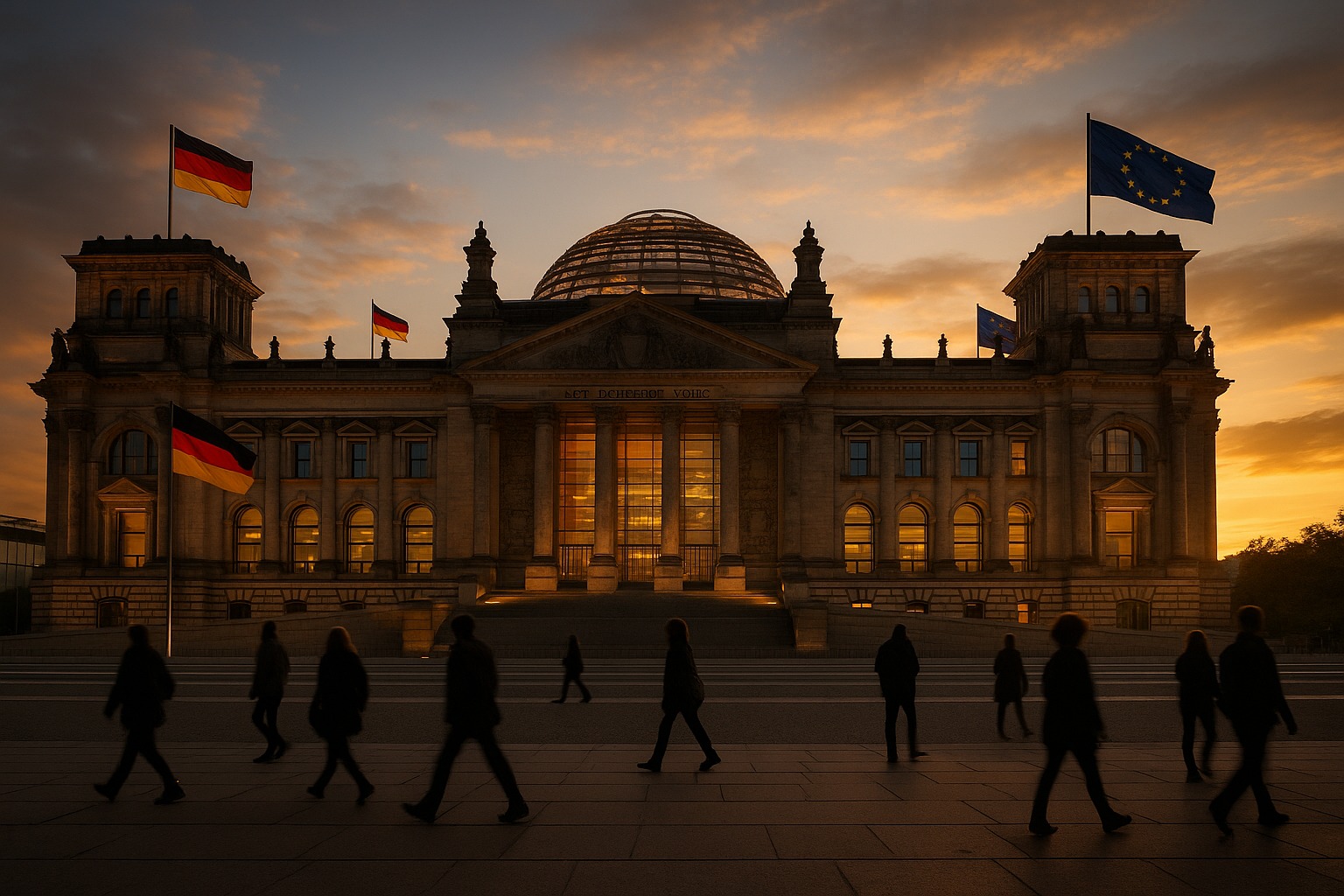
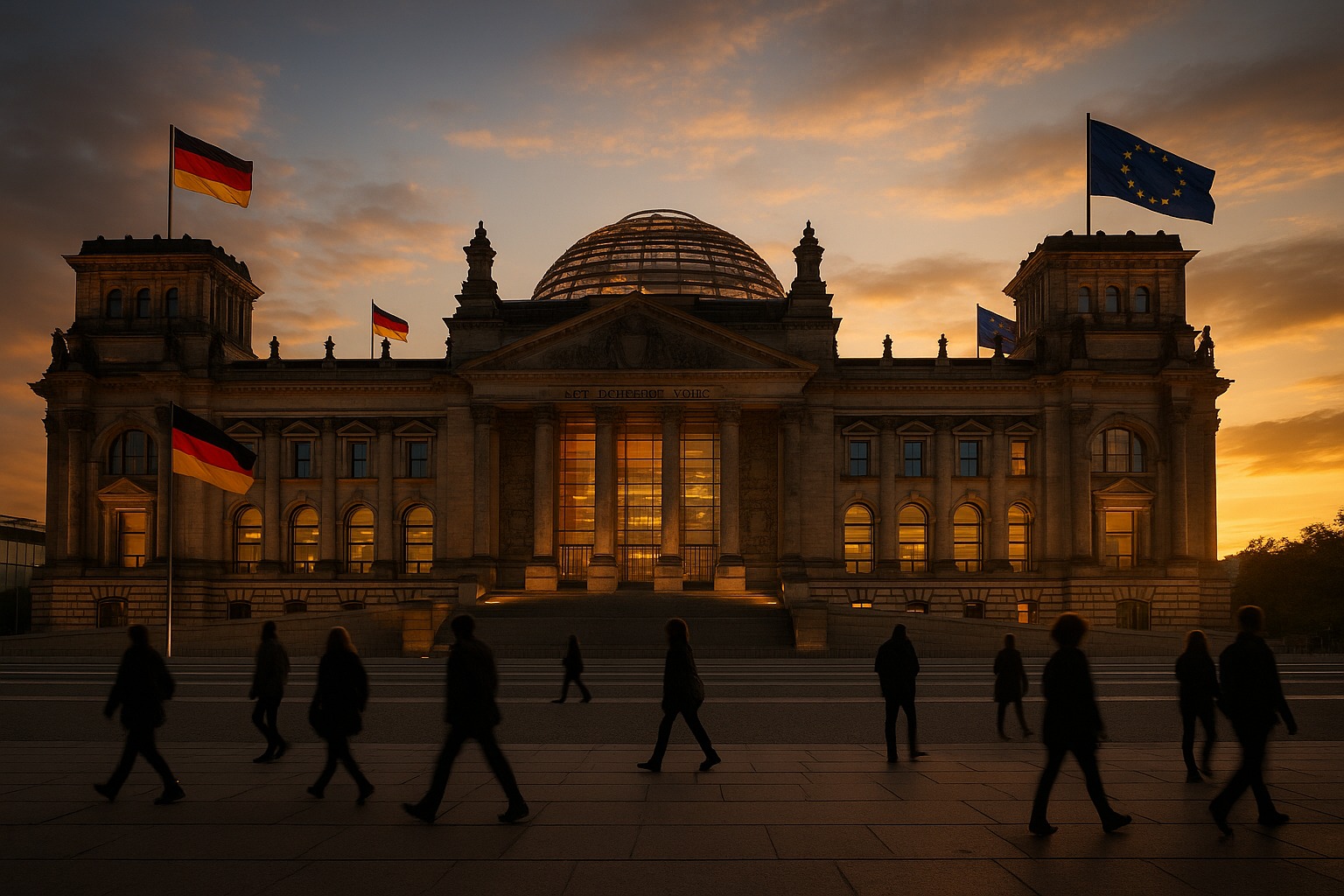
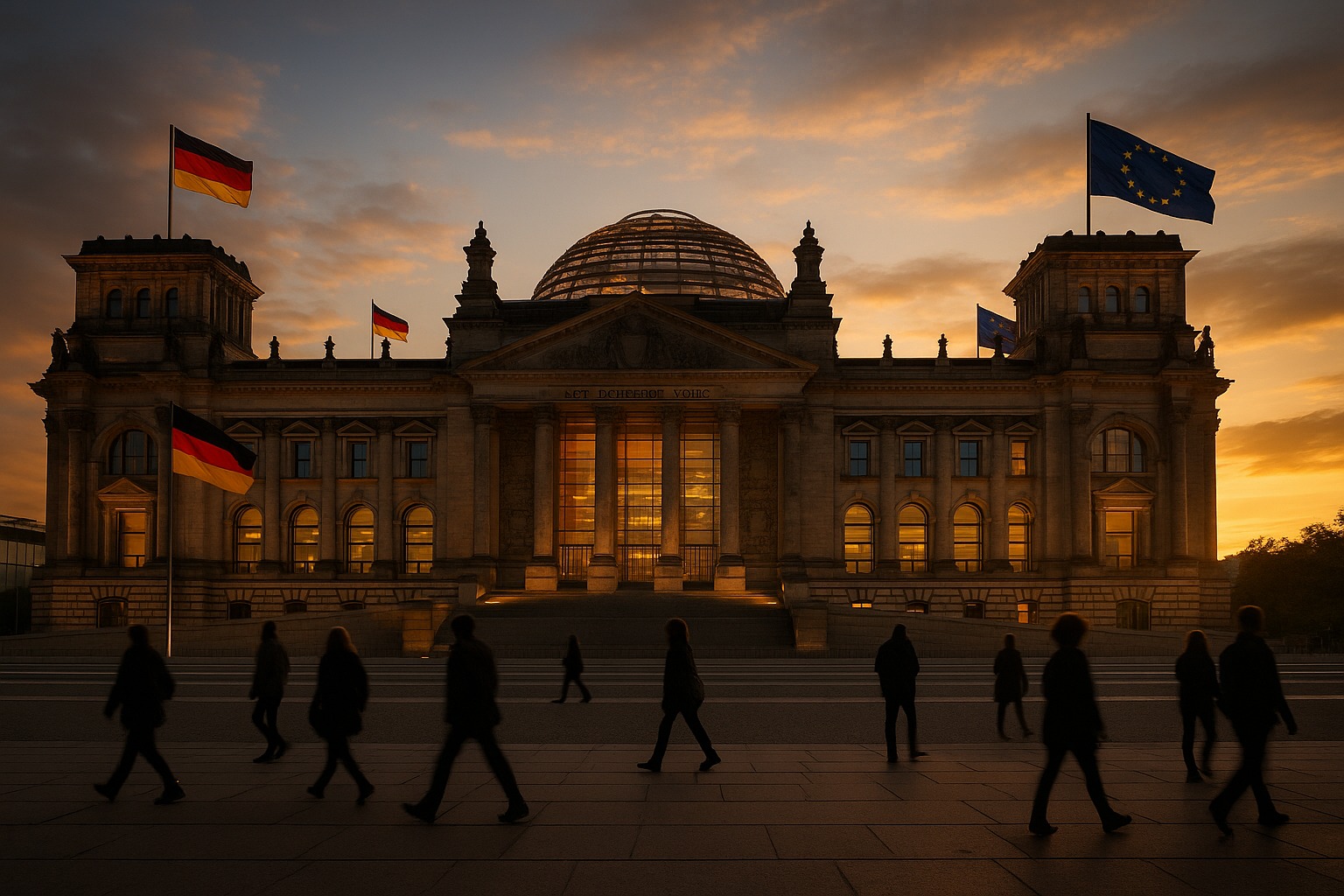
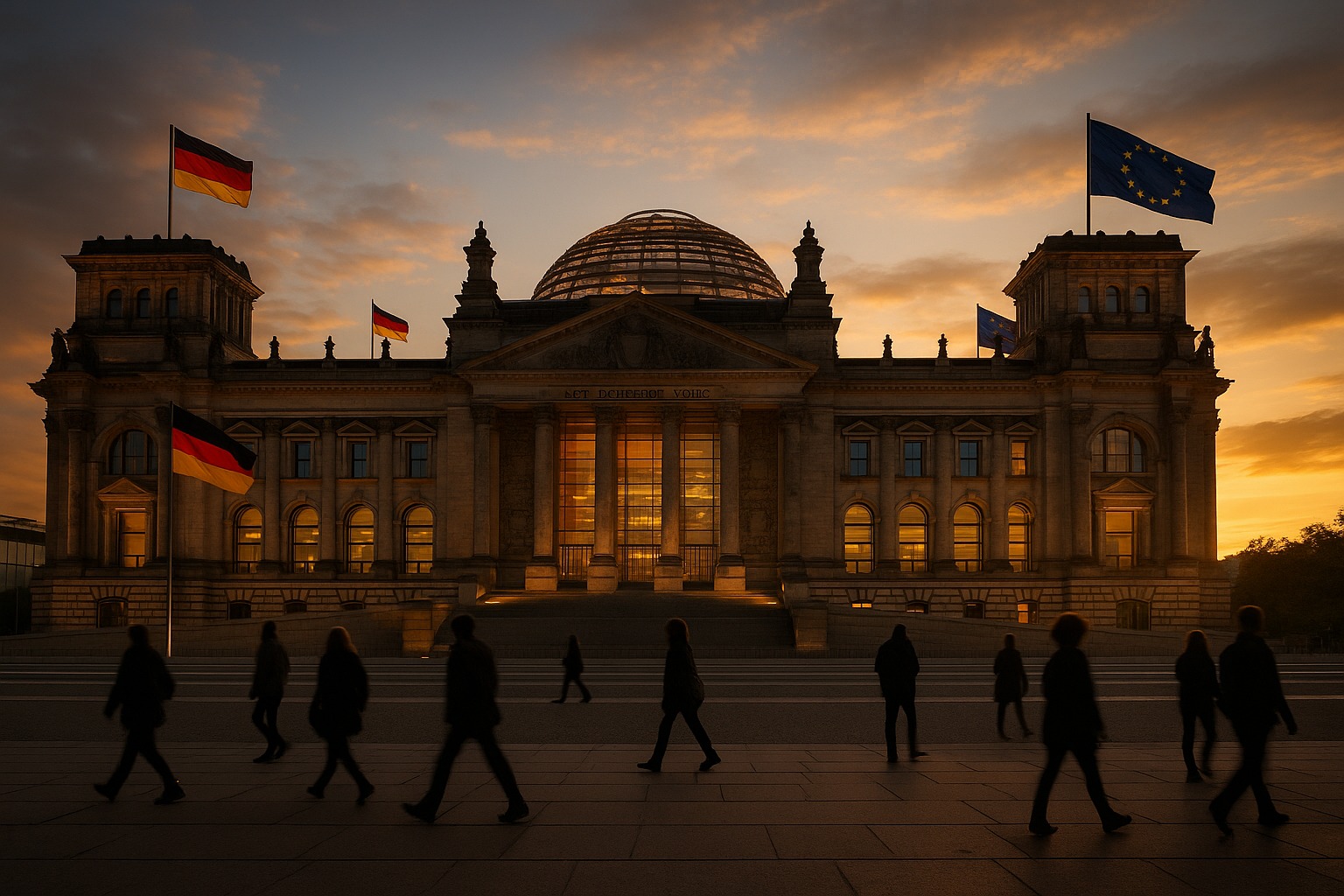
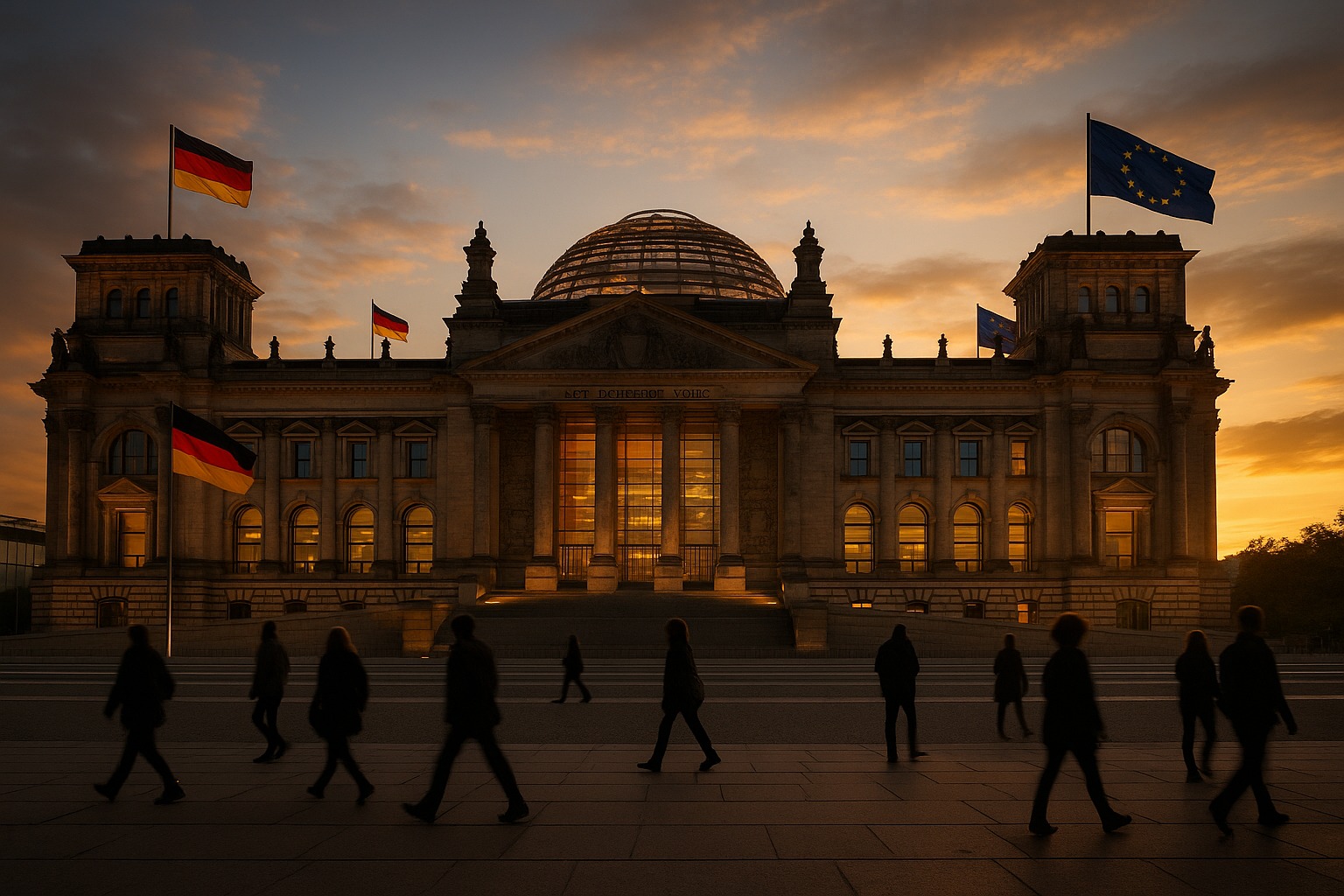
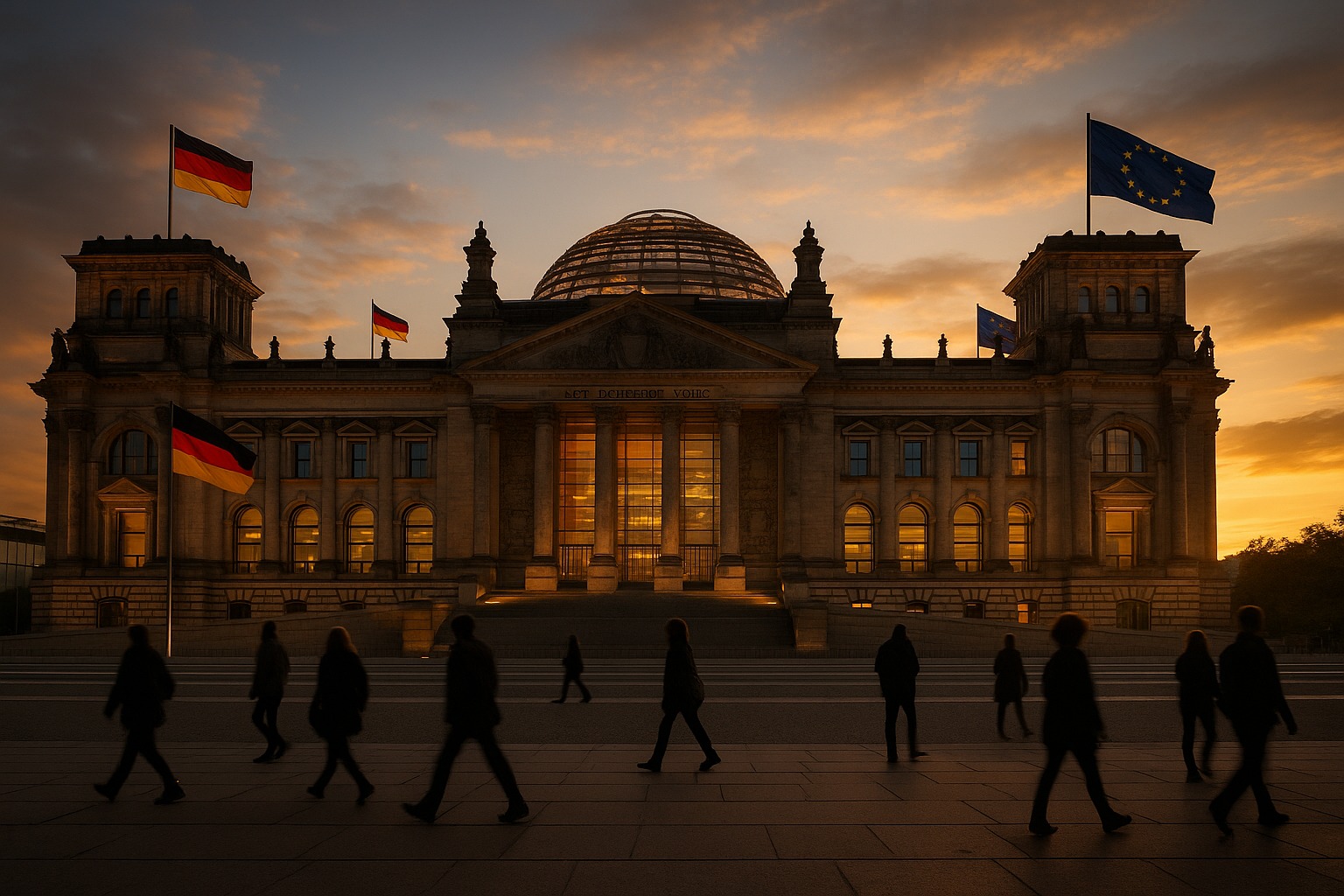
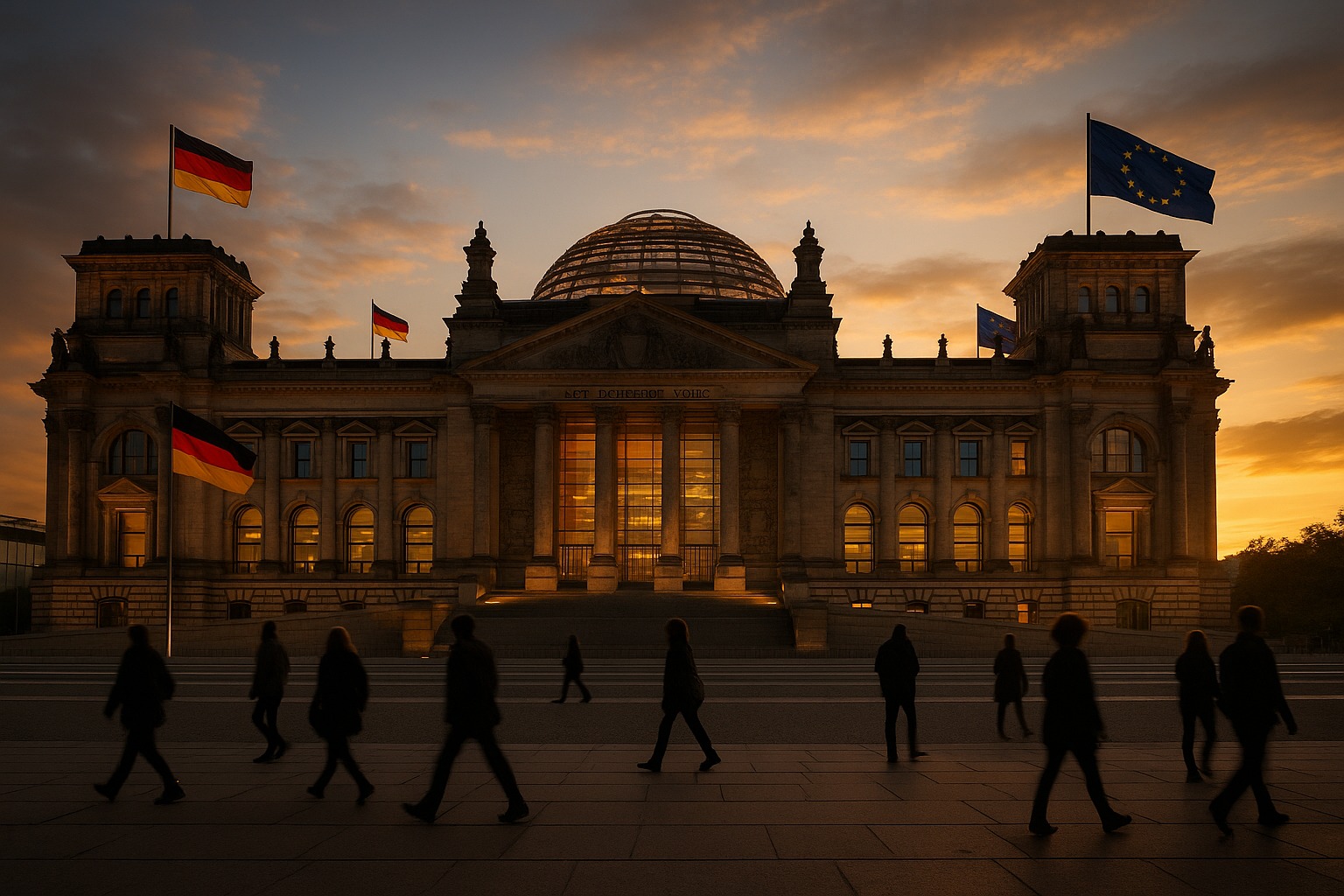
في النظام السياسي الألماني، يعتبر حكم البلاد من قبل حزب واحد أو فرد واحد أمرًا مستحيلًا بسبب عدة عوامل معقدة تعزز من التوازن الديموقراطي وتفادي الاستبداد. إليك تفاصيل حول الأسباب التي تجعل التفرد بالسلطة في ألمانيا شبه مستحيل:
1. النظام البرلماني
تتبع ألمانيا نظامًا برلمانيًا (Parlamentarisches System) حيث تُنتخب الحكومة من قبل البرلمان، المعروف باسم البوندستاغ (Bundestag). تُجرى الانتخابات كل أربع سنوات، ويكون للناخبين الحق في التصويت، مما يمنحهم القدرة على اختيار ممثليهم بشكل ديمقراطي. هذا النظام يقلل من إمكانية حكم البلاد من قبل فرد واحد أو حزب واحد.
2. تشكيل الائتلافات
من خلال القانون الانتخابي الألماني (Wahlrecht)، يصعب على حزب واحد الحصول على أغلبية مطلقة، مما يجعل تشكيل الائتلاف الحكومي (Koalitionsregierung) هو القاعدة. عادةً ما يحتاج الحزب الفائز إلى التعاون مع أحزاب أخرى لتشكيل حكومة فعالة. هذا التعاون يعزز من التنوع السياسي ويمنع أي حزب من الهيمنة بشكل كامل.
3. قاعدة “عتبة 5%”
هناك قاعدة في القانون الانتخابي تعرف باسم “عتبة 5%” (Sperrklausel) تمنع الأحزاب الصغيرة من دخول البوندستاغ إذا لم تتجاوز هذه النسبة من الأصوات. هذه القاعدة تهدف إلى تقليل عدد الأحزاب في البرلمان وتسهيل تشكيل الائتلافات، لكن في الوقت نفسه، تمنع الأحزاب الصغيرة من الحصول على تمثيل كبير، مما يساهم في استقرار الحكومة.
4. وجود قوى معارضة
هناك قوى سياسية معارضة (Opposition) قوية تشارك في البرلمان، حيث تكون مسؤولة عن مراقبة الحكومة ومحاسبتها. هذه الأحزاب تعبر عن وجهات نظر متنوعة وتعزز النقاش السياسي، مما يحد من قدرة أي حزب على التحكم بشكل كامل في القرارات الحكومية.
الخاتمة
بناءً على هذه العناصر، نجد أن حكم البلاد بيد فرد واحد أو حزب واحد يعد شبه مستحيل. النظام الانتخابي الألماني مصمم بشكل يضمن عدم تركيز السلطة، مما يدعم التعددية السياسية ويعزز الديمقراطية. هذا الأمر يجعل ألمانيا نموذجًا يحتذى به في كيفية إدارة السلطة والتوازن بين مختلف القوى السياسية.
------------------------------------------------------------------------------------
ـ* يحرص فريق الكتاب والمحررين في موقع على تقديم معلومات دقيقة من خلال بحث مكثف واطلاع على عدة مصادر عند كتابة المقالات، ومع ذلك قد تظهر بعض الأخطاء أو ترد معلومات غير مؤكدة. لذلك، يُرجى اعتبار المعلومات الواردة في المقالات مرجعية أولية والرجوع دائماً إلى الجهات المختصة للحصول على المعلومات المؤكدة.